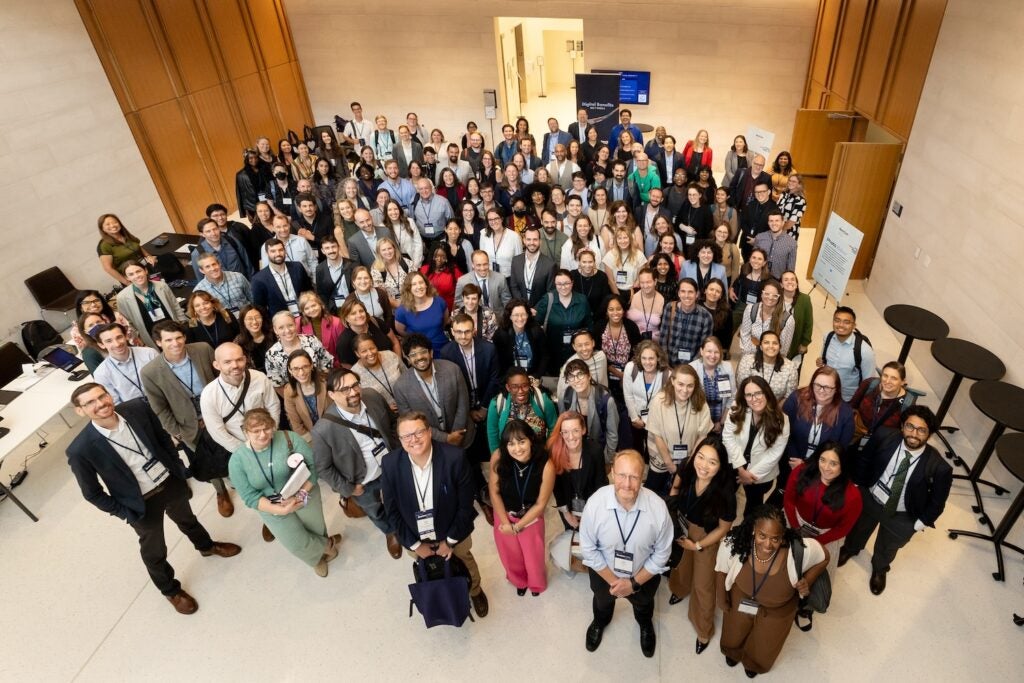
A recap of the two-day conference focused on charting the course to excellence in digital benefits delivery hosted at Georgetown University and online.
Our existing maze of family tax benefits — including the CTC, Earned Income Tax Credit (EITC), Child and Dependent Care Tax Credit (CDCTC), and head of household (HoH) filing status — has several structural deficiencies that make overhauling the system a prerequisite for any effort to boost support for families with children. The report offers several options for expanding and streamlining family tax benefits to address these issues.
This report highlights key findings from the Rules as Code Community of Practice, including practitioners' challenges with complex policies, their desire to share knowledge and resources, the need for increased training and support, and a collective interest in developing open standards and a shared code library.
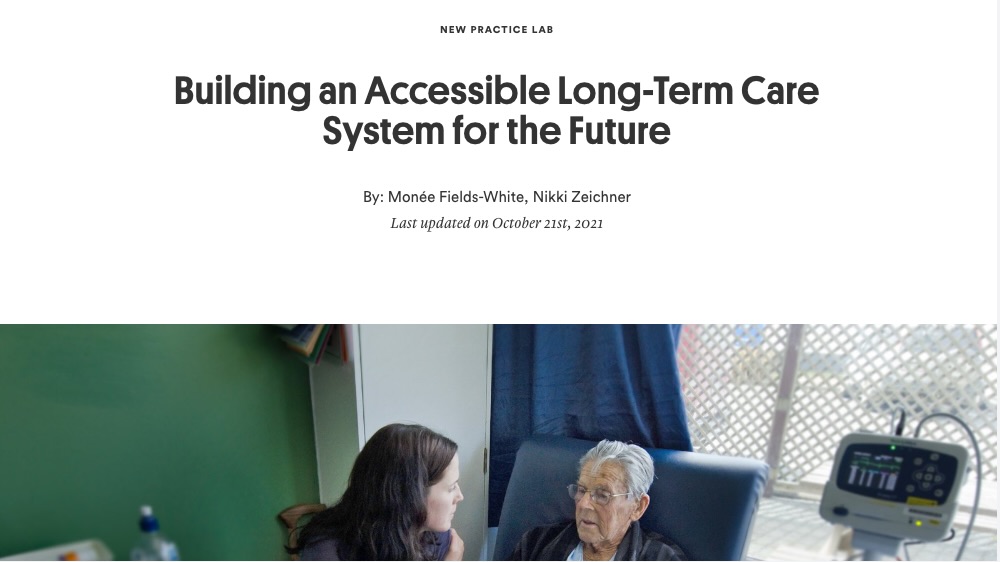
The nation’s long-term care system has struggled for many years, and those constraints are expected to deepen as our nation ages. In 2019, Washington State became the first in the United States to pass legislation that would enable a public state-operated long-term care insurance program, the Washington Cares Fund. We conducted research with the goal to identify concrete ways for Washington State to implement this fund so that it is accessible to all and it supports living-wage jobs for care workers. In this report, we discuss our research methods, we present personas of individuals seeking long-term supports and services from the Washington Cares Fund, and we offer a list of recommendations that, while intended for Washington State, we see as applicable to other states that will embark on offering similar long-term services to residents.
This report explores how state and local agencies can enhance customer service in health and human services by implementing technologies such as web-based tools, mobile applications, and call center innovations, aiming to streamline processes and improve client interactions.
The report discusses how state Medicaid agencies can utilize Supplemental Nutrition Assistance Program (SNAP) data to streamline the Medicaid renewal process, thereby maintaining coverage for eligible beneficiaries.
In this brief, APHSA outlines its commitment to addressing the causes of structural inequities by first illuminating structural root causes of race inequity within the context of human services. The brief outlines approaches to doing the intentional and systematic work that is required to counteract the structural barriers human services systems have fostered.
American Public Human Services Association (APHSA)
The exclusion of agricultural and domestic workers—predominantly African Americans—from the 1935 Social Security Act's unemployment insurance program is analyzed as a result of international policy diffusion rather than solely domestic racial politics.
The Technology Transformation Service at GSA recently created a new Public Benefits Studio to focus on fostering a more cohesive, coordinated experience for the public, across programs.