This toolkit offers strategies for advocates and state agencies to enhance the efficiency of eligibility verification processes for Medicaid and SNAP, aiming to reduce administrative burdens and improve access to benefits.
This research summary presents findings from a randomized controlled trial demonstrating how mRelief’s simplified SNAP application significantly increases application rates among eligible individuals.
This U.S. Department of Labor (DOL) strategy outlines a roadmap for modernizing the Unemployment Insurance (UI) system to enhance efficiency, equity, and access for workers.
This resource provides an overview of the Supplemental Nutrition Assistance Program Employment & Training (SNAP E&T) program, highlighting state implementation strategies, funding mechanisms, and policy opportunities to strengthen workforce participation among SNAP recipients.
American Public Human Services Association (APHSA)
This Urban Institute article argues that poverty is driven by structural barriers rather than individual choices and advocates for safety net programs that address systemic inequities.
Our existing maze of family tax benefits — including the CTC, Earned Income Tax Credit (EITC), Child and Dependent Care Tax Credit (CDCTC), and head of household (HoH) filing status — has several structural deficiencies that make overhauling the system a prerequisite for any effort to boost support for families with children. The report offers several options for expanding and streamlining family tax benefits to address these issues.
Initially created to inform federal staff at the U.S. Department of Health and Human Services, this tool describes how to conduct intensive equity assessments of existing programs, policies, and processes. It may be useful for state and local governments, tribal governments, and other private or non-profit organizations focused on programs and policies relating to health and human services.
Office of the Assistant Secretary for Planning and Evaluation (ASPE)
This toolkit offers strategies and tools to help agencies build the culture and infrastructure needed to apply data analysis routinely, effectively, and accurately – referred to in this publication as “sustainable data use.”
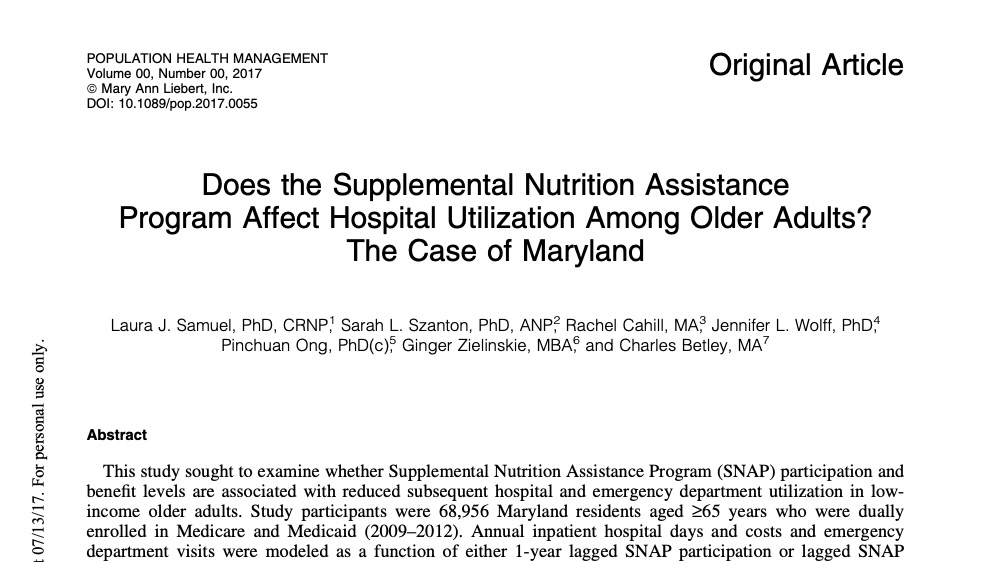
Accounting for the strong effects of health care access, this study finds that SNAP is associated with reduced hospitalization in dually eligible older adults. Policies to increase SNAP participation and benefit amounts in eligible older adults may reduce hospitalizations and health care costs for older dual eligible adults living in the community.
This study examines how bureaucratic interactions differ among public assistance programs—WIC, SNAP, and Medicaid—highlighting variations in participant experiences and the psychological costs associated with each.
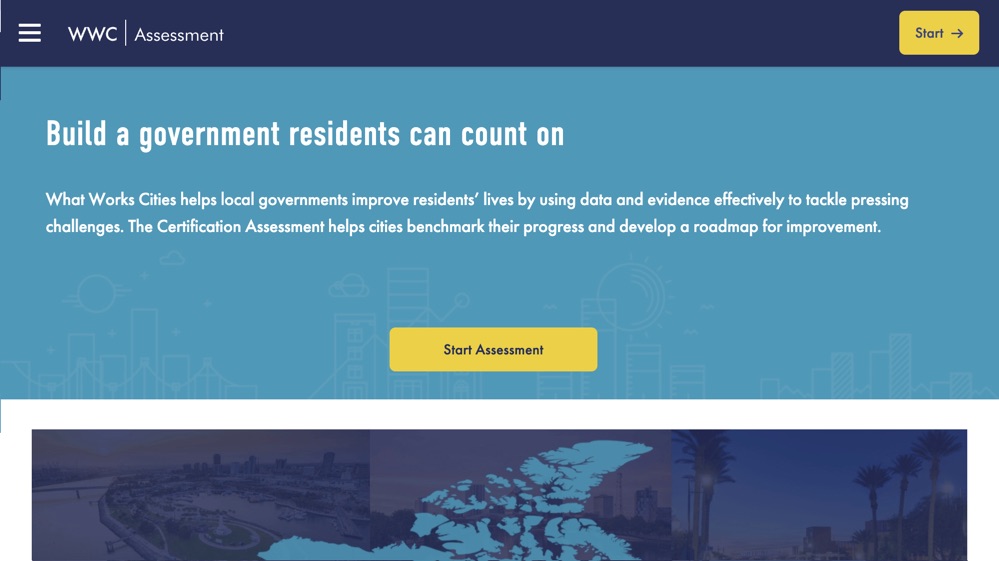
What Works Cities helps local governments improve residents’ lives by using data and evidence effectively to tackle pressing challenges. The Certification Assessment helps cities benchmark their progress and develop a roadmap for improvement.