An event recap from one of FormFest 2024's breakout sessions featuring speakers from the Canadian Digital Service and the National Head Start Association.
This brief provides research recommendations to improve programs serving LGBT youth, focusing on homelessness and sexual health education services funded by the U.S. Department of Health and Human Services.
U.S. Department of Health and Human Services (HHS)
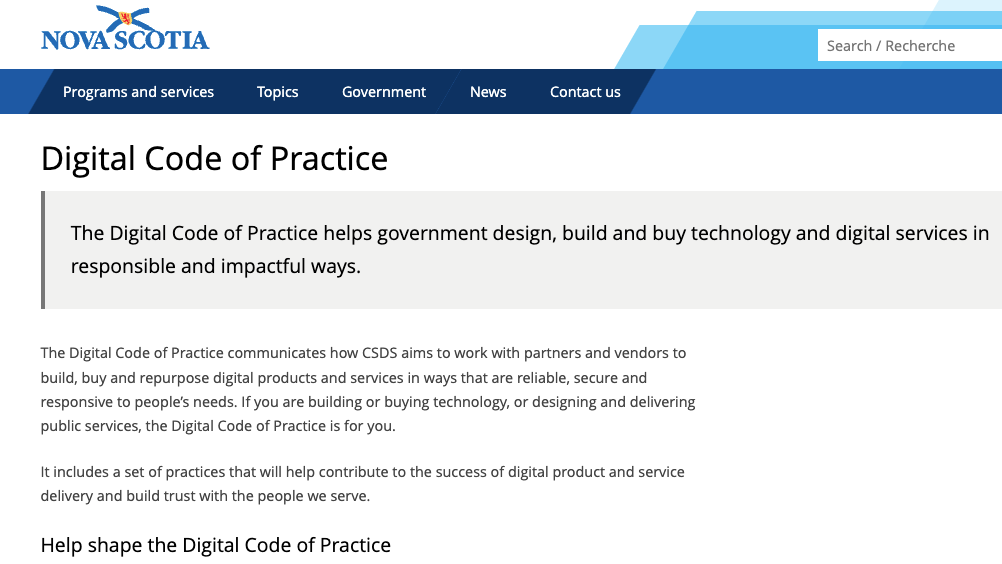
A guiding framework for designing, building, buying, and maintaining digital government services in Nova Scotia that emphasizes trust, inclusivity, sustainability, and public value.
This article highlights how state unemployment insurance (UI) agencies are leveraging data to modernize systems and enhance access for unemployed workers.
An evaluation of the impact of the USDA’s FFRCA waivers on the WIC program during the COVID-19 pandemic, focusing on how temporary flexibilities such as remote certification and relaxed physical presence requirements affected participant access, program operations, and staff capacity.
The ubiquity of mobile devices makes it imperative to build “mobile first” services, i.e. services built with the expectation that they will primarily be accessed on mobile devices. This article also outlines important considerations and suggestions for implementing mobile-first user interfaces.
mRelief recently completed a research study to investigate whether there are specific parts of the Supplemental Nutrition Assistance Program (SNAP; also known as food stamps) benefits application process that make it difficult to complete. We conducted interviews with mRelief users and SNAP outreach workers (individuals whose job responsibilities include providing SNAP application assistance in person or over the phone) in Illinois. We also conducted group interviews with SNAP outreach workers to collaborate with them to uncover findings and develop recommendations.
Initially created for and shared with staff at the Administration for Children and Families, this webinar provides an introduction to Universal Design, covering plain language, accessibility, user research, and Agile development.