This playbook is designed to help government and other key sectors use data sharing to illuminate who is not accessing benefits, connect under-enrolled populations to vital assistance, and make the benefits system more efficient for agencies and participants alike.
Hennepin County, Minnesota, implemented an online application system for child care assistance, resulting in increased applications, faster benefit distribution, and reduced administrative burdens.
This article from Civil Eats explores how expanding online purchasing options for SNAP recipients can improve food security, especially in the wake of the COVID-19 pandemic.
County workers typically spend most of their time trying to get income information right during eligibility interviews. This article provides several recommendations for asking about income, accounting for cognitive biases, under-reporting, and complexities in reporting income.
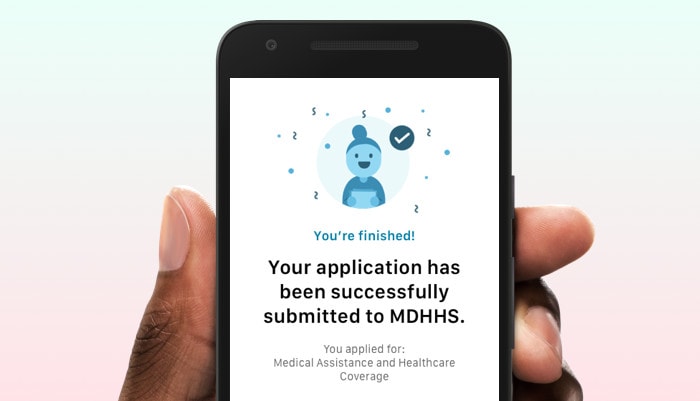
The ubiquity of mobile devices makes it imperative to build “mobile first” services, i.e. services built with the expectation that they will primarily be accessed on mobile devices. This article also outlines important considerations and suggestions for implementing mobile-first user interfaces.
This foundational article develops the concept of administrative burden, defining it as the learning, psychological, and compliance costs individuals face when interacting with government, and argues that these burdens are often shaped by political choices.
Journal of Public Administration Research and Theory
This article discusses how Code for America enhanced the CalFresh application process to better assist self-employed individuals in accessing their full benefits by clarifying self-employment definitions and simplifying income verification.
Chapin Hall collaborated with national policy experts, practitioners, and young adults with lived experience of homelessness to create a policy toolkit where tax, public benefits, and educational aid implications for young people participating in Direct Cash Transfer (DCT) programs are laid out in one place.
Through the ACCESS project, key collaborators have shared insights into current and future opportunities for alignment within their agencies, including potential enablers for and barriers to alignment activities.
American Public Human Services Association (APHSA)