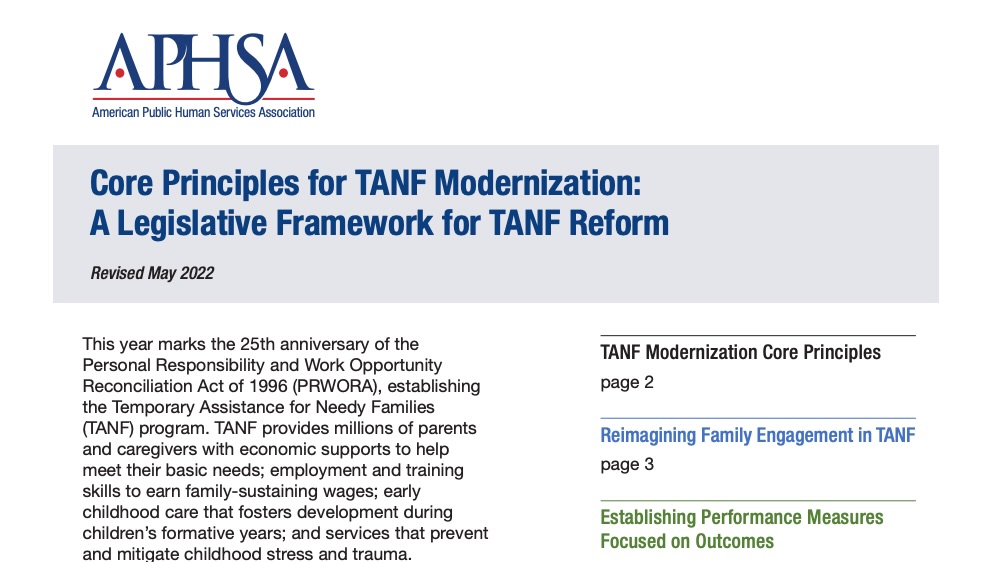
Working with TANF administrators and human services leaders across the country, the American Public Human Services Association (APHSA) embraces the call to reimagine how TANF can work in support of the families it serves and has established a set of TANF Modernization Core Principles to guide our vision for the future of TANF. Grounded in these Core Principles, APHSA’s members have laid out a legislative framework to unlock the potential of TANF. We call upon Congress to use this framework as a starting point to build common ground to achieve a TANF reauthorization that promotes a more equitable and prosperous future for all Americans.
American Public Human Services Association (APHSA)
A public event that explored workers’ real-world experiences with unemployment insurance systems, focusing on barriers, inequities, and policy insights from their perspectives.
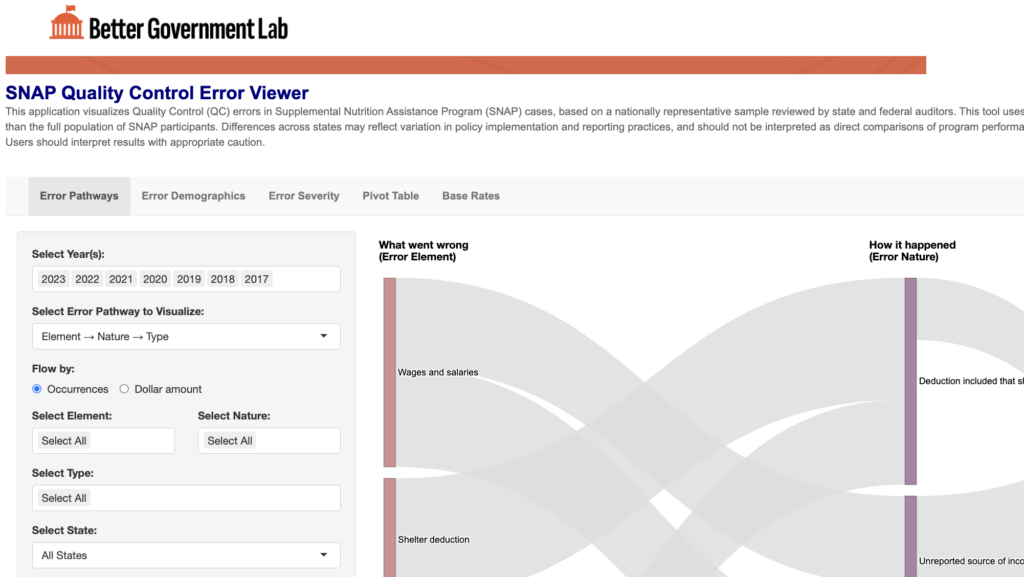
An interactive dashboard that allows users to explore Supplemental Nutrition Assistance Program (SNAP) Quality Control data to better understand payment errors, eligibility issues, and administrative performance across states.
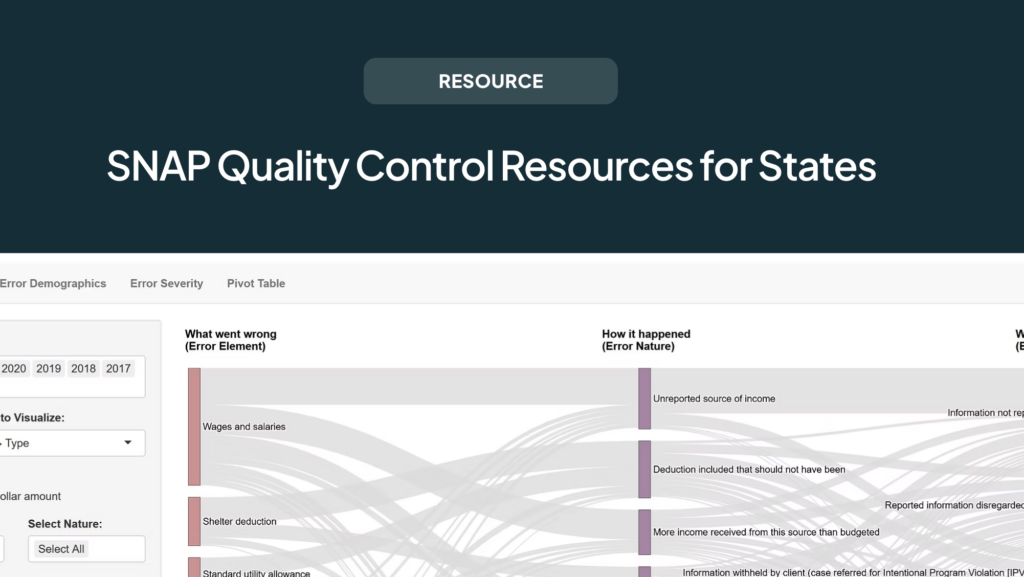
A blog introducing an interactive viewer that helps users explore SNAP Quality Control error data to better understand payment accuracy trends and administrative challenges across states.
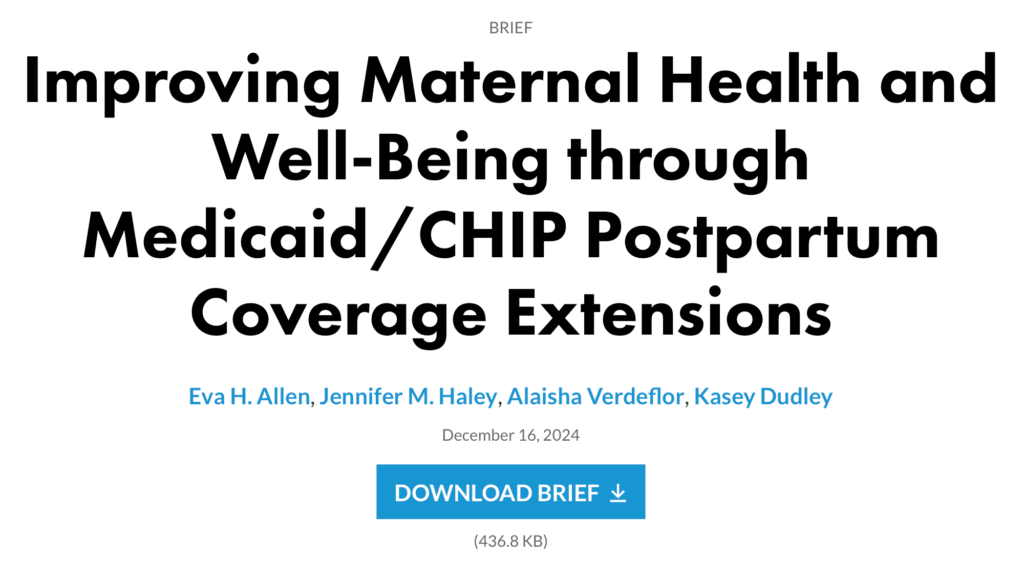
This policy brief outlines how extending postpartum Medicaid and CHIP coverage can improve maternal health outcomes, reduce disparities, and strengthen continuity of care during the critical first year after childbirth.
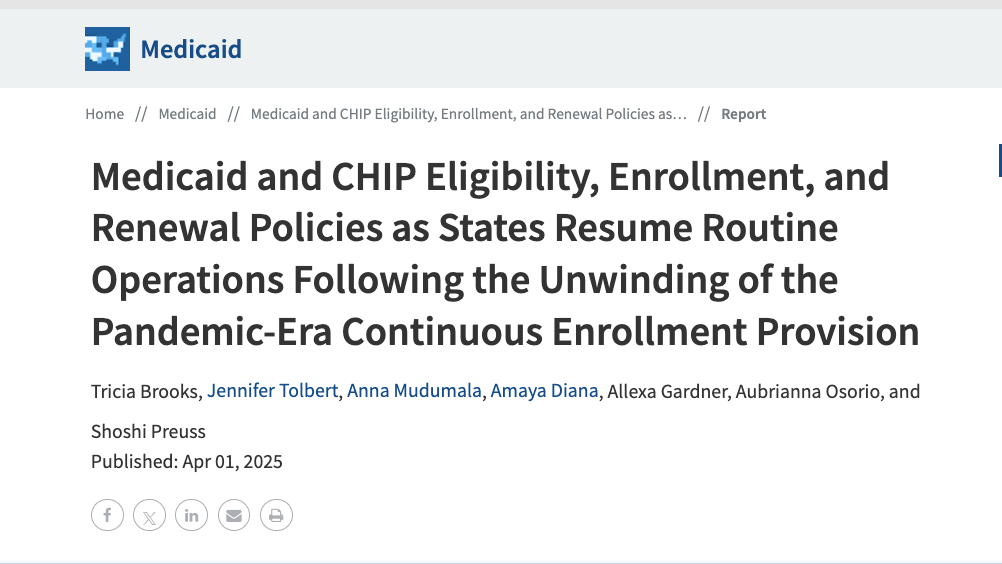
This report provides an early 2025 snapshot of state Medicaid and CHIP policies as they return to normal operations post‑pandemic, focusing on eligibility, enrollment, and renewal processes.
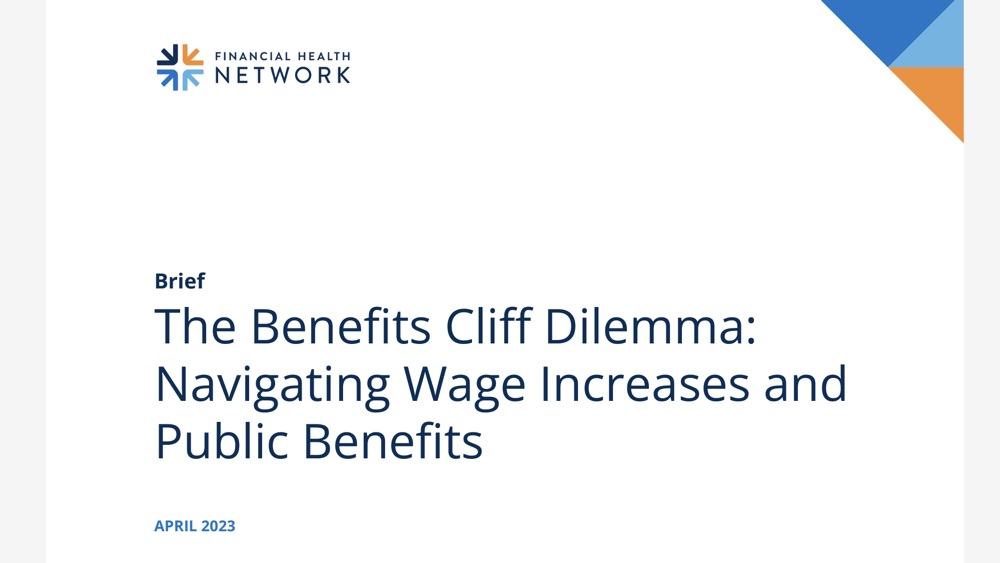
The goal of the brief is to encourage policy makers and employers to consider benefits cliffs as they look to create mandatory wage increases, with a look at a legislative action in NYC.
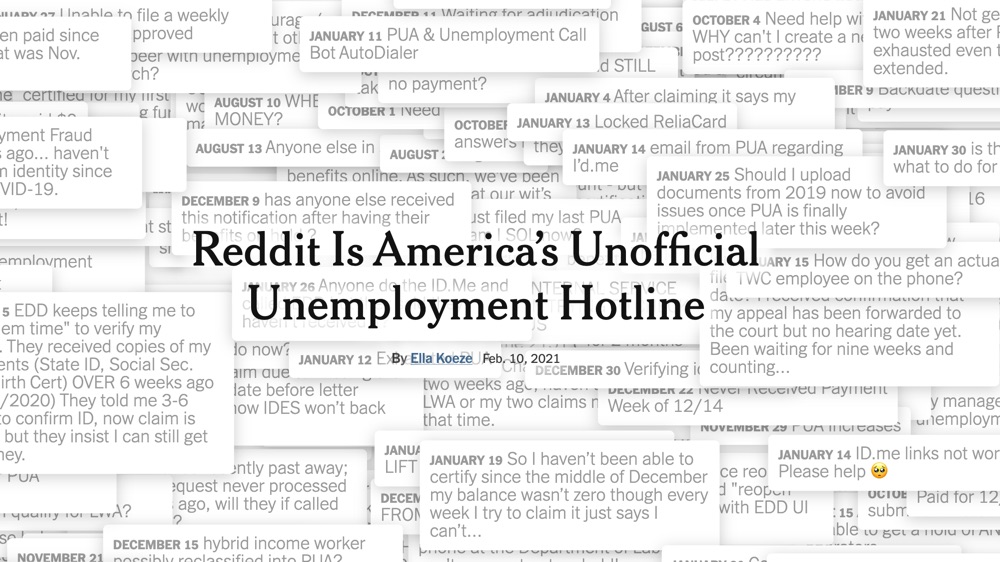
Reddit's unemployment forums have become vital support networks during the pandemic, offering advice, emotional support, and a sense of community to those navigating job loss and financial hardship.
This Urban Institute article argues that poverty is driven by structural barriers rather than individual choices and advocates for safety net programs that address systemic inequities.
This report evaluates state government websites for the Supplemental Nutrition Assistance Program (SNAP), providing links to each state's site and assessing the information and services they offer.