This example examines Miami-Dade County's initiative to streamline digital applications for LIHEAP, aiming to improve accessibility and efficiency for residents seeking energy assistance.
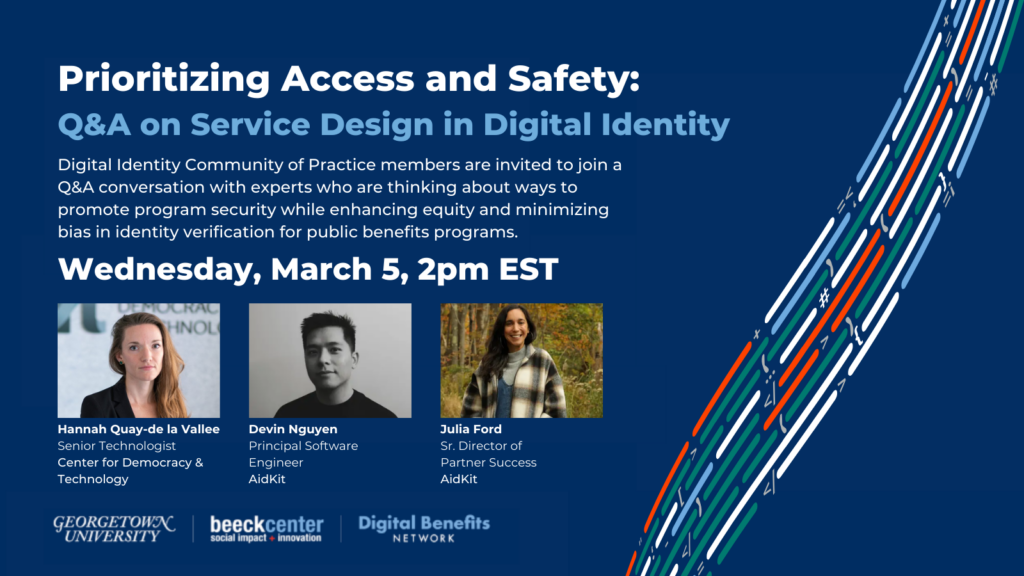
The Digital Benefit Network's Digital Identity Community of Practice held a session to hear considerations from civil rights technologists and human-centered design practitioners on ways to ensure program security while simultaneously promoting equity, enabling accessibility, and minimizing bias.
This article highlights how the City of Saint Paul and Ramsey County are advancing equitable access to climate-resilient green careers through their participation in TOPCities.
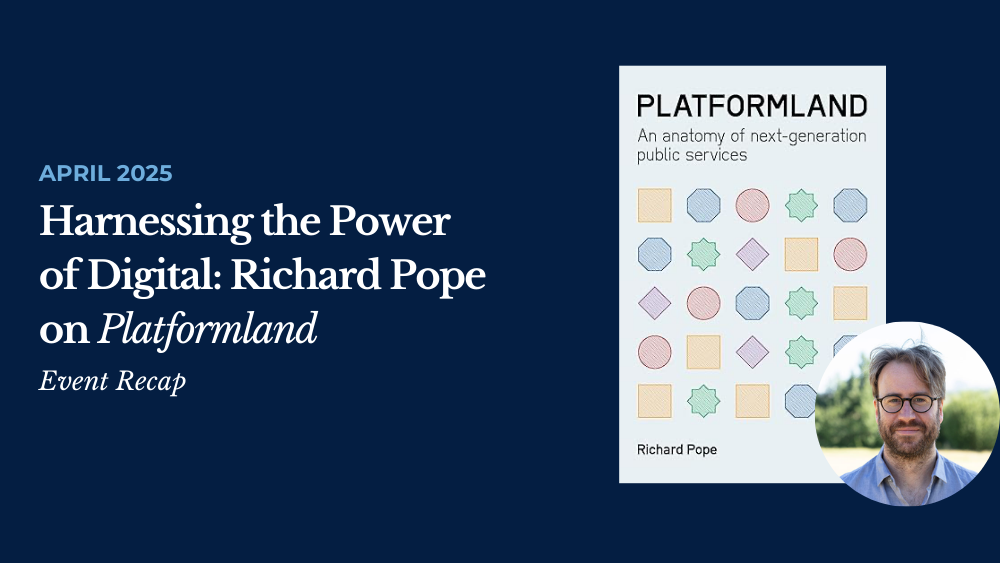
This blog recaps a conversation with Richard Pope, author of Platformland, on how public sector digital services must evolve to reduce administrative burden, enable easier service creation, and foster transparency and democratic participation.
This blog post shares five key service design lessons from U.K. experts Lou Downe and Sarah Drummond, offering practical guidance for building more connected, user-centered government services in British Columbia.
This 2015 project presentation outlines the vision, research, and product requirements for DAHLIA, San Francisco’s online platform to centralize and simplify affordable housing searches and applications.
San Francisco Mayor's Office of Housing and Community Development
Canada’s Digital Standards are a set of principles that guide how public servants design, build, and run government digital services so they’re user-centered, accessible, secure, open, and trustworthy.
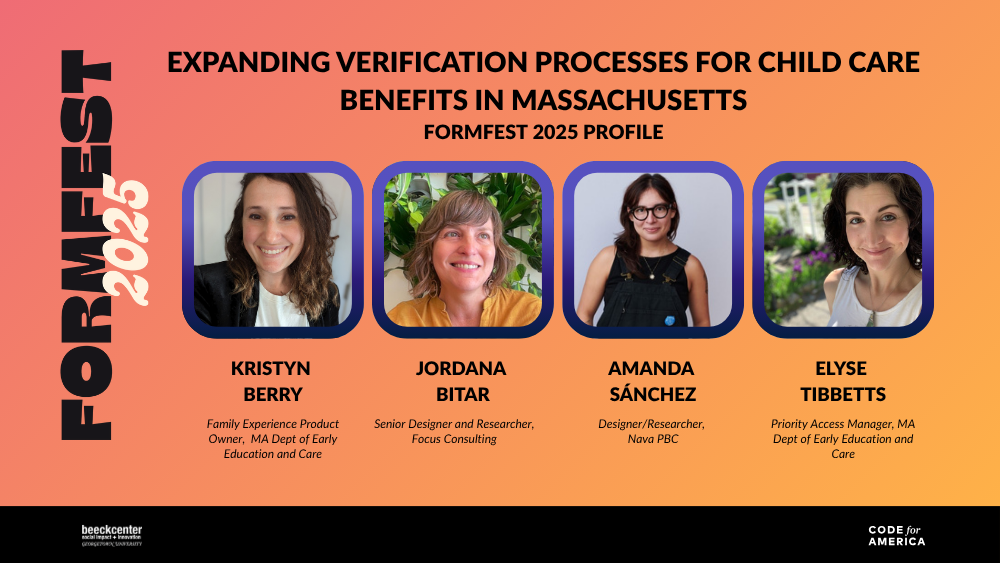
This FormFest profile examines how Massachusetts’ Department of Early Education and Care is modernizing its child care benefits system through human-centered design, making verification and application processes simpler, more compassionate, and more efficient for families and staff.
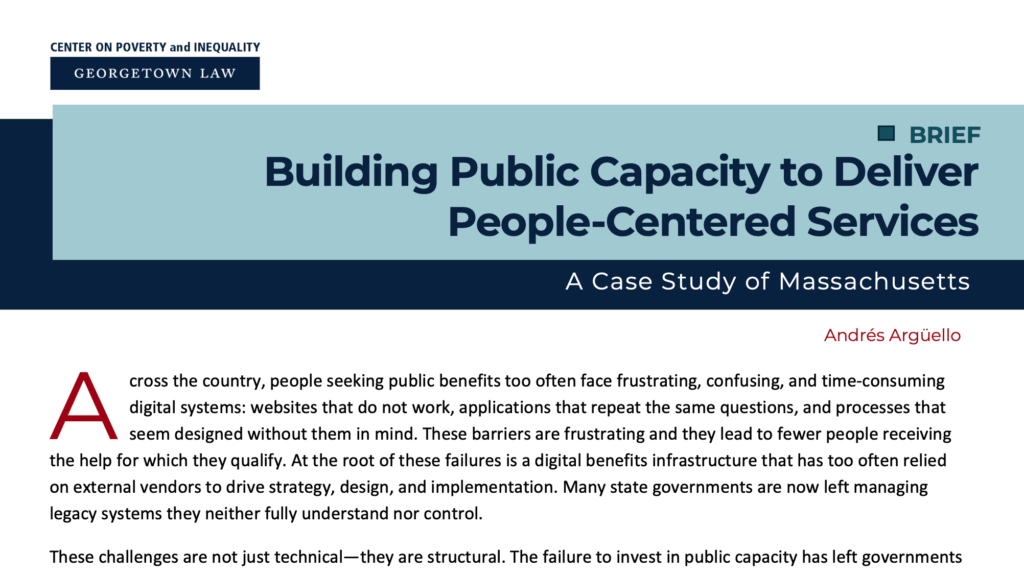
A case study describing how Massachusetts is building long-term public-sector capacity to deliver people-centered digital services by strengthening in-house expertise, shared tools, and agency-embedded support.
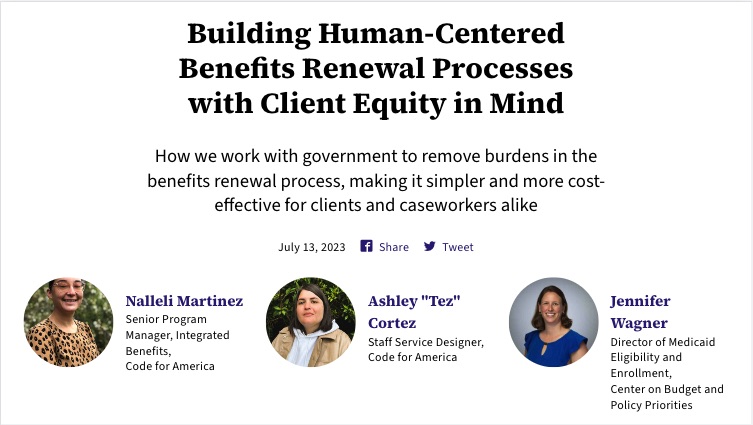
The Building Human-Centered Benefits Renewal Processes with Client Equity in Mind article by Code for America discusses the implementation of ex parte renewals in Minnesota's Medicaid program to streamline benefit renewals for aged, blind, and disabled populations, reducing administrative burdens and enhancing equity.