The goal of the brief is to encourage policy makers and employers to consider benefits cliffs as they look to create mandatory wage increases, with a look at a legislative action in NYC.
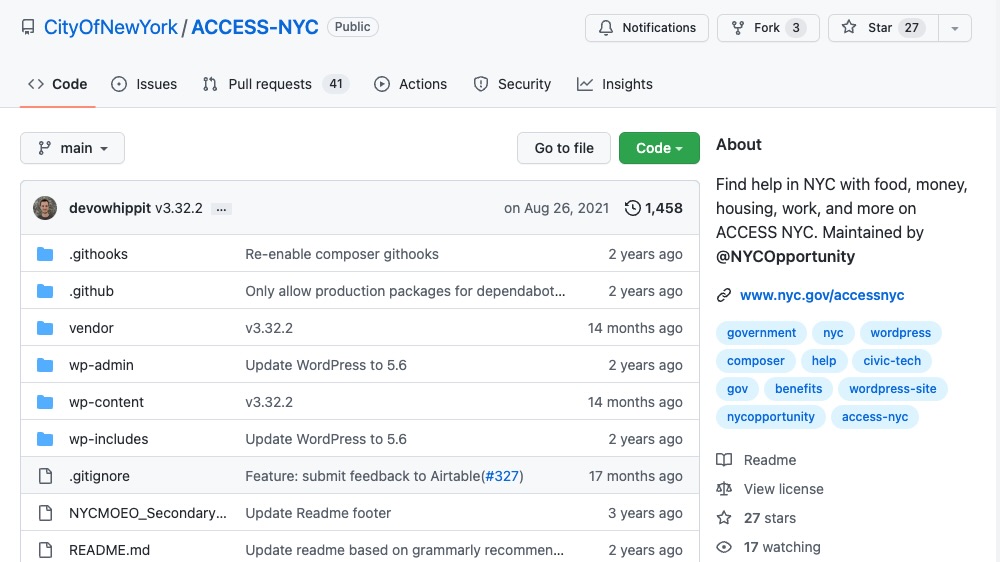
This primer introduces two foundational software types that can support organizations that are committed to accessible benefits information: content management systems (CMS) and application program interfaces (APIs).
This Urban Institute report examines how public investments in children's health, education, and welfare yield significant short- and long-term benefits for both individuals and society.
Many low-income households lack the savings to weather financial shocks like layoffs, and SNAP plays a crucial role in helping them manage essential expenses during difficult times.
The study investigates how state agencies administering SNAP comply with Title VI of the Civil Rights Act by providing language access for individuals with limited English proficiency (LEP).
The team conducted experiments to determine whether clients would be responsive to proactive support offered by a chatbot, and identify the ideal timing of the intervention.
This report explores policy options Utah and other states can adopt to mitigate benefit cliffs, which occur when small income increases lead to sudden loss of public assistance.
A research brief explaining how work requirements in programs like Medicaid and SNAP reduce coverage, increase administrative costs, and push eligible people deeper into poverty without improving employment outcomes.
Monthly SNAP participation data for the United States and every state, from October 1988 through the latest month published by USDA Food and Nutrition Service (generally a 3-month lag).
The Digital Benefits Network at the Beeck Center for Social Impact + Innovation at Georgetown University and Public Policy Lab co-hosted a webinar presenting breaking research on beneficiary experiences with digital identity processes in public benefits.