This report explores how public benefit systems can better support young adults by addressing the barriers they face in accessing and maintaining vital services like SNAP, Medicaid, and WIC.
Provides state and local Special Supplemental Nutrition Program for Women, Infants, and Children (WIC) agencies with a practical guide for developing or improving online WIC application systems.
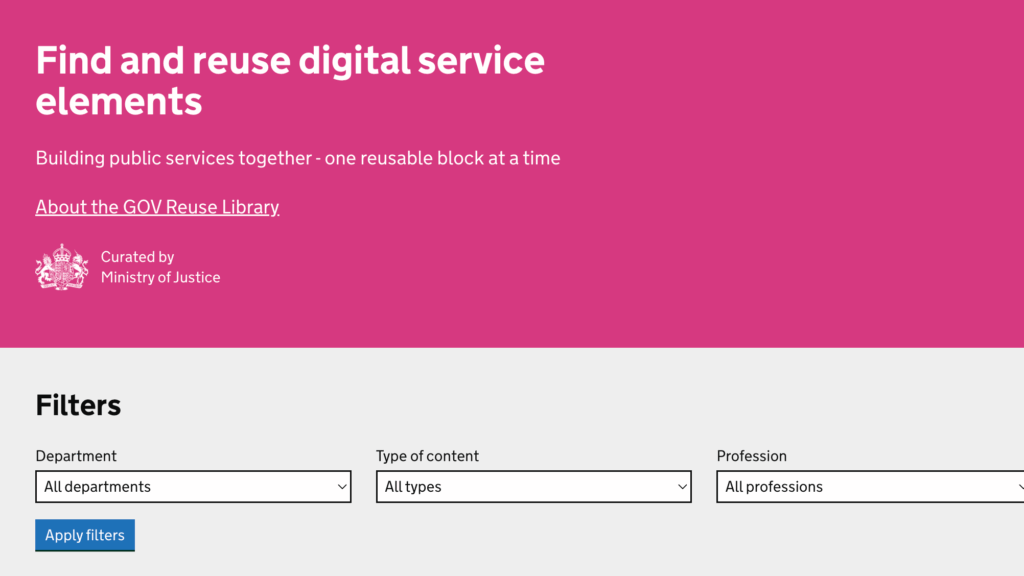
This is a government catalog of reusable digital service components, templates, and patterns designed to help public sector teams build services more efficiently and consistently.
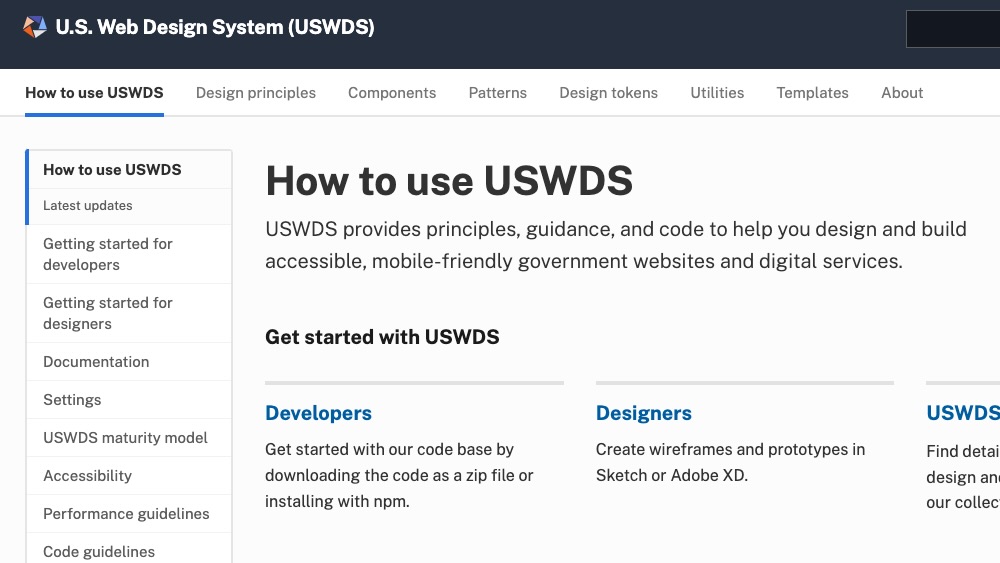
This research paper explores how government design systems function as the “translation layer” of digital public infrastructure, transforming technical systems into accessible, trustworthy citizen experiences.
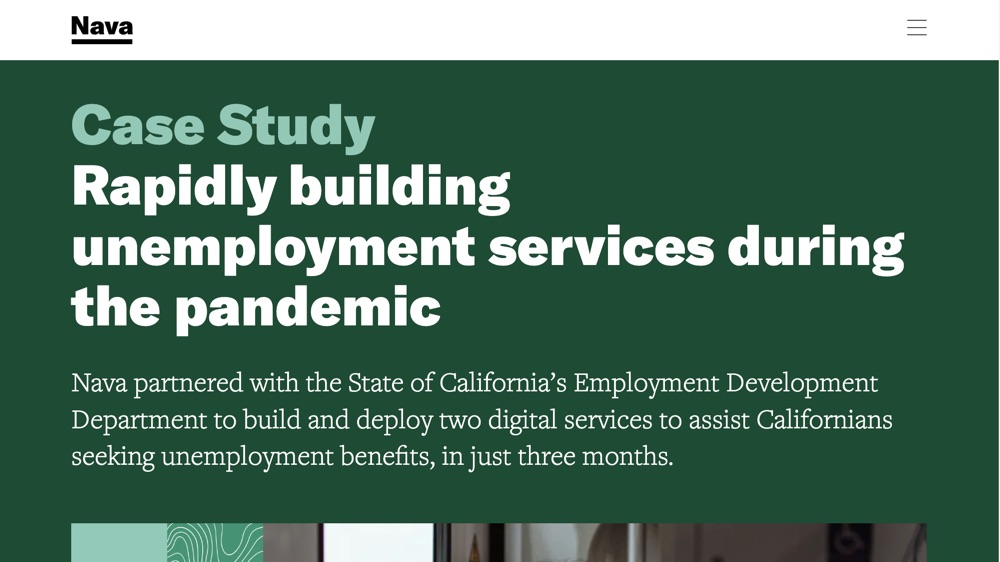
Nava partnered with California's Employment Development Department (EDD) to rapidly develop two cloud-based digital services, enhancing unemployment benefit access during the COVID-19 pandemic.