An overview of current technology systems used by WIC agencies nationwide, highlighting trends, challenges, and opportunities for modernization to improve program efficiency and participant experience.
The Temporary Assistance for Needy Families (TANF) Data Collaborative Pilot Initiative is a component of the TANF Data Innovation project. The 30-month pilot offered technical assistance and training to support cross-disciplinary teams of staff at eight state and county TANF programs in the routine use of TANF and other administrative data to inform policy and practice.
Many low-income households lack the savings to weather financial shocks like layoffs, and SNAP plays a crucial role in helping them manage essential expenses during difficult times.
EBT theft has deeply damaged the lives of the lowest-income Americans. The following insights reveal a system that leaves people in the dark and fails to protect a crucial lifeline.
This case study describes Nava's with the state of Montana’s Special Supplemental Nutrition Program for Women, Infants, and Children (WIC) agency to build an eligibility screener tool.
This paper discusses the country’s chronic underinvestment in children and resulting outcomes, including new data on poverty rates among young children, is inextricable from the prospects of young children; and the remarkably comprehensive pandemic-era response policies, including which changes contributed most to reducing child poverty.
Report by the Aspen Institute discussing Benefits21, a multi-stakeholder, multi-faceted initiative to integrate and modernize benefits systems. This paper provides an overview of Benefits21, along with a discussion of the shortcomings of current public and private benefit systems.
A modernized public benefits system would better serve program participants, administrators, policy makers, and taxpayers. This paper proposes a set of principles both define the desired future state and outline the values that shape decision making along the way. Practices describe the processes needed to achieve modernization.
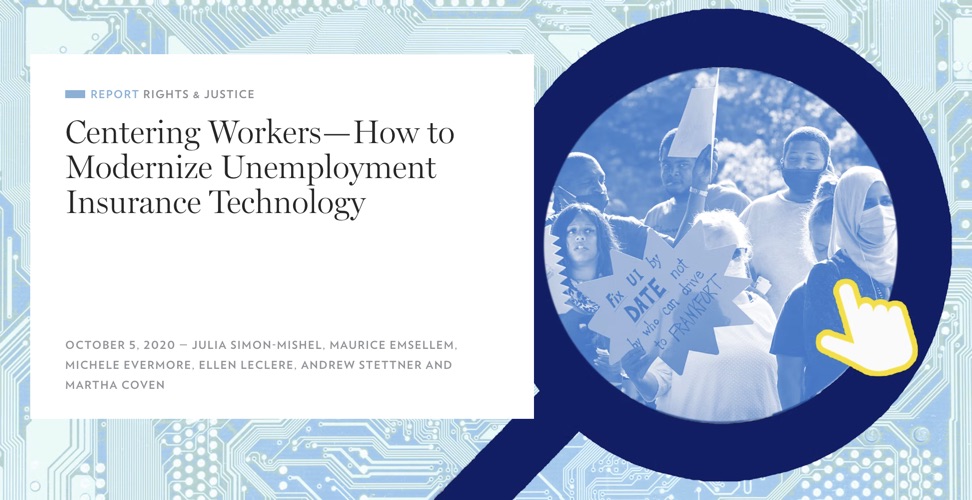
This report outlines how modernizing unemployment insurance (UI) technology with a worker-centered approach can improve access, efficiency, and equity in the UI system.
This report discusses the financial resilience strategies families used to manage gaps before benefits arrived, in addition to providing recommendations for how benefits can be better designed in the future to fit the financial lives of lower-income households.