The team explored using LLMs to interpret the Program Operations Manual System (POMS) into plain language logic models and flowcharts as educational resources for SSI and SSDI eligibility, benchmarking LLMs in RAG methods for reliability in answering queries and providing useful instructions to users.
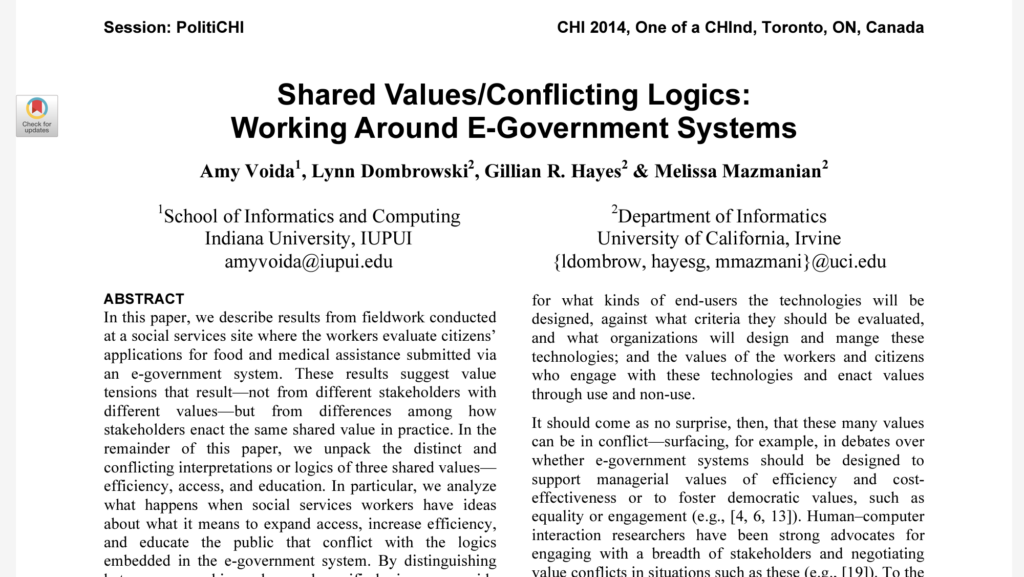
This paper describes results from fieldwork conducted at a social services site where the workers evaluate citizens' applications for food and medical assistance submitted via an e-government system. These results suggest value tensions that result - not from different stakeholders with different values - but from differences among how stakeholders enact the same shared value in practice.
CHI '14: Proceedings of the SIGCHI Conference on Human Factors in Computing Systems
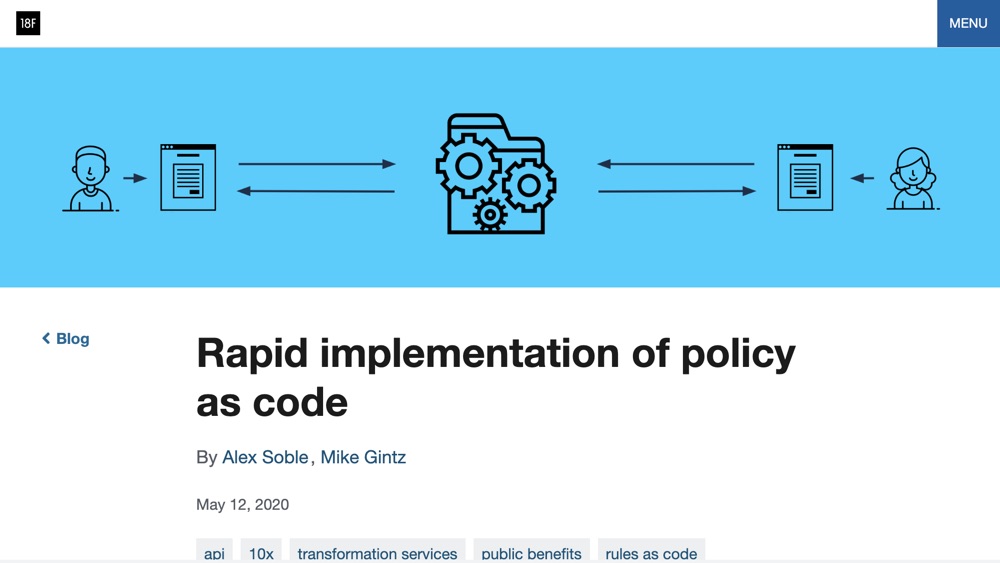
Policy changes are often dynamic and occur quickly, but they can only create impact once implemented. The Eligibility APIs Initiative at 18F shares an example from their work that shows the potential for rapid, accurate policy implementation as code.
The team developed an AI solution to assist benefit navigators with in-the-moment program information, finding that while LLMs are useful for summarizing and interpreting text, they are not ideal for implementing strict formulas like benefit calculations, but can accelerate the eligibility process by leveraging their strengths in general tasks.
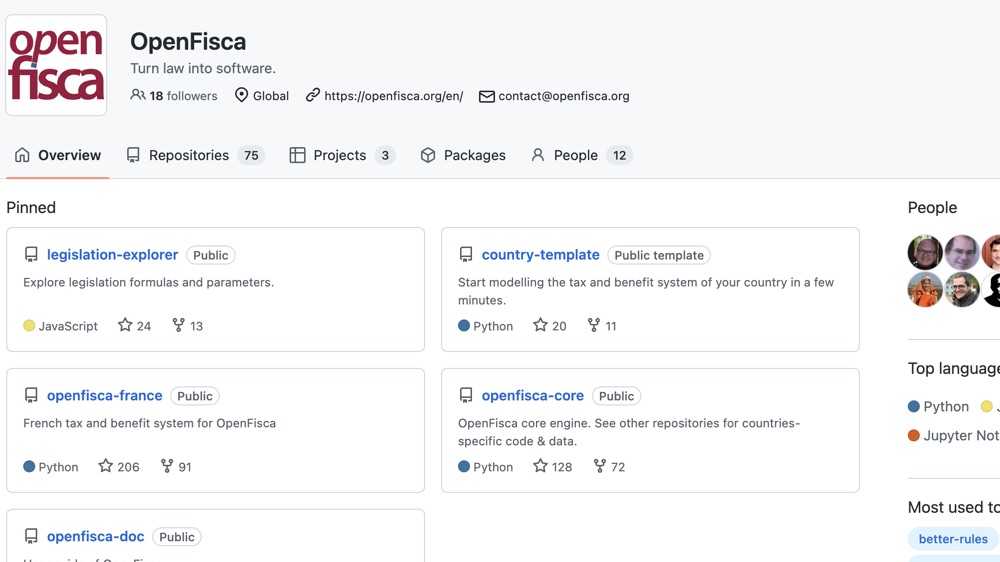
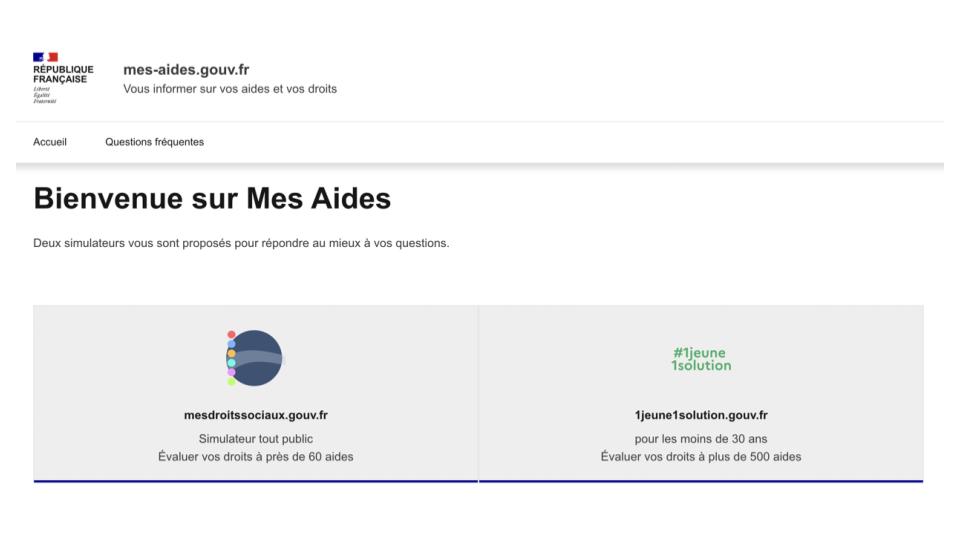
beta.gouv.fr, a French government incubator, developed Mes Aides, an online benefits simulator launched in 2014 to help residents assess their eligibility for various social programs, addressing the issue of unclaimed benefits. The tool, built with open-source technology, enabled users to quickly estimate their potential benefits but was later integrated into a broader platform in 2020 following internal government disputes over authority.
The team conducted experiments to determine whether clients would be responsive to proactive support offered by a chatbot, and identify the ideal timing of the intervention.
The team introduced an AI assistant for benefits navigators to streamline the process and improve outcomes by quickly assessing client eligibility for benefits programs.
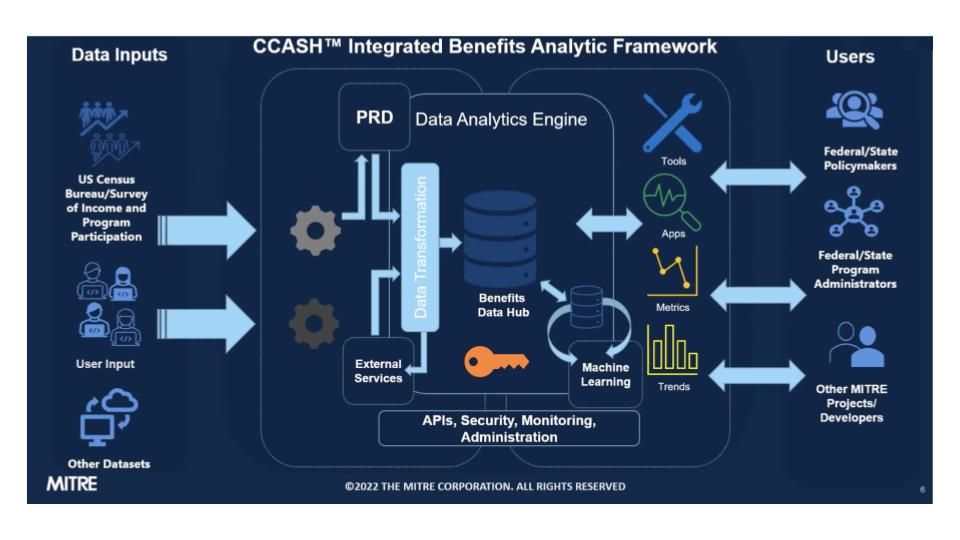
MITRE developed the Comprehensive Careers and Supports for Households (CCASH™) tool to help individuals understand and manage federal benefits and employment services, transitioning from a consumer-focused tool to a policy analytics system. By integrating data from sources like the U.S. Census and the Policy Rules Database, MITRE created a model that allows users to analyze and compare benefits eligibility across states, supporting evidence-based policymaking.
The team aimed to automate applying rules efficiently by creating computable policies, recognizing the need for AI tools to convert legacy policy content into automated business rules using Decision Model Notation (DMN) for effective processing and monitoring.
The team developed an AI-powered explanation feature that effectively translates complex, multi-program policy calculations into clear and accessible explanations, enabling users to explore "what-if" scenarios and understand key factors influencing benefit amounts and eligibility thresholds.