A collection that provides a comprehensive operational toolkit to help civil servants and public sector organizations deploy artificial intelligence safely, effectively, and securely.
The report evaluates the 2023 Newborn Supply Kit pilot program, highlighting its effectiveness in reducing maternal stress, alleviating financial burdens, and increasing trust in government services among new parents, especially in low-income communities.
U.S. Department of Health and Human Services (HHS)
This blog discusses the importance of phased rollouts for government software products, emphasizing the benefits of starting small, gathering real-world user feedback, and resolving issues before a full public release.
This panel discussion from the Academy's 2025 Policy Summit explores the intersection of artificial intelligence (AI) and public benefits, examining how technological advancements are influencing policy decisions and the delivery of social services.
This course provides Head Start program leaders with strategies and tools to foster inclusive environments for LGBTQIA2S+ individuals within their programs.
U.S. Department of Health and Human Services (HHS)
This case study examines how Michigan’s Department of Health and Human Services uses data practices to advance racial equity in child welfare through identity-informed data collection and anonymous decision-making.
U.S. Department of Health and Human Services (HHS)
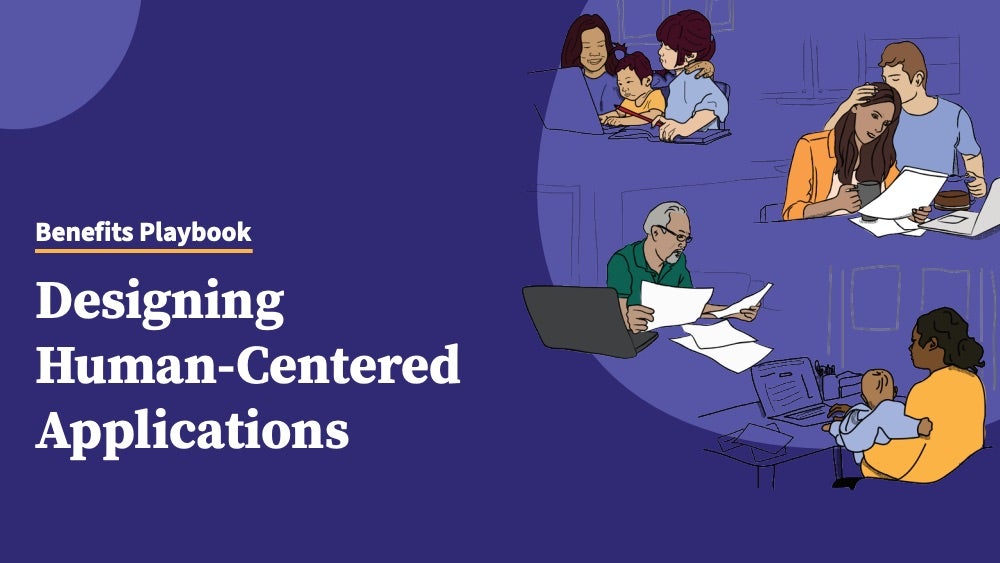
This page describes the agency’s investments in digital tools and services aimed at reducing friction in how people find, apply for, and maintain eligibility for federal benefits.