This memo provides information to child and family service agencies on improving support for intersex children, adolescents, and their families through affirming practices, resources, and partnerships.
U.S. Department of Health and Human Services (HHS)
This guide introduces privacy-enhancing technologies (PETs) and provides practical guidance for government agencies on selecting and implementing them to securely use, share, and protect sensitive data.
This guide outlines ethical frameworks and best practices for responsibly collecting and using demographic and other sensitive data to build equitable digital products.
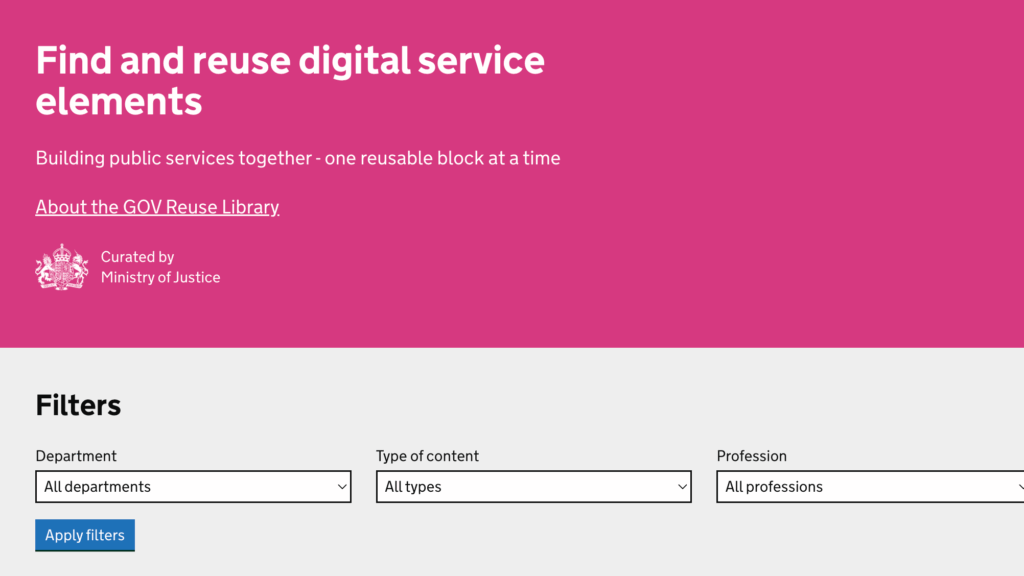
This is a government catalog of reusable digital service components, templates, and patterns designed to help public sector teams build services more efficiently and consistently.
A comprehensive assessment that maps how artificial intelligence is currently being used, governed, and managed across local, state, and federal governments in the United States.
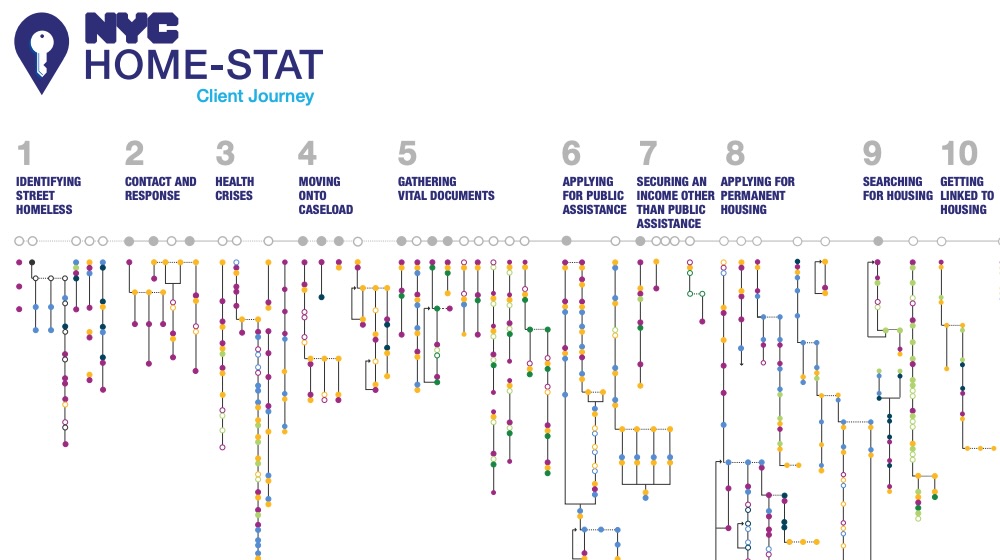
This overview journey map of street homeless outreach reflects the complexity of the service journey from first contact on street to placement in permanent housing.
This interview template includes questions designed to help teams conduct exploratory, semi-structured interviews with government stakeholders involved in program delivery to gather information that can help them evaluate the status quo of digital delivery in their organization.
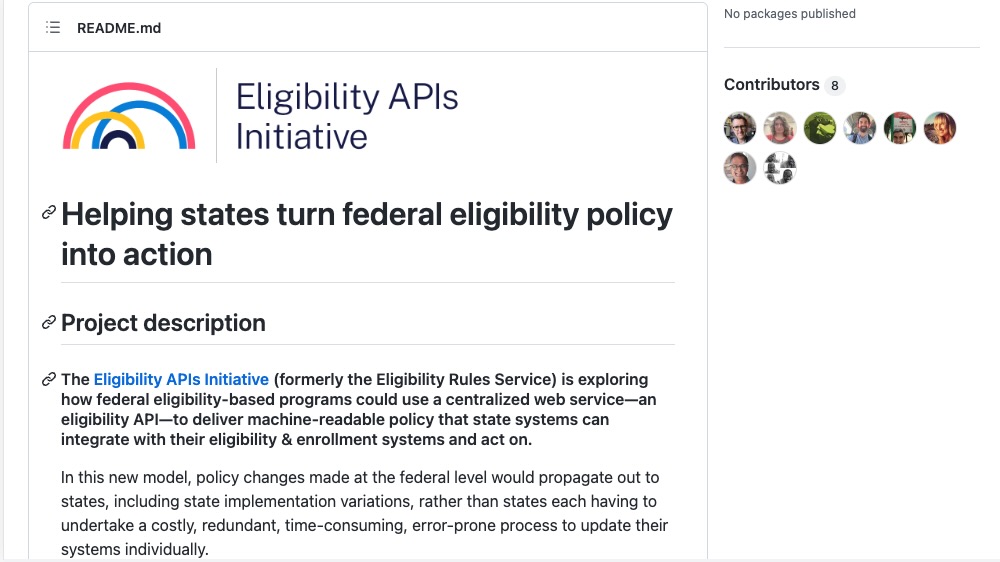
Programs like Medicaid and SNAP are managed at the federal level, administered at the state level, and often executed at the local level. Because there are so many in-betweens, there is significant duplicated effort, demonstrating the need to simplify eligibility rules to facilitate easier implementation.