This blog post discusses the importance of prototyping in the public sector, focusing on how it helps test assumptions, gather user feedback, and refine ideas before making significant investments in building or launching a product or service.
This brief synthesizes the manner in which the political and social service environments affect the intergenerational stability of non-citizen families, offering insights into programmatic supports.
American Public Human Services Association (APHSA)
This panel discussion from the Academy's 2025 Policy Summit explores the intersection of artificial intelligence (AI) and public benefits, examining how technological advancements are influencing policy decisions and the delivery of social services.
This article advises government agencies to prioritize cybersecurity methods over AI-driven approaches when combating identity fraud in benefits programs, highlighting potential risks that automated systems pose to legitimate applicants.
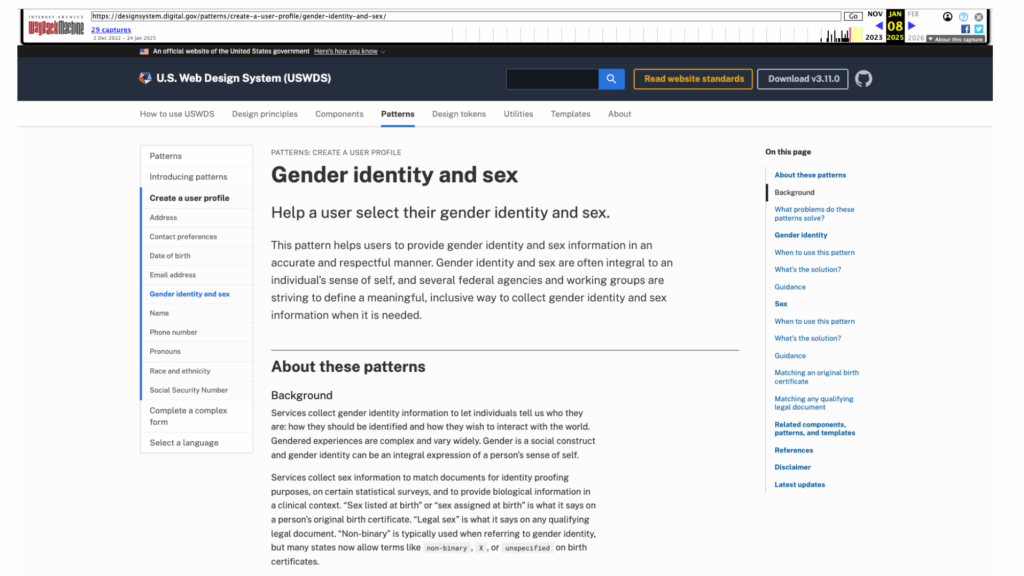
When creating a user profile, this U.S. Web Design System pattern helps users to provide gender identity and sex information in an accurate and respectful manner.
An updated guide for public sector and civic data users to embed racial equity and community voice throughout the data life cycle—from planning to dissemination.
A toolkit that explains how to apply a content-first design approach to public services, helping teams design content strategy and interfaces based on user needs.
The Digital Benefits Network at the Beeck Center for Social Impact + Innovation at Georgetown University and Public Policy Lab co-hosted a webinar presenting breaking research on beneficiary experiences with digital identity processes in public benefits.