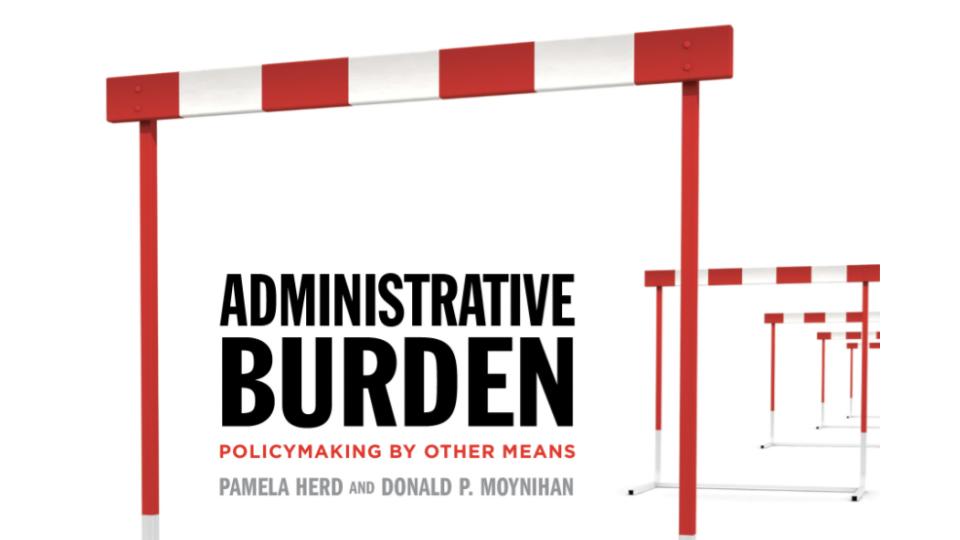
This book is an in-depth exploration of federal programs and controversial legislation demonstrating that administrative burden has long existed in policy design, preventing citizens from accessing fundamental rights. Further discussion of how policymakers can minimize administrative burden to reduce inequality, boost civic engagement, and build an efficient state.
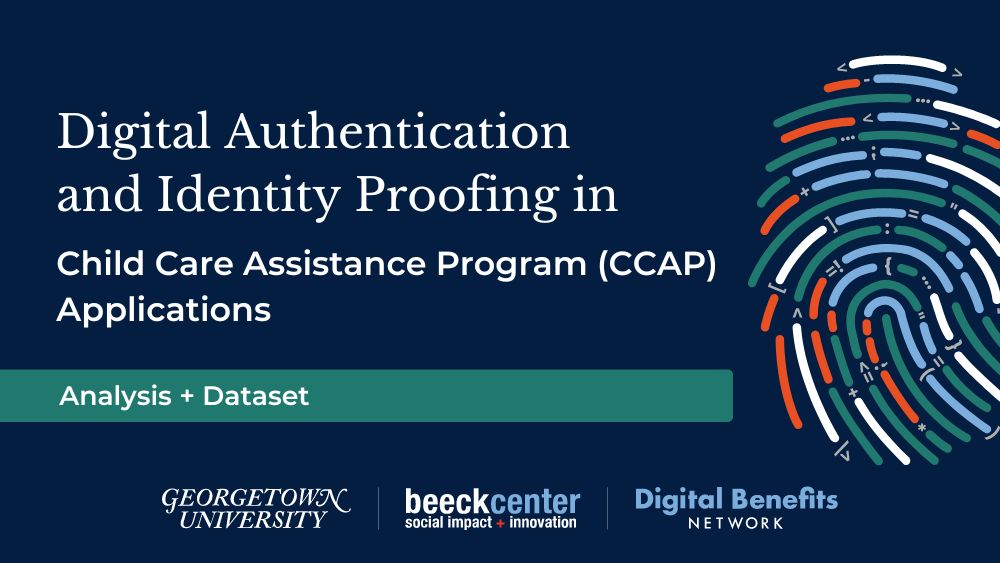
This page includes data and observations about authentication and identity proofing steps specifically for online applications that include child care applications.
This playbook is designed to help government and other key sectors use data sharing to illuminate who is not accessing benefits, connect under-enrolled populations to vital assistance, and make the benefits system more efficient for agencies and participants alike.
The Digital Service Network (DSN) recently sat down with the Maryland Family and Medical Leave Insurance (FAMLI) team to learn more about an exciting role they’re hiring for.
This foundational article develops the concept of administrative burden, defining it as the learning, psychological, and compliance costs individuals face when interacting with government, and argues that these burdens are often shaped by political choices.
Journal of Public Administration Research and Theory
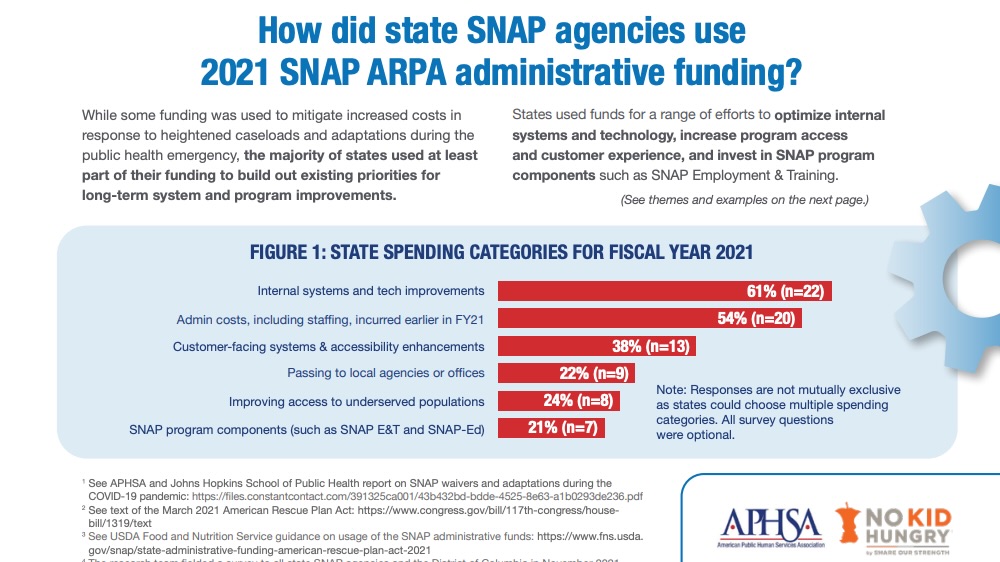
This brief shares findings from a November 2021 survey of state SNAP agencies about their use of the SNAP ARPA funds in fiscal year 2021, and their initial planned activities for fiscal year 2022 and 2023.
American Public Human Services Association (APHSA)
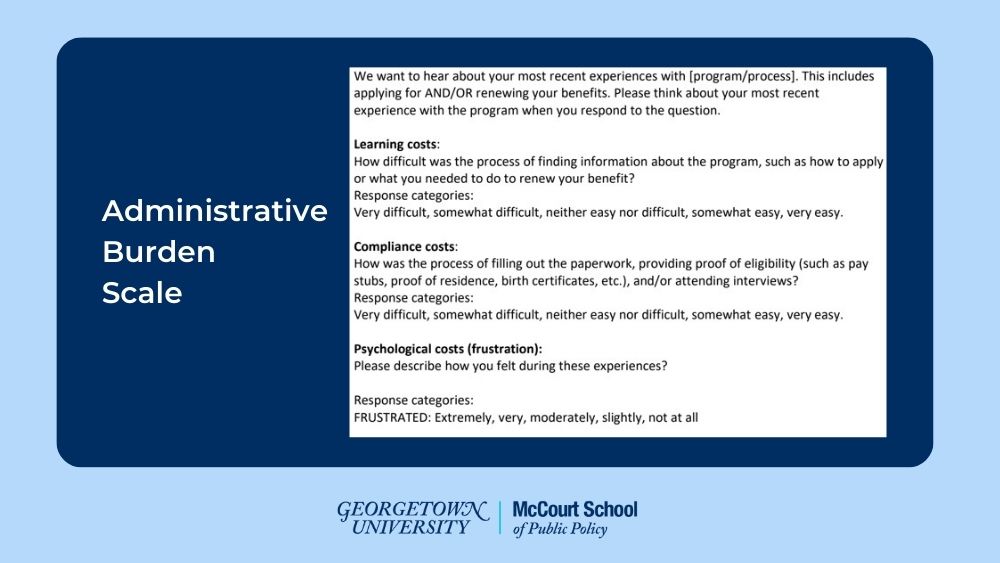
The Better Government Lab at the McCourt School of Public Policy at Georgetown University has developed a new scale for measuring the experience of burden when accessing public benefits. They offer both a three-item scale and a single-item scale, which can be utilized for any public benefit program. The shorter scales provide a less burdensome way to measure by requiring less information from users.