The AI RMF Playbook offers organizations detailed, voluntary guidance for implementing the NIST AI Risk Management Framework to map, measure, manage, and govern AI risks effectively.
National Institute of Standards and Technology (NIST)
This resource page provides comprehensive information on the state's initiatives, policies, training, and governance related to the adoption and implementation of generative AI technologies in government operations.
This executive order establishes governance, values, and oversight structures for the ethical and responsible use of generative AI technologies within the Commonwealth of Pennsylvania.
This resource contains specific examples that highlight the advantages of designing reusable code components, software tools, or design formats. This guide also illustrates the possibilities for connecting new components to existing system infrastructure.
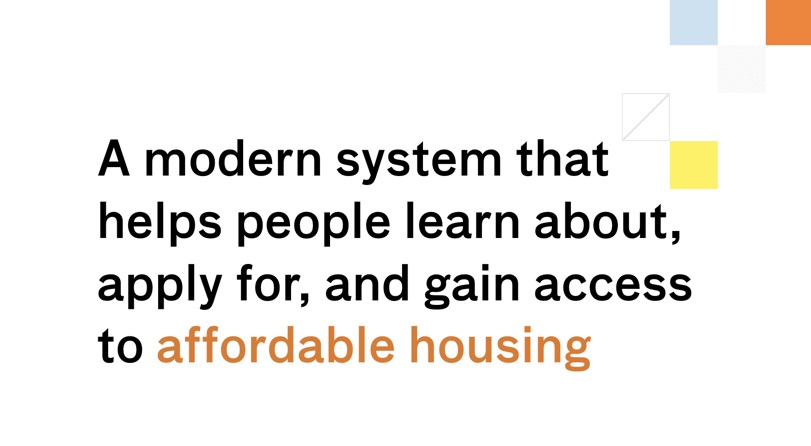
A modern system that helps people learn about, apply for, and gain access to affordable housing. Bloom Housing is an open source platform that digitizes the process of finding and applying for affordable housing, turning a time-consuming paper process into a 15 minute activity from one's smartphone or computer.
Executive Order 14058, issued by President Joe Biden on December 13, 2021, aims to enhance the federal customer experience and service delivery to rebuild trust in government.
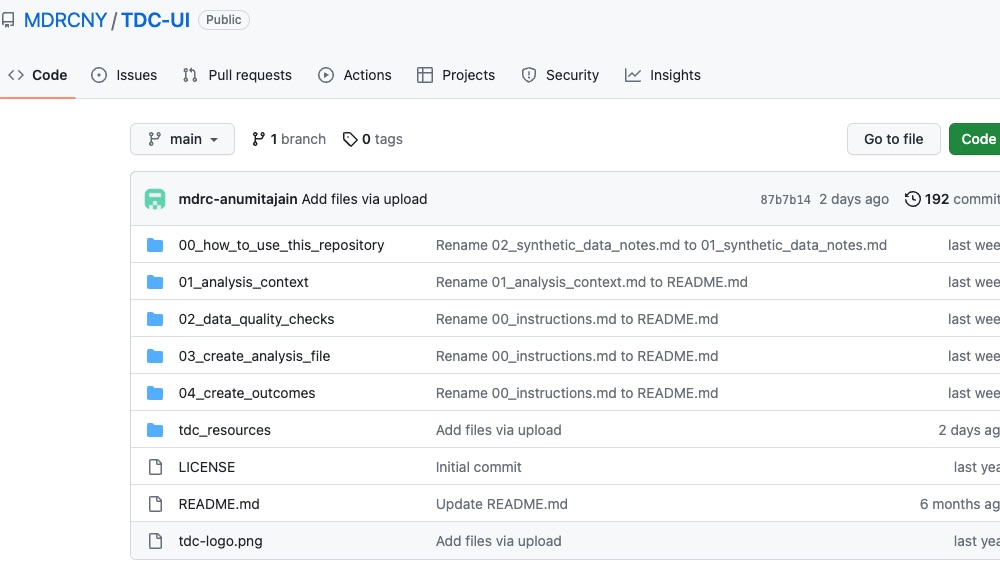
This GitHub repository includes resources that users of the UI wage data toolkit may find helpful. It covers a variety of topics, including equity, data security, programming, and data QC tips. It also serves as a place for our team to continue to post information that the TANF Data Collaborative (TDC) pilot sites found useful during our partnerships with them.