Monthly SNAP participation data for the United States and every state, from October 1988 through the latest month published by USDA Food and Nutrition Service (generally a 3-month lag).
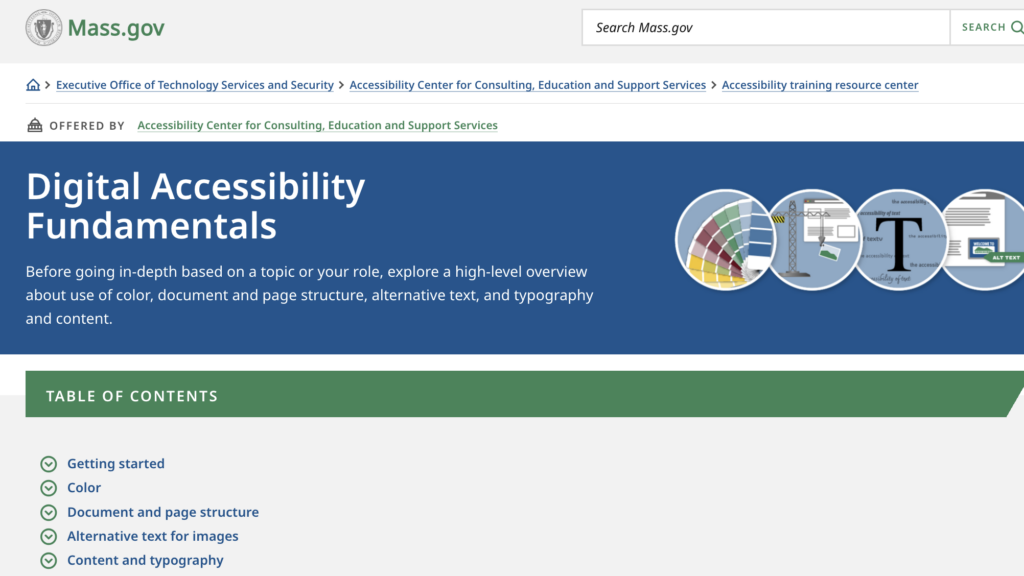
This resource provides practical guidance on the core principles of digital accessibility, helping teams create digital content and services that are more usable and inclusive for people with disabilities.
The Commonwealth of Massachusetts Executive Office of Technology Services and Security (EOTSS)
This annual report highlights the department’s progress in expanding broadband access, enhancing cybersecurity, modernizing IT services, and promoting digital equity across the state.
North Carolina Department of Information Technology (NCDIT)
This report highlights California's strides in modernizing state government through data-driven innovation, human-centered design, and strategic initiatives aimed at enhancing public services and equity.
This framework provides voluntary guidance to help employers use AI hiring technology in ways that are inclusive of people with disabilities, while aligning with federal risk management standards.
This resource page provides comprehensive information on the state's initiatives, policies, training, and governance related to the adoption and implementation of generative AI technologies in government operations.
This executive order establishes governance, values, and oversight structures for the ethical and responsible use of generative AI technologies within the Commonwealth of Pennsylvania.
This resource contains specific examples that highlight the advantages of designing reusable code components, software tools, or design formats. This guide also illustrates the possibilities for connecting new components to existing system infrastructure.