The Temporary Assistance for Needy Families (TANF) Data Collaborative Pilot Initiative is a component of the TANF Data Innovation project. The 30-month pilot offered technical assistance and training to support cross-disciplinary teams of staff at eight state and county TANF programs in the routine use of TANF and other administrative data to inform policy and practice.
This article explores how AI and Rules as Code are turning law into automated systems, including how governance focused on transparency, explainability, and risk management can ensure these digital legal frameworks stay reliable and fair.
The New York State WIC program website provides access to nutritious foods, nutrition education, breastfeeding/chestfeeding support, and referrals to eligible pregnant, breastfeeding, and postpartum individuals, infants, and children up to age five.
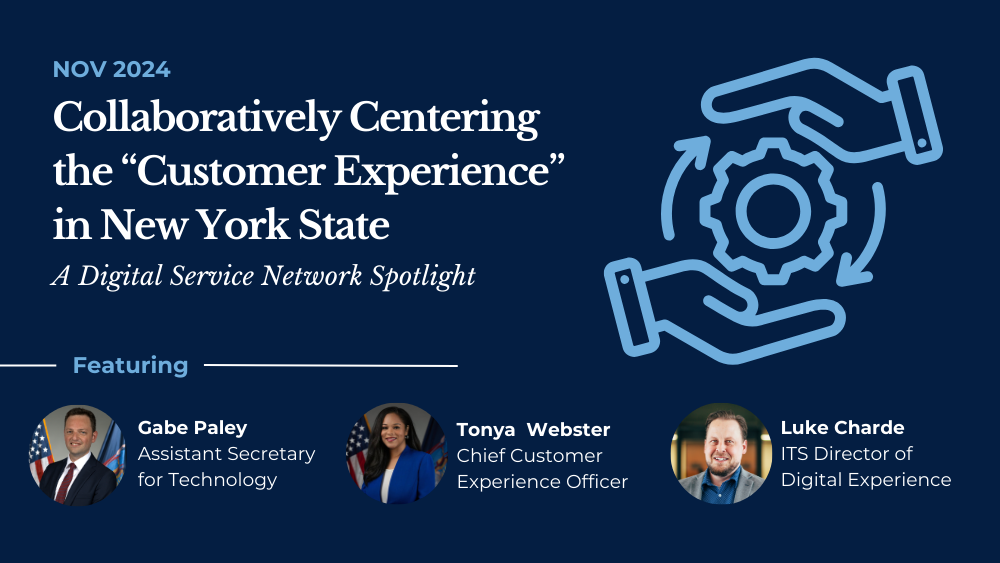
The Digital Service Network (DSN) spoke with three staff members from the New York State Executive Chamber—Gabe Paley, Tonya Webster, and, Luke Charde to learn more about the state's efforts to improve residents’ experiences accessing government programs.
These recommendations outline privacy-focused guidelines for states adopting digital IDs, emphasizing protections against surveillance, ensuring equitable access, and maintaining control over personal data.
This report details the use of the historic investment of $1 billion in funding from the American Rescue Plan Act (ARPA) to the Department of Labor and state unemployment (UI) agencies to modernize state UI programs.
This case study highlights a collaborative effort to enhance Nevada’s unemployment insurance (UI) program by simplifying claimant-facing communications and improving user experiences through behavioral science and human-centered design.
National Association of State Workforce Agencies (NASWA)
This executive order establishes a statewide effort to enhance accessibility by requiring all state agencies to use clear, concise, and easily understandable language in written communications.