Michigan's UIA director, Julia Dale, is leading the agency through transition by prioritizing lived experience, hope, grit, and values. Virginia's SNAP Program Manager, Michele Thomas, highlighted the success of Sun Bucks, a summer EBT child nutrition program that fed over 700,000 kids in its first year.
Through deeply reported case studies and insights from focus groups, this report provides an in-depth look at the impact of pandemic-era government spending on families.
This section of the Building Resilience plan outlines strategies to improve reemployment outcomes for unemployment insurance (UI) claimants by expanding access to services, updating work search requirements, and increasing use of Short-Time Compensation programs.
The article examines the participation of adults aged 50 and older in the Supplemental Nutrition Assistance Program (SNAP) in 2022, highlighting the program's role in reducing food insecurity and poverty among older adults, especially those with disabilities.
This article advises government agencies to prioritize cybersecurity methods over AI-driven approaches when combating identity fraud in benefits programs, highlighting potential risks that automated systems pose to legitimate applicants.
This explores how tax credit systems can be redesigned to better meet the needs of families, especially those facing systemic barriers to filing and receiving benefits.
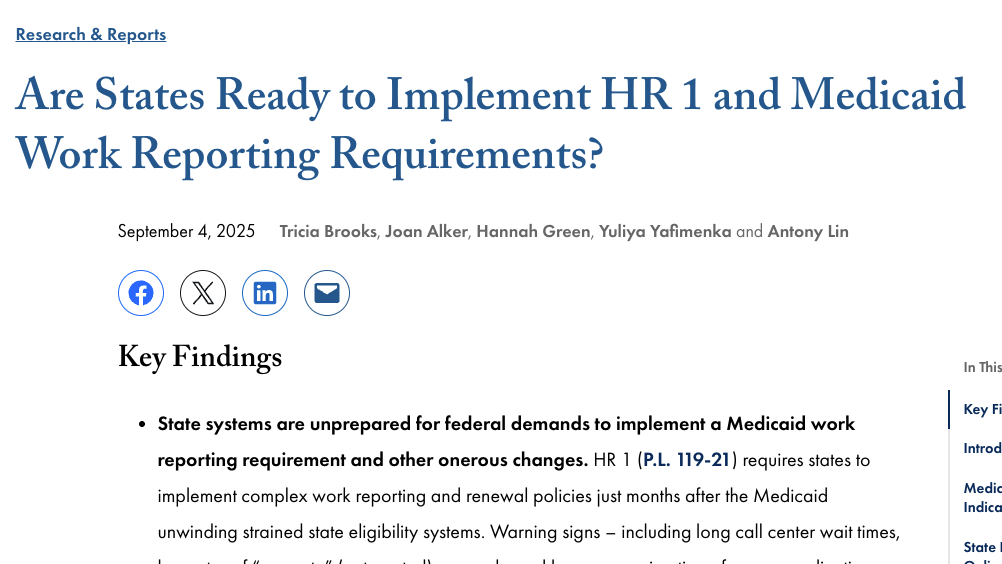
This report poses the question of whether states are prepared to meet the new Medicaid work reporting and renewal mandates introduced by HR 1, given ongoing strain from the post-pandemic “unwinding.”
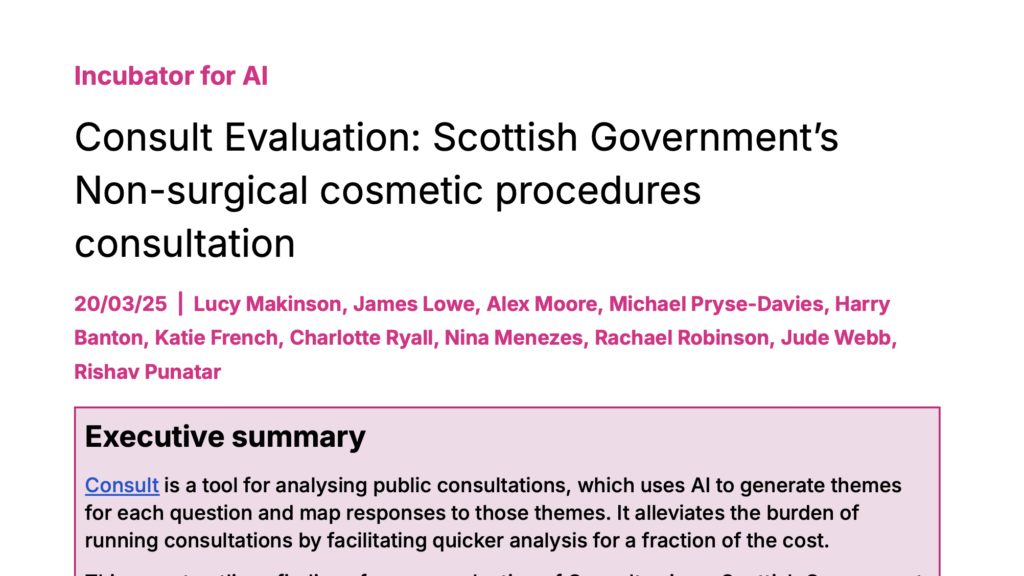
An evaluation report assessing the performance of “Consult,” an AI-powered tool developed by the UK government’s Incubator for AI (i.AI), to analyse public consultation responses for the Scottish Government.
Government of Scotland Department for Science, Innovation and Technology (DSIT)
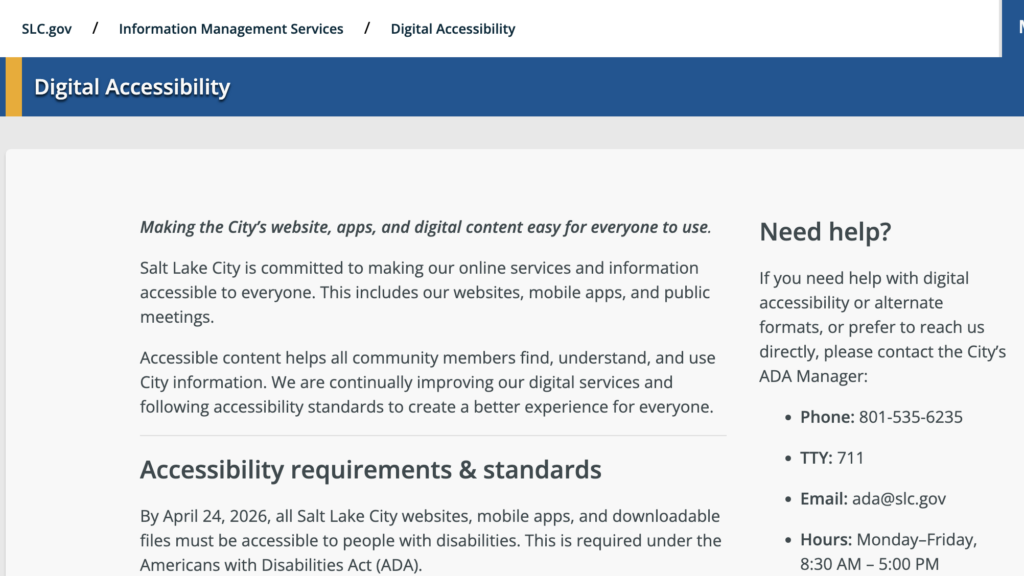
A municipal resource outlining Salt Lake City’s approach to digital accessibility, including standards, policies, and actions to ensure all residents can access online services and information.