This study examines how bureaucratic interactions differ among public assistance programs—WIC, SNAP, and Medicaid—highlighting variations in participant experiences and the psychological costs associated with each.
Through our research understanding the government digital service field and what workers in this field need, we want to help strengthen those existing roles and establish more pathways for promotion and career support, as well as help other teams recognize the value of these skills and create new roles.
A modern system that helps people learn about, apply for, and gain access to affordable housing. Bloom Housing is an open source platform that digitizes the process of finding and applying for affordable housing, turning a time-consuming paper process into a 15 minute activity from one's smartphone or computer.
Executive Order 14058, issued by President Joe Biden on December 13, 2021, aims to enhance the federal customer experience and service delivery to rebuild trust in government.
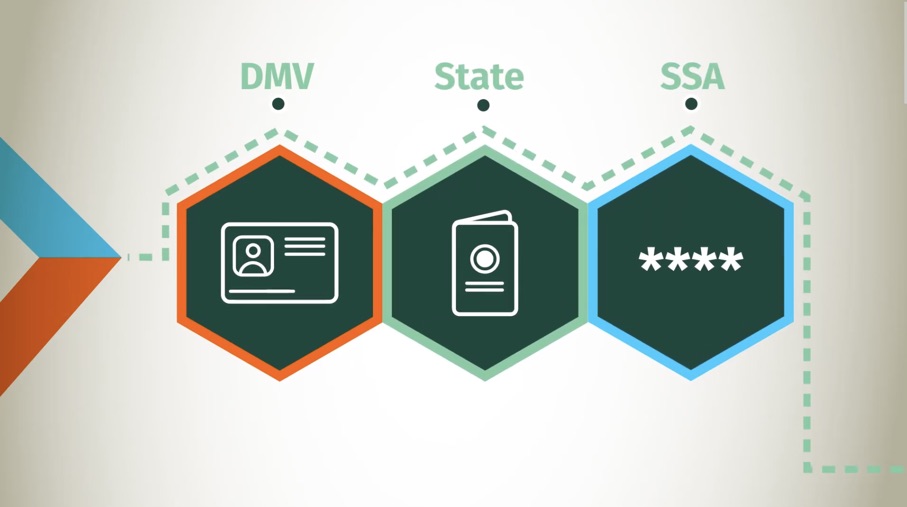
As a next step in Iowa's modernization effort, the MEME project released a video describing Iowa's proposed approach and next steps for the purpose of engaging with vendors. The video linked here provides additional information on the project's learnings so far.
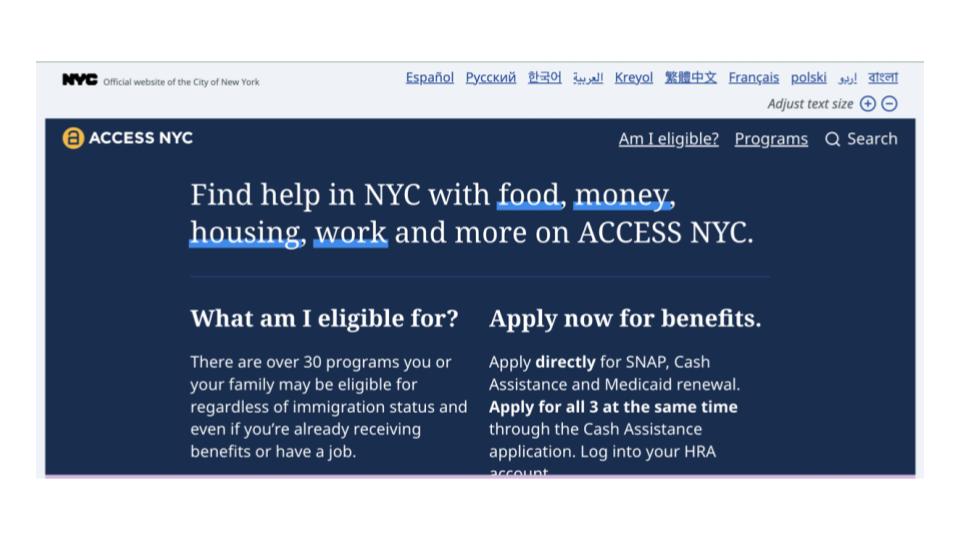
The NYC Mayor’s Office for Economic Opportunity (NYC Opportunity) developed the NYC Benefits Platform, including ACCESS NYC, to help residents easily discover and check eligibility for over 80 social programs.