This report examines how the U.S. federal government can enhance the efficiency and equity of benefit delivery by simplifying eligibility rules and using a Rules as Code approach for digital systems.
Through our research understanding the government digital service field and what workers in this field need, we want to help strengthen those existing roles and establish more pathways for promotion and career support, as well as help other teams recognize the value of these skills and create new roles.
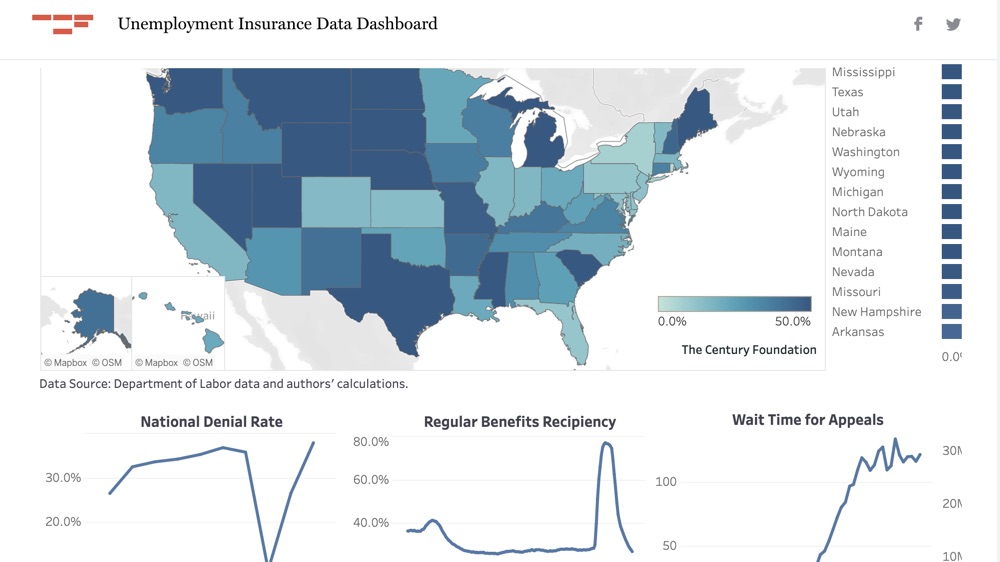
This dashboard highlights key performance indicators for UI systems nationwide, including how they perform during the current economic crisis, the impact of the CARES Act benefits expiring, the timeline for which benefits are delivered, demographics of benefits recipients, and total benefits payments.
This landscape analysis examines data, design, technology, and innovation-enabled approaches that make it easier for eligible people to enroll in, and receive, federally-funded social safety net benefits, with a focus on the earliest adaptations during the COVID-19 pandemic.
The State of California government published guidelines for the safe and effective use of Generative Artificial (GenAI) within state agencies, in accordance with Governor Newsom's Executive Order N-12-23 on Generative Artificial Intelligence.
This resource highlights strategies for integrating benefits renewals and correspondence, potentially reducing administrative burdens for both clients and caseworkers.
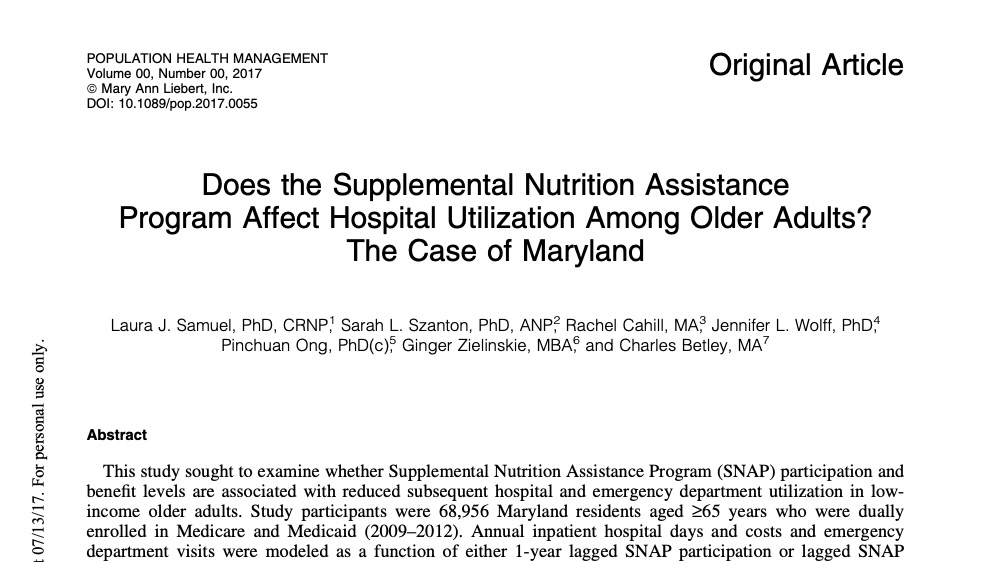
Accounting for the strong effects of health care access, this study finds that SNAP is associated with reduced hospitalization in dually eligible older adults. Policies to increase SNAP participation and benefit amounts in eligible older adults may reduce hospitalizations and health care costs for older dual eligible adults living in the community.
This page includes data and observations about authentication and identity proofing steps specifically for online applications that include MAGI Medicaid.
A report from the State of California presenting an initial analysis of where generative AI (GenAI) may improve access of essential goods and services.