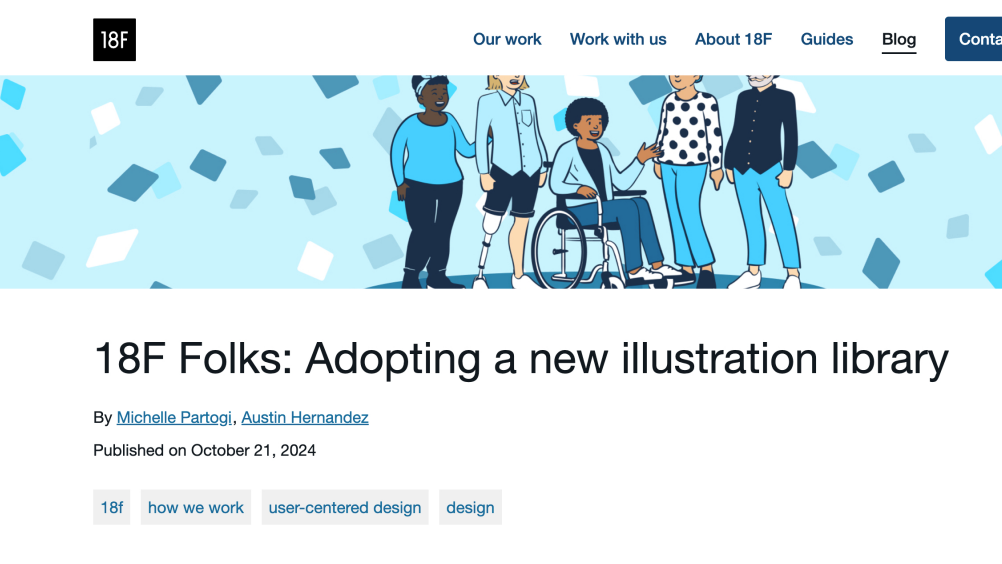
This blog describes how 18F adopted a new illustration library (“18F Folks”) based on Open Peeps, to better represent diversity, context, and human experiences in their visual communications.
This report outlines the team's achievements in enhancing state digital services through human-centered design, agile development, and cross-agency collaboration from its inception through 2024.
Colorado Governor's Office of Information Technology (OIT)
This annual report details the state’s strategic use of technology to enhance digital services, cybersecurity, equity, and efficiency across government, improving access and outcomes for all Minnesotans.
A detailed guide outlining how states can minimize coverage losses and administrative burden while implementing new Medicaid work requirements established under the 2025 federal reconciliation law.
An in-depth report that examines how states use automated eligibility algorithms for home and community-based services (HCBS) under Medicaid and assesses their implications for access and fairness.
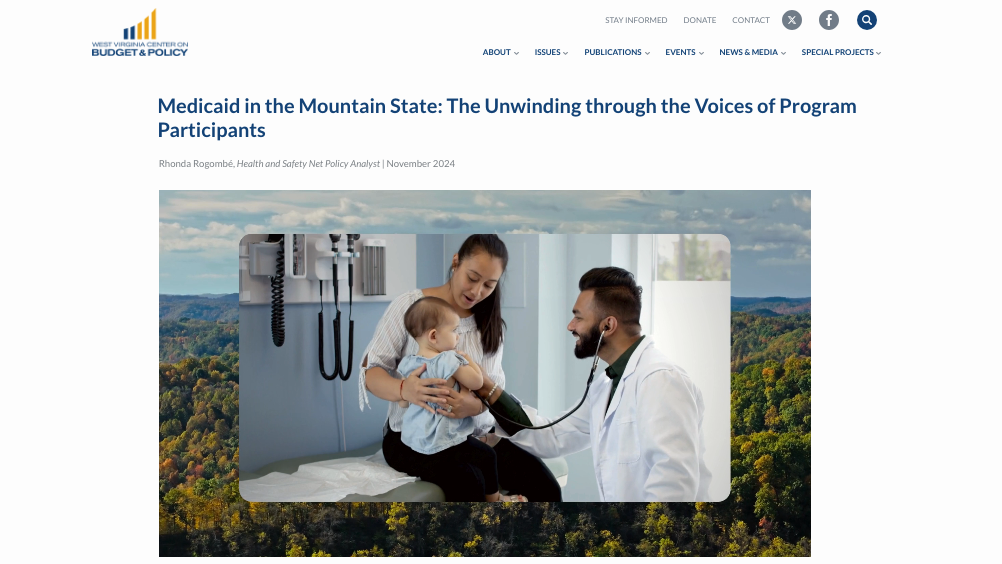
This resource examines the role of Medicaid in West Virginia and documents how the post-pandemic Medicaid “unwinding” process affected residents, highlighting participant experiences and the program’s importance for health and economic stability.
This research paper examines how stigma shapes participation in U.S. social safety net programs and influences public support for benefit design and access.
This policy establishes requirements and best practices to ensure that all digital content and services provided agencies are accessible to all users, including individuals with disabilities.
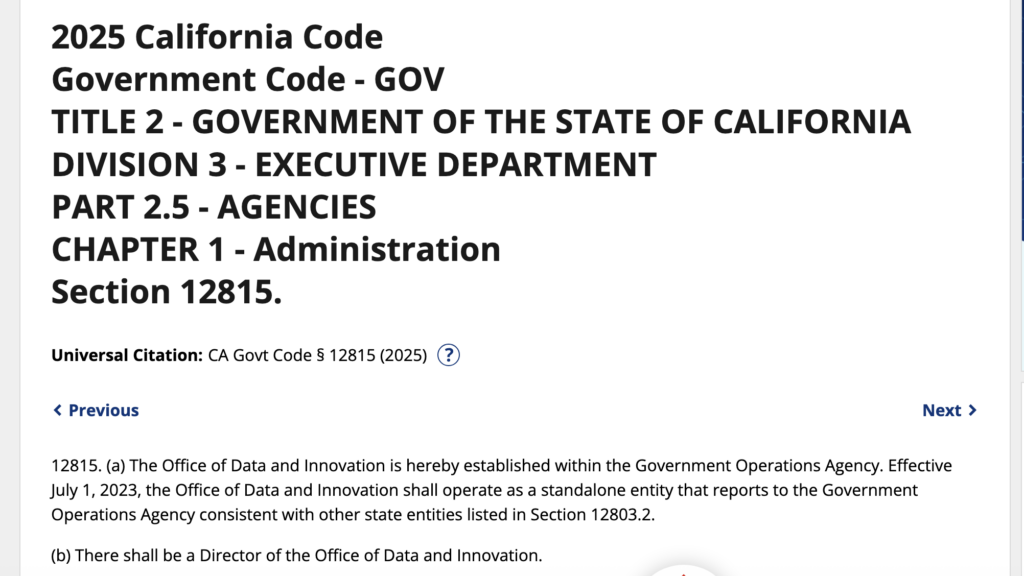
A California Government Code section establishing the Office of Data and Innovation (ODI) and authorizing it to improve digital service delivery, data governance, and modernization across state government.