A plain-language overview explaining how federal law regulates automated calls and text messages to the public, including when consent is required and who is exempt.
A summary of the initial CMS guidance (CMCS informational bulletin) on how states should implement Medicaid work reporting requirements under H.R. 1, clarifying high-level expectations and key technical points.
A guidance resource for state and local governments outlining first-step actions to prepare for compliance with the new web and mobile accessibility rule under Americans with Disabilities Act (ADA).
A FormFest profile highlighting how New York State’s design and technology teams are reimagining form creation through collaborative, human-centered design methods that simplify processes and expand participation.
This report provides guidance on building equitable and user-friendly affordable housing portals, highlighting best practices from platforms like Bloom Housing and Housing Navigator MA.
There were over 25 million Medicaid disenrollments in 2023, but national enrollment remained significantly above pre-pandemic levels at over 56 million, with notable state-level variations and near-recovery of child enrollment.
There were over 25 million Medicaid disenrollments in 2023, but national enrollment remained significantly above pre-pandemic levels at over 56 million, with notable state-level variations and near-recovery of child enrollment.
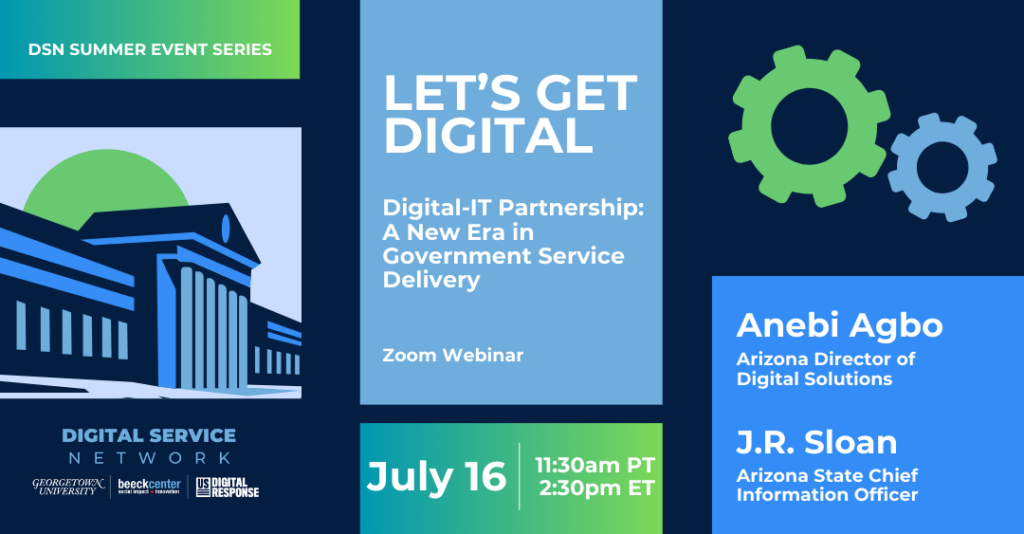
To kick off the Digital Service Network’s (DSN) summer event series, Let’s Get Digital, the DSN heard from the State of Arizona on their efforts to transform government services through a strong collaboration between information technology (IT) and digital service functions.
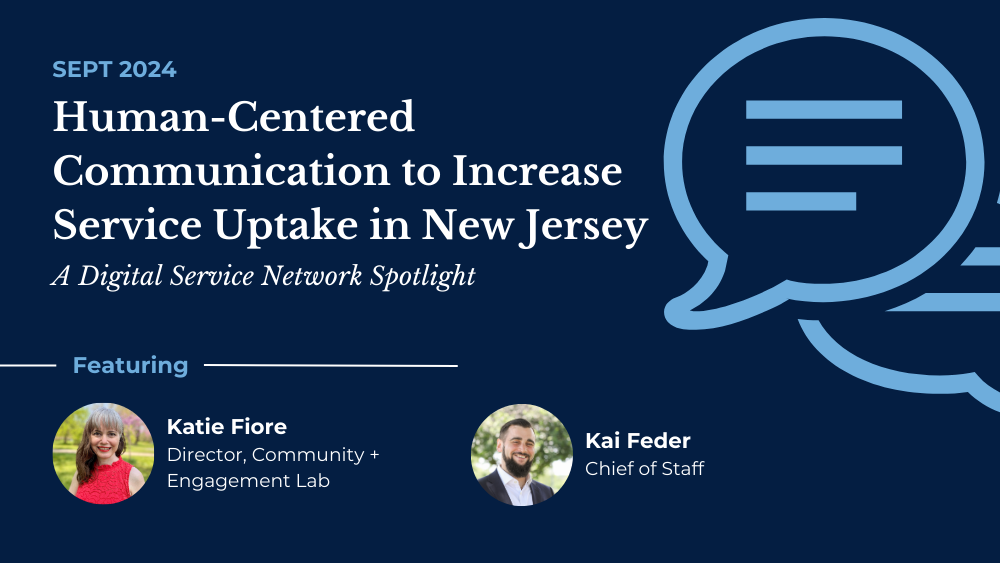
The Digital Services Network (DSN) spoke with the director of the C+E Lab, Katie Fiore, and OOI chief of staff, Kai Feder, to learn more about the C+E Lab and its ongoing role in shifting the State’s approach to using marketing to better connect residents to programs and services.