This executive order establishes Operation Hire Hawaiʻi, a statewide initiative directing agencies to prioritize local hiring, expand apprenticeship and workforce development programs, and strengthen partnerships to build a more resilient, resident-based public workforce.
This case study highlights how Illinois is modernizing its student data infrastructure and interagency data sharing to increase access to SNAP and Summer EBT benefits for eligible children and families, particularly those facing systemic barriers.
American Public Human Services Association (APHSA)
Guidance on improving how well AI systems can understand digital content. It emphasizes using machine-readable formats and applying clear content design strategies to enhance both AI processing and human accessibility
Digital IDs can improve convenience, but they risk surveillance, data misuse, and exclusion if not designed with privacy, security, and accessibility safeguards.
This guide explains how states can implement new Medicaid work requirements introduced by H.R. 1, focusing on minimizing harm to eligible clients while preparing for compliance by 2027.
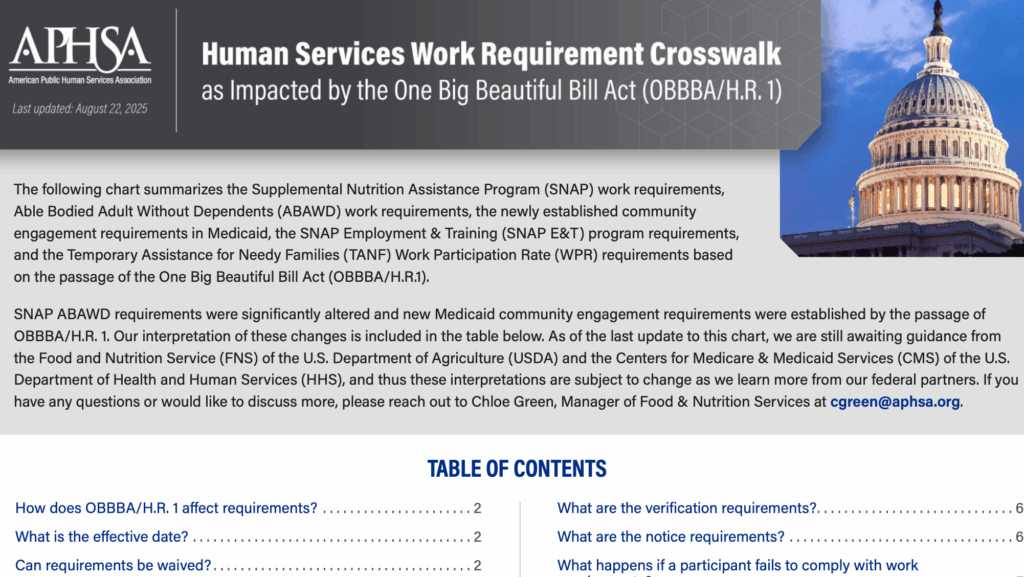
This crosswalk compares provisions in H.R. 1 with existing human services policies, focusing on how proposed federal work requirements could affect programs like TANF, SNAP, and Medicaid.
American Public Human Services Association (APHSA)
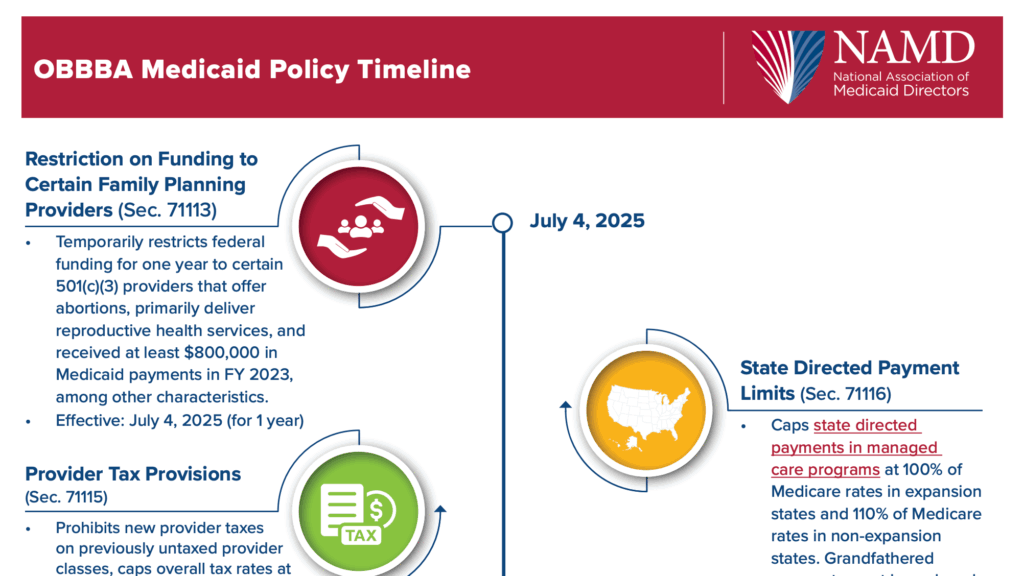
This timeline outlines key Medicaid policy changes introduced by the One Big Beautiful Bill (OBBBA / H.R. 1) with the greatest operational impact on state and territory agencies and highlights upcoming implementation deadlines.
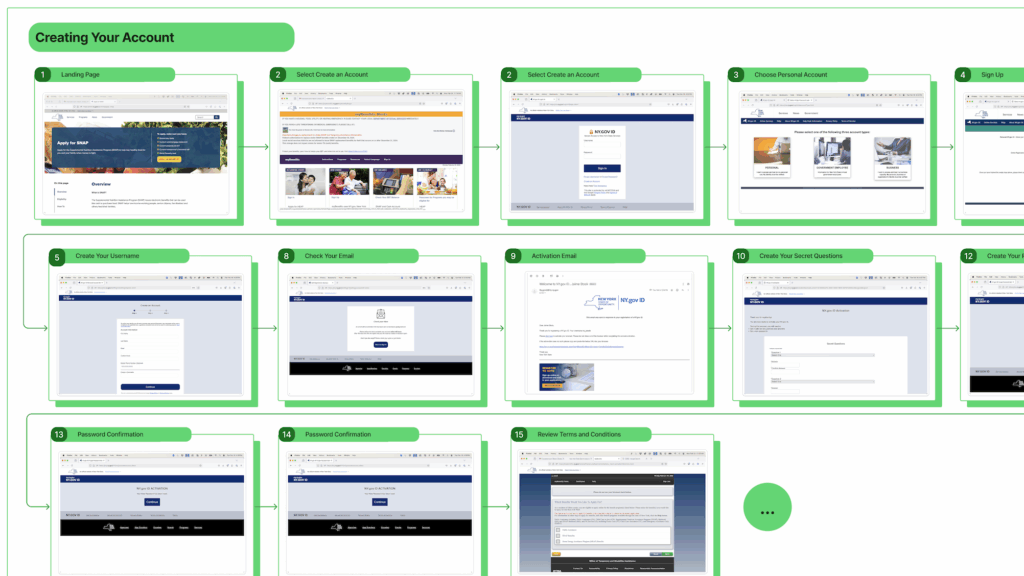
Created for use in the Digital Doorways research project, this design stimuli shows the steps of submitting an application, sharing personal information, and verifying identity for New York's integrated online application that includes SNAP and Medicaid.
The Maryland Information Technology Master Plan 2025 lays out the state’s strategy to modernize IT, expand digital services, and strengthen infrastructure to better serve residents and government agencies.
The Digital Benefits Network at the Beeck Center for Social Impact + Innovation at Georgetown University and Public Policy Lab co-hosted a webinar presenting breaking research on beneficiary experiences with digital identity processes in public benefits.
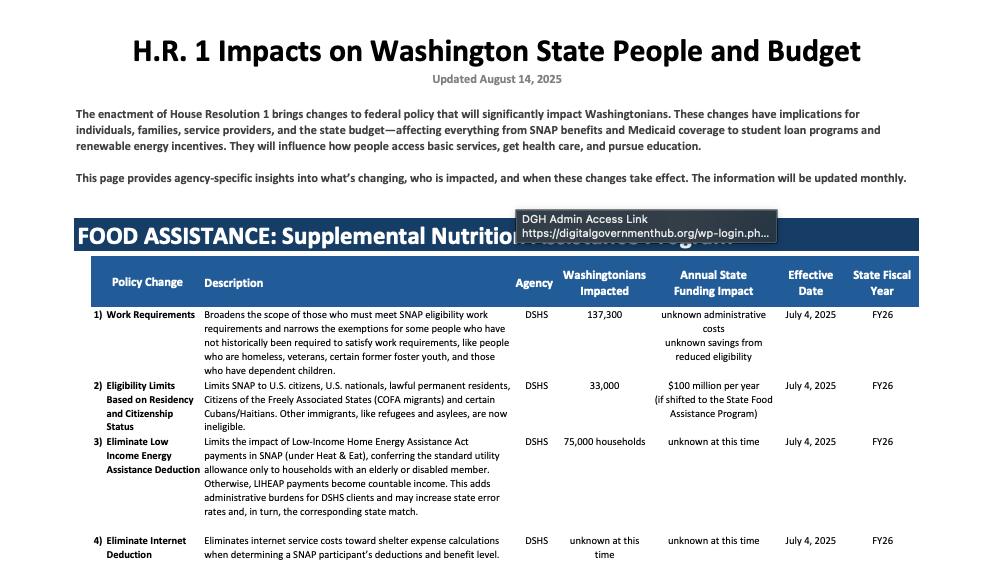
This analysis outlines how the federal H.R. 1 legislation will reshape funding, eligibility, and service delivery across key state programs—including SNAP, Medicaid, higher education, and energy—quantifying projected fiscal and human impacts across multiple agencies
Washington State Office of Financial Management (OFM)