This "Page Templates" section offers pre-built, responsive page layouts that combine various components to ensure consistent, accessible, and user-friendly experiences across Government of Canada digital services.
This report documents four experiments exploring if AI can be used to expedite the translation of SNAP and Medicaid policies into software code for implementation in public benefits eligibility and enrollment systems under a Rules as Code approach.
The report documents how grantees implemented specialized Transitional Living Programs for LGBTQ youth and young adults aging out of foster care, highlighting approaches, challenges, and lessons learned.
This course provides Head Start program leaders with strategies and tools to foster inclusive environments for LGBTQIA2S+ individuals within their programs.
U.S. Department of Health and Human Services (HHS)
This report offers best practices for public agencies implementing digital identity verification, emphasizing privacy, equity, and security in the delivery of government services.
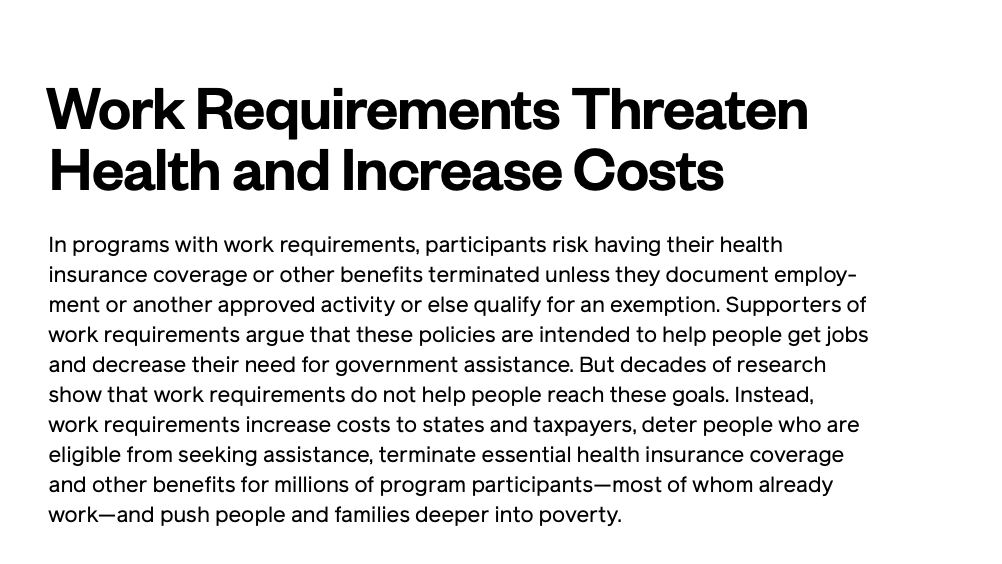
A research brief explaining how work requirements in programs like Medicaid and SNAP reduce coverage, increase administrative costs, and push eligible people deeper into poverty without improving employment outcomes.
This framework provides voluntary guidance to help employers use AI hiring technology in ways that are inclusive of people with disabilities, while aligning with federal risk management standards.
This resource page provides comprehensive information on the state's initiatives, policies, training, and governance related to the adoption and implementation of generative AI technologies in government operations.