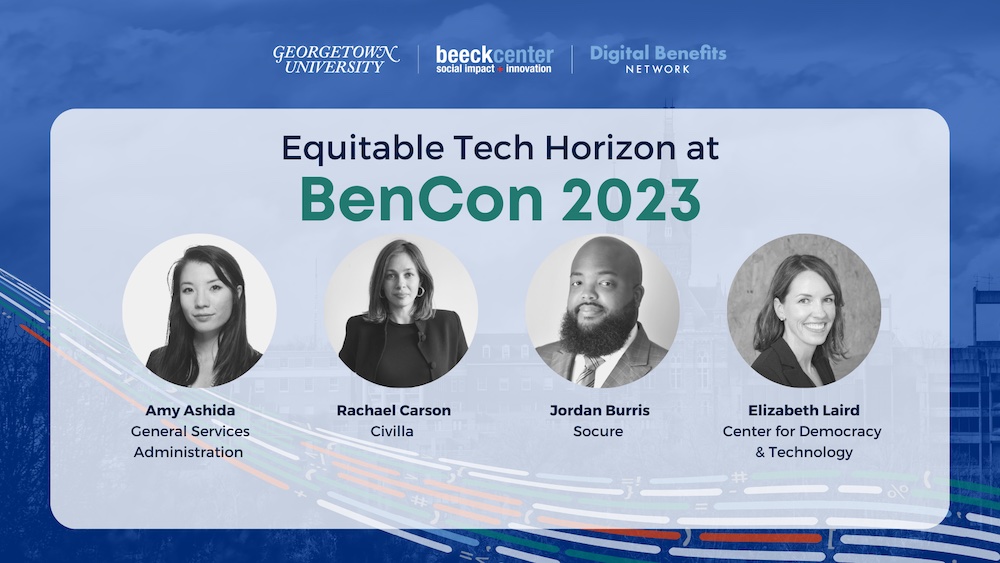
Hear perspectives on topics including centering beneficiaries and workers in new ways, digital service delivery, digital identity, and automation.This video was recorded at the Digital Benefits Conference (BenCon) on June 14, 2023.
This resource describes how different agencies have updated their systems to increase online and mobile access to benefits information and applications, including using text messages to share benefits information with residents.
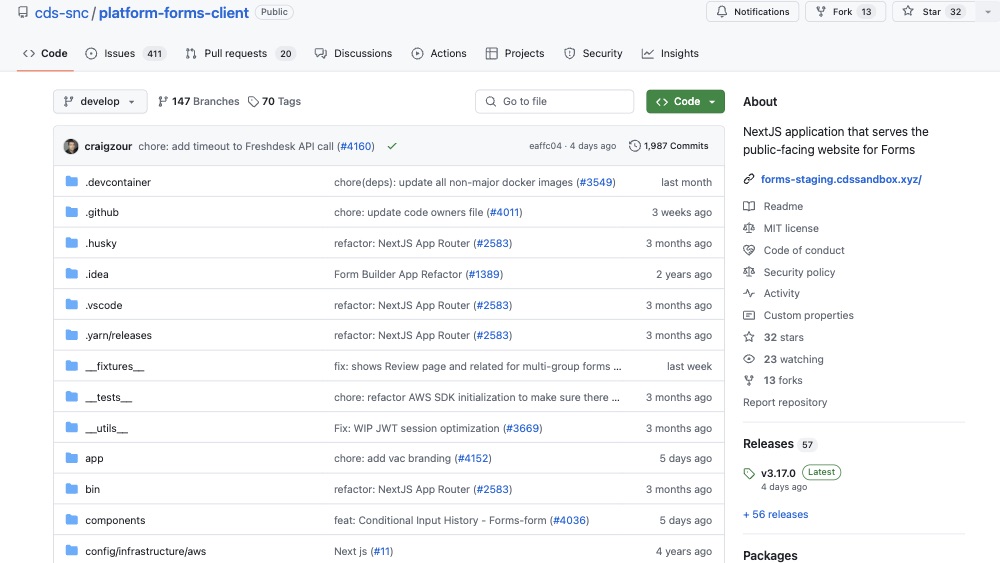
Handbook by 18F designed for executives, budget specialists, legislators, and other “non-technical” decision-makers who fund or oversee state government technology projects that receive federal funding and implement the necessary technology to support federal programs. It aids in setting projects up for success by asking the right questions, identifying the right outcomes, and equally important, empowering decision-makers with a basic knowledge of the fundamental principles of modern software design.
This guidebook aims to equip state and local agencies with the practical insights they need to develop a text messaging outreach program for SNAP recertification.
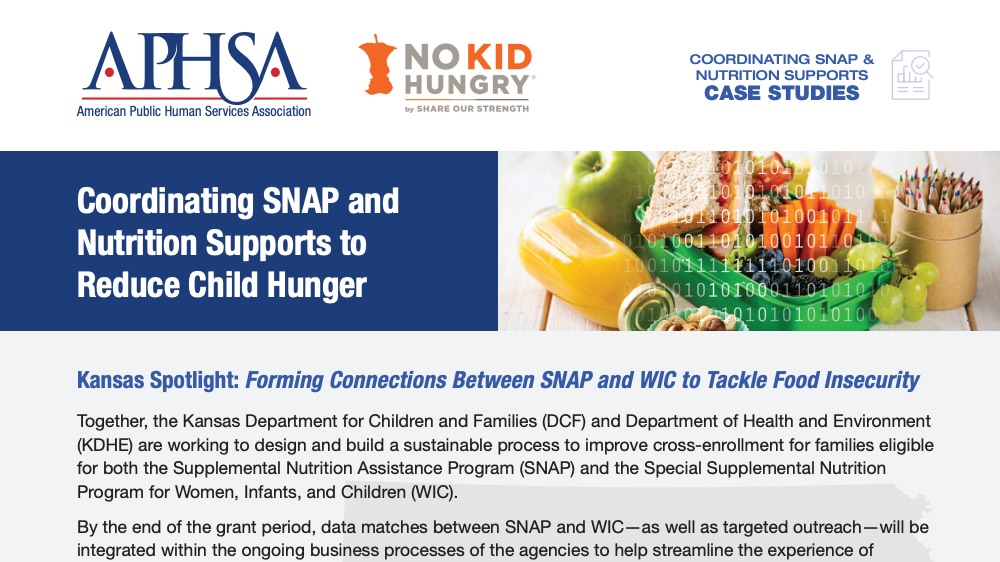
Together, the Kansas Department for Children and Families (DCF) and Department of Health and Environment (KDHE) are working to design and build a sustainable process to improve cross-enrollment for families eligible for both the Supplemental Nutrition Assistance Program (SNAP) and the Special Supplemental Nutrition Program for Women, Infants, and Children (WIC). This report outlines how Kansas will integrate data matches between SNAP and WIC—as well as targeted outreach— within the ongoing business processes of the agencies to help streamline the experience of accessing nutrition supports for clients. These functions will contribute to the agencies’ shared goal of reducing rates of food insecurity in Kansas.
American Public Human Services Association (APHSA)
This study examines how bureaucratic interactions differ among public assistance programs—WIC, SNAP, and Medicaid—highlighting variations in participant experiences and the psychological costs associated with each.
This article examines how outdated state unemployment insurance (UI) systems struggled during the COVID-19 pandemic, leading to delays, technical failures, and widespread frustration for job seekers.
This article explores how anticipatory logics—drawing from foresight, futures thinking, and design—are shaping the future of government by creating space for innovative policy approaches, public participation, and proactive governance.
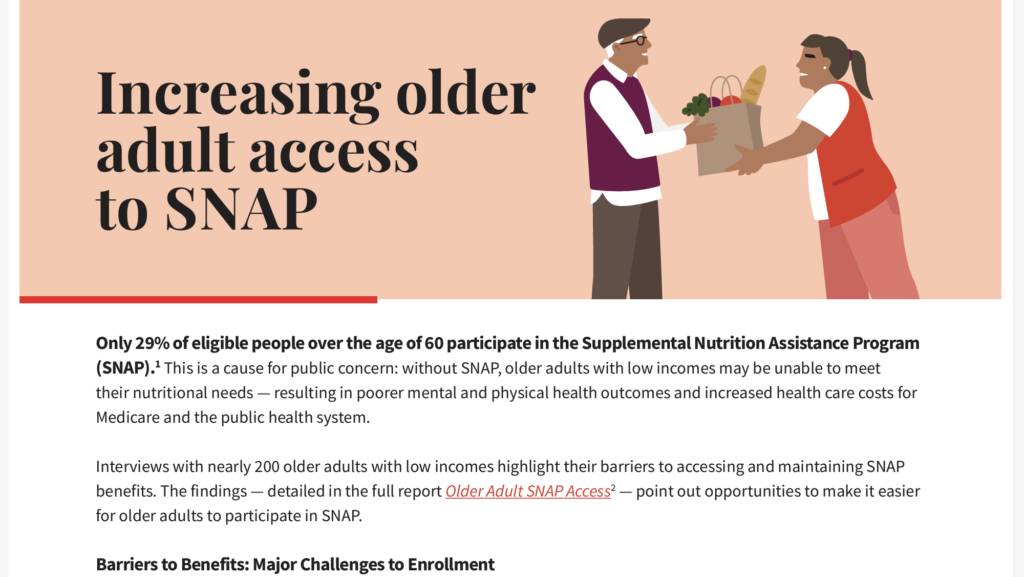
This brief highlights the complex journey that older adults experience when applying for and enrolling in SNAP, including the major barriers and solutions that improve access along the way.