Do you have good communication and customer service skills? The Governor's Office of Administration is seeking a quality engineer, code PA to join our growing and innovative Commonwealth Office of Digital Experience PA team! This position is responsible for ensuring that products meet or exceed customer expectations for quality and reliability. We want to hear from you! Apply today!
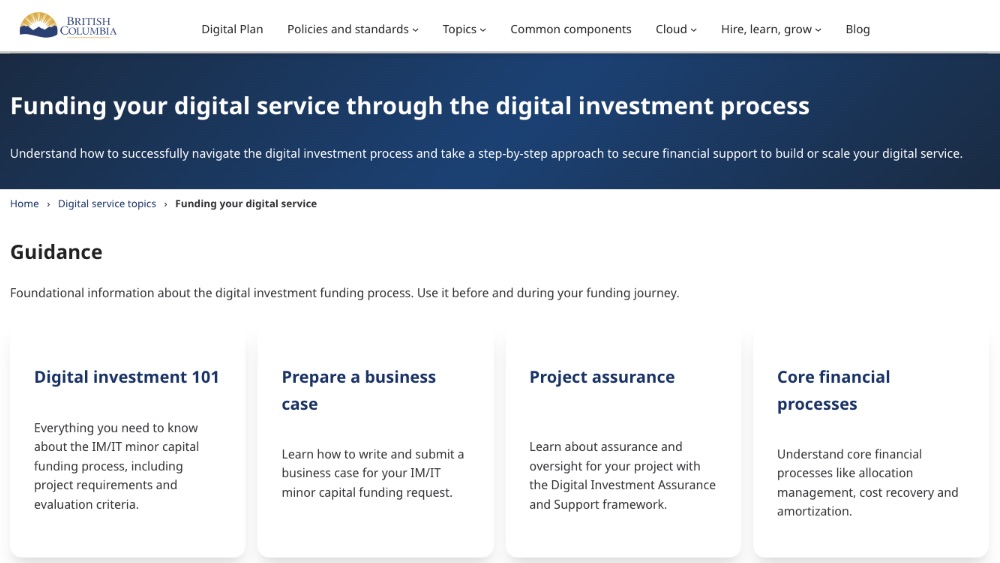
Summary website created by the British Columbia Digital Office about successfully navigating the digital investment process and take a step-by-step approach to secure financial support to build or scale your digital service.
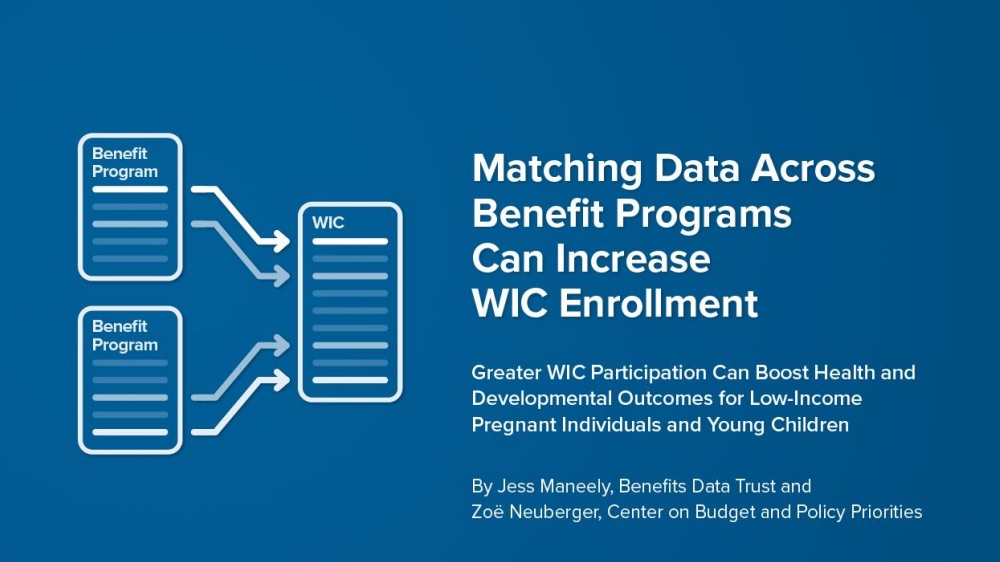
This case study highlights how states used data sharing and targeted outreach to boost WIC enrollment among Medicaid and SNAP participants, improving program reach and reducing disparities.
This guide provides practical insights for benefits administrators on redesigning benefits systems using human-centered design to ensure all eligible residents can access crucial social safety net resources.
The Hawai‘i Department of Human Services (DHS), in partnership with the Hawai‘i Department of Health (DOH) and the Children’s Healthy Living Center of Excellence (CHL Center) at the University of Hawai‘i at Mānoa, is building foundational capacity to share and analyze administrative data across the SNAP (Supplemental Nutrition Assistance Program) and the Special Supplemental Nutrition Program for Women, Infants and Children (WIC). This groundwork will enable Hawai‘i to increase access to nutrition support programs, in alignment with Hawai‘i’s ‘Ohana Nui framework, which aims to dismantle intergenerational poverty.
American Public Human Services Association (APHSA)
A modern system that helps people learn about, apply for, and gain access to affordable housing. Bloom Housing is an open source platform that digitizes the process of finding and applying for affordable housing, turning a time-consuming paper process into a 15 minute activity from one's smartphone or computer.
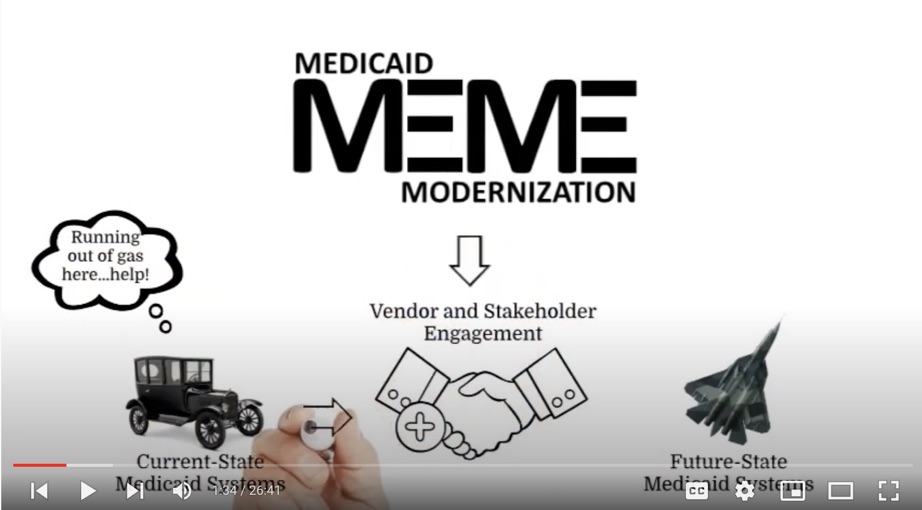
This artifact is a telestration video introducing Iowa Medicaid's Medicaid Enterprise Modernization Effort (MEME) initiative, providing vendors with background information and strategic outcome priority goals to elicit feedback from the vendor community via Request for Information (RFI).
A report from the State of California presenting an initial analysis of where generative AI (GenAI) may improve access of essential goods and services.