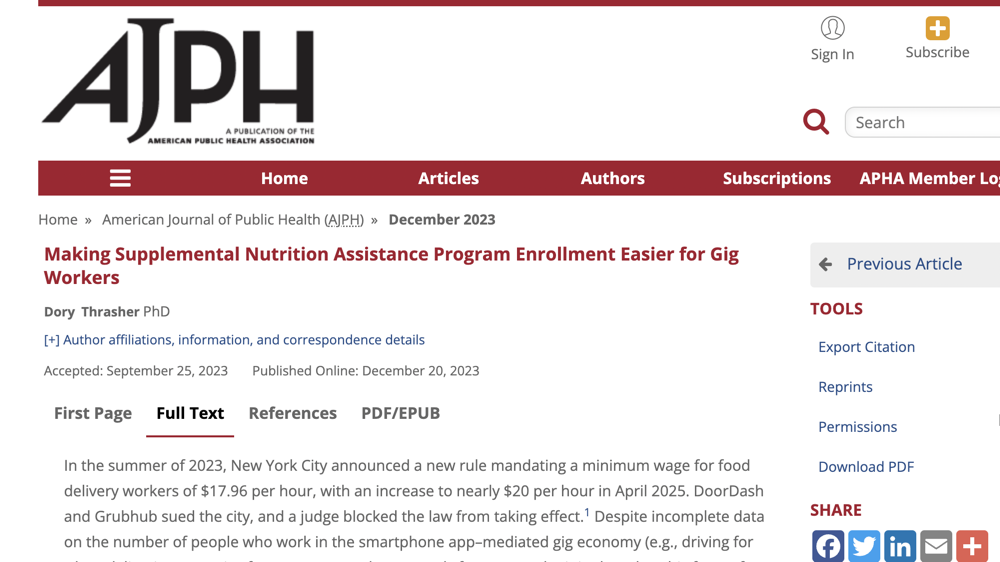
This page describes the agency’s investments in digital tools and services aimed at reducing friction in how people find, apply for, and maintain eligibility for federal benefits.
Best practices for procuring and developing accessible tools that utilize artificial intelligence (AI) and how to ensure that they are in compliance with the Web Content Accessibility Guidelines (WCAG) 2.1 Level A and Level AA.
The Commonwealth of Massachusetts Executive Office of Technology Services and Security (EOTSS)
This annual report highlights the department’s progress in expanding broadband access, enhancing cybersecurity, modernizing IT services, and promoting digital equity across the state.
North Carolina Department of Information Technology (NCDIT)
This user guide provides step-by-step instructions for families in Iowa to find licensed child care providers online based on location, schedule, and program preferences.
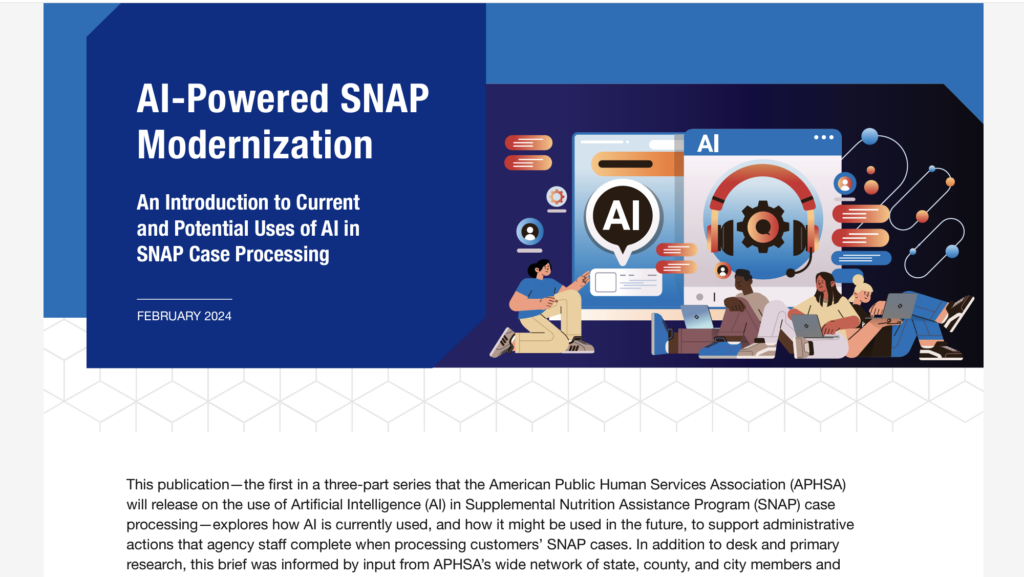
This report explores how AI is currently used, and how it might be used in the future, to support administrative actions that agency staff complete when processing customers’ SNAP cases. In addition to desk and primary research, this brief was informed by input from APHSA’s wide network of state, county, and city members and national partners in the human services and related sectors.
American Public Human Services Association (APHSA)
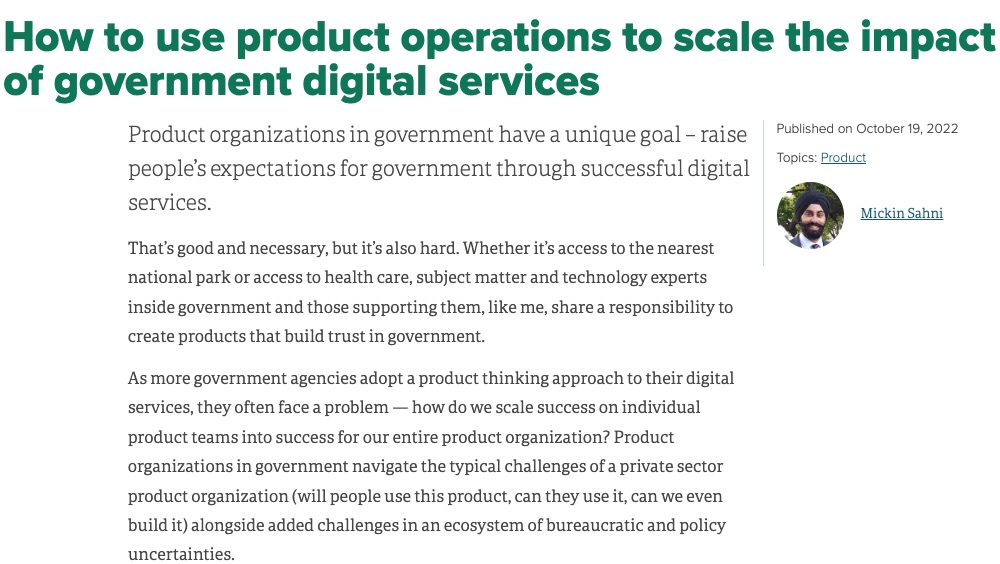
Ad Hoc has found that product operations can help scale impact by putting objective indicators at the center of product decision-making. The team has seen success in supporting product thinking at agencies like the Department of Veterans Affairs (VA), where they made it easier for Veterans to access employment and education assistance and for caregivers to receive needed support.
This is a job description for the role of Associate Director, Programs and Evaluation from the New York City Mayor's Office for Economic Opportunity (NYC Opportunity).
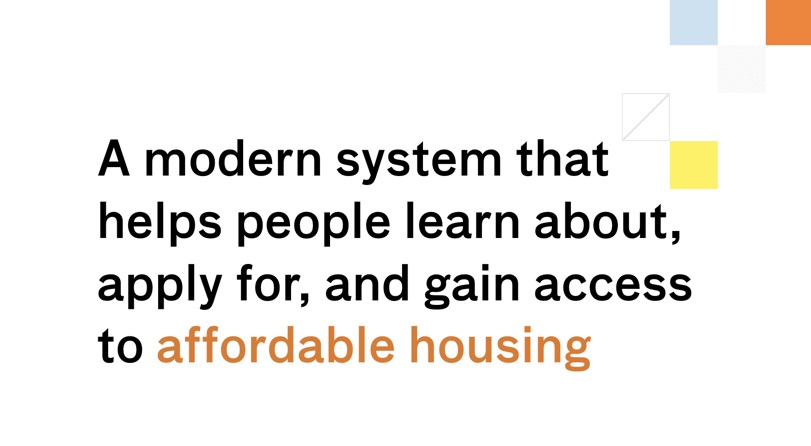
A modern system that helps people learn about, apply for, and gain access to affordable housing. Bloom Housing is an open source platform that digitizes the process of finding and applying for affordable housing, turning a time-consuming paper process into a 15 minute activity from one's smartphone or computer.