This video demonstrates how to use Iowa's Child Care Connect (C3), a centralized data system that integrates near-real-time child care data to support families, providers, policymakers, and economic development efforts across the state.
This guide introduces privacy-enhancing technologies (PETs) and provides practical guidance for government agencies on selecting and implementing them to securely use, share, and protect sensitive data.
This guide outlines ethical frameworks and best practices for responsibly collecting and using demographic and other sensitive data to build equitable digital products.
This is a government catalog of reusable digital service components, templates, and patterns designed to help public sector teams build services more efficiently and consistently.
A comprehensive assessment that maps how artificial intelligence is currently being used, governed, and managed across local, state, and federal governments in the United States.
This research paper examines how stigma shapes participation in U.S. social safety net programs and influences public support for benefit design and access.
This policy establishes requirements and best practices to ensure that all digital content and services provided agencies are accessible to all users, including individuals with disabilities.
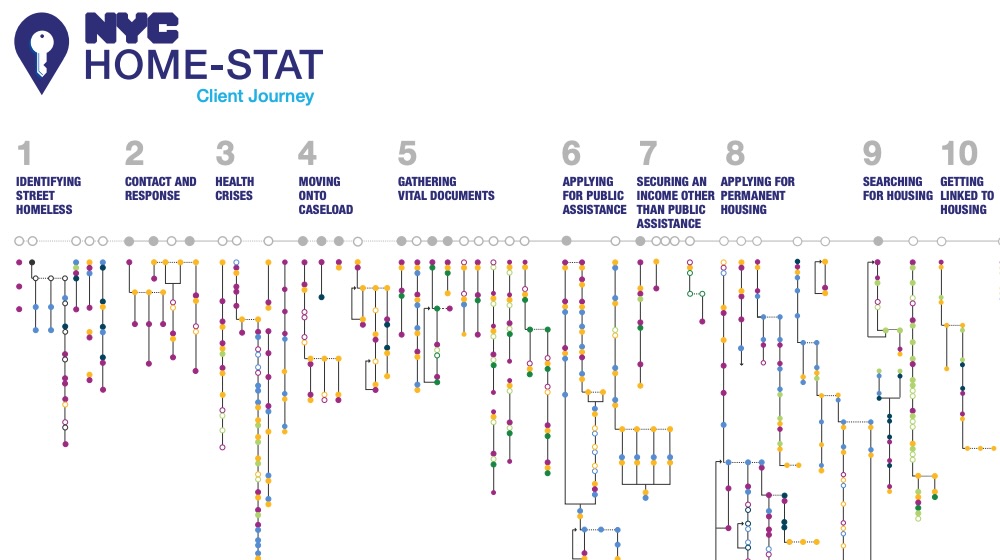
This overview journey map of street homeless outreach reflects the complexity of the service journey from first contact on street to placement in permanent housing.