An on-demand webinar showing how counties can design, fund, and measure local wage boost pilots to strengthen the child care workforce and support economic participation.
This case study documents how Civilla partnered with the Michigan Department of Health and Human Services (MDHHS) to redesign and modernize online enrollment for the state’s largest benefit programs.
The article highlights the growing issue of SNAP benefit theft through skimming and advocates for permanent security measures and benefit replacements to protect vulnerable households.
The National Health Law Program released an updated Guide to Modified Adjusted Gross Income, including sections on ACA tax filing and reporting, clarification on commonly asked questions about Social Security Income, and updated IRS tax filing thresholds.
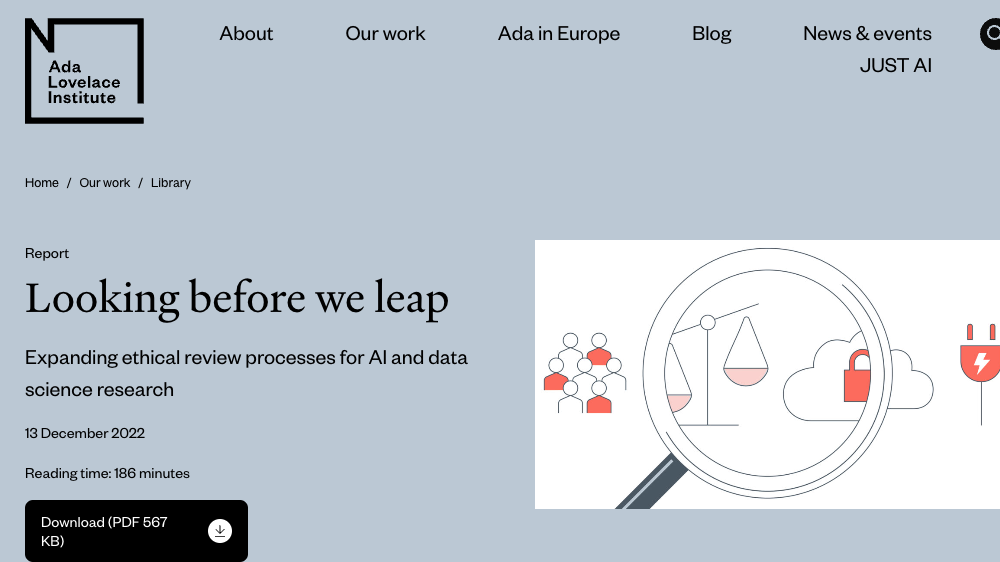
This report explores the role that academic and corporate Research Ethics Committees play in evaluating AI and data science research for ethical issues, and also investigates the kinds of common challenges these bodies face.
In this updated primer, the DBN introduces the concept of digital identity, and provides brief snapshots of digital identity-related developments internationally and in the U.S.
Key functionalities and design elements recommended for creating effective online WIC applications, focusing on usability, accessibility, and compliance to improve participant experience and streamline agency operations.
This report warns that federal data collection is being undermined by budget cuts, political interference, and leadership changes that threaten the reliability of core economic and social statistics.