This user guide provides step-by-step instructions for families in Iowa to find licensed child care providers online based on location, schedule, and program preferences.
This blog post describes how the NYC Service Design Studio engaged residents in the development of the Community Compensation Fund, highlighting lessons on trust-building, equitable collaboration, and inclusive community decision-making.
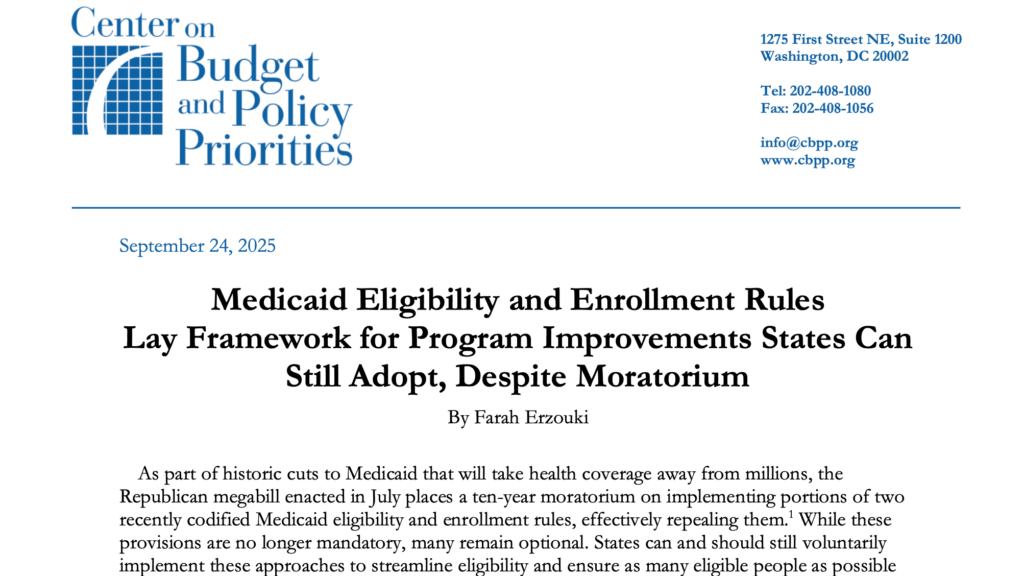
This report explains how states can continue to voluntarily implement key Medicaid and CHIP eligibility and enrollment improvements—originally required by two federal rules—despite a ten-year moratorium enacted in July 2025 that blocks their mandatory enforcement
Recapping the work and achievements of the Digital Benefits Network (DBN), Digital Service Network (DSN), and the State Chief Data Officers Network (CDO) in 2025.
Led by the Digital Benefits Network in partnership with Public Policy Lab, the Digital Doorways research project amplifies the lived experiences of beneficiaries to provides new insights into people’s experiences with digital identity processes and technology in public benefits. This executive summary gives an overview of the project’s findings.