Intended Audience: Local/Municipal Government: Agency
-
OpenFisca: Write rules as code
OpenFisca provides a syntax for writing Rules as Code.
-
Head of Product Management
This is a job description for the role of Head of Product Management from the Canadian Digital Service (CDS).
-
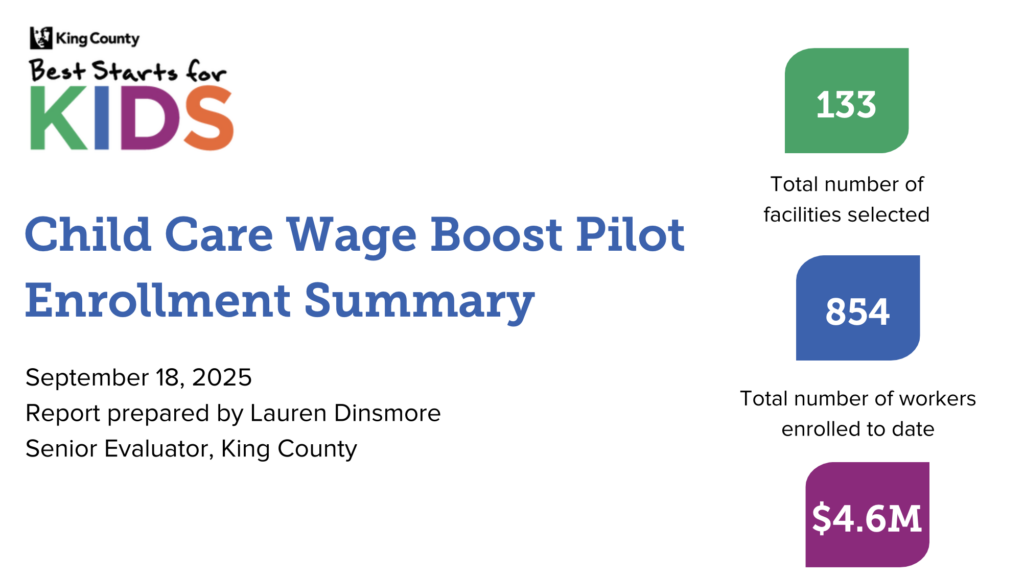
Learn about the child care workers enrolled in the Best Starts for Kids Child Care Wage Boost Pilot
A data snapshot summarizing enrollment, participation, and early characteristics of workers and facilities participating in a child care wage boost pilot.
-
Before the Research: Rethinking Internal Government Forms
Explore how improving internal forms can unlock more agile government, with a focus on New York City's research forms.
-
Senior Agile Delivery Manager (Partnerships)
This is a job description for the role of Senior Agile Delivery Manager (Partnerships) from the Canadian Digital Service (CDS).
-
Product Manager (IT Specialist)
This is a job description for the role of Product Manager (IT Specialist) from the 18F.
-
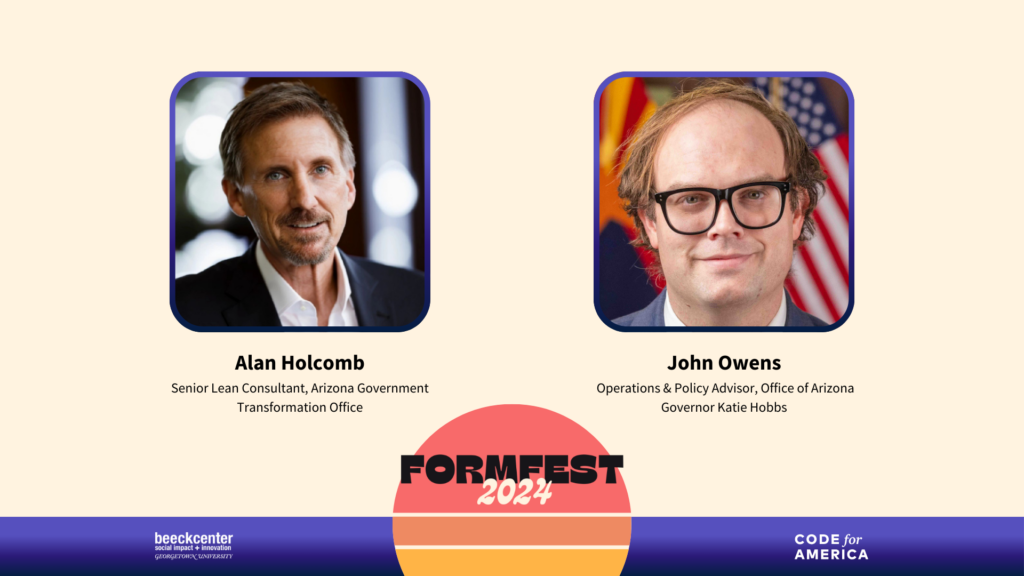
A Full-On Form Frenzy: A FormFest 2024 Profile
A profile on FormFest speakers Alan Holcomb and John Ownes, featuring stories about their motivations for working on public sector form innovation.
-
The Six Ways We Help You Avoid Website Risks
Short guidelines to help entities understand how the City of Seattle Information Technology's Digital Engagement Team can help avoid website risks.
-
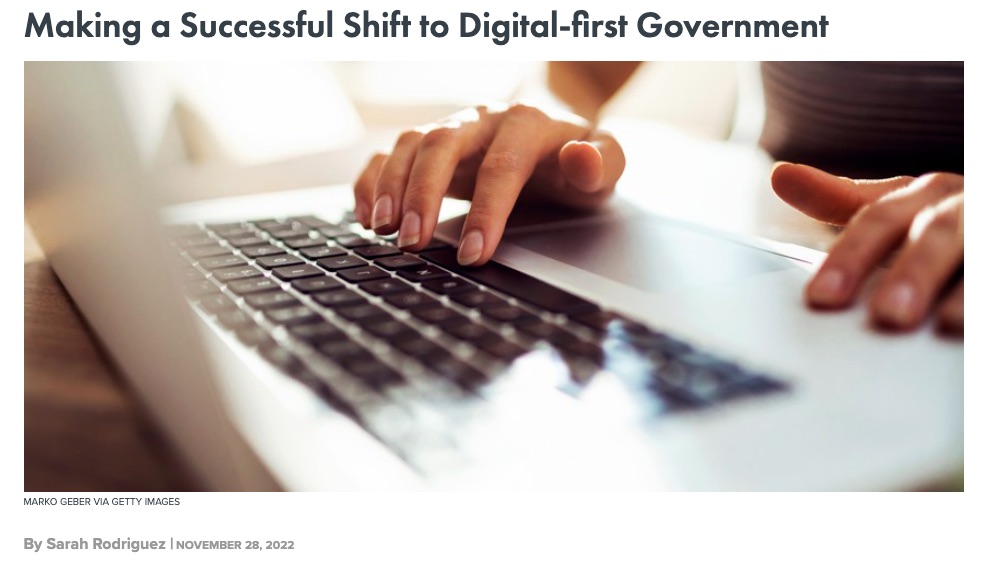
Making a Successful Shift to Digital-first Government
As they transition to providing more services online, there are ways governments can get creative working around talent shortages and entrenched bureaucracies.
-
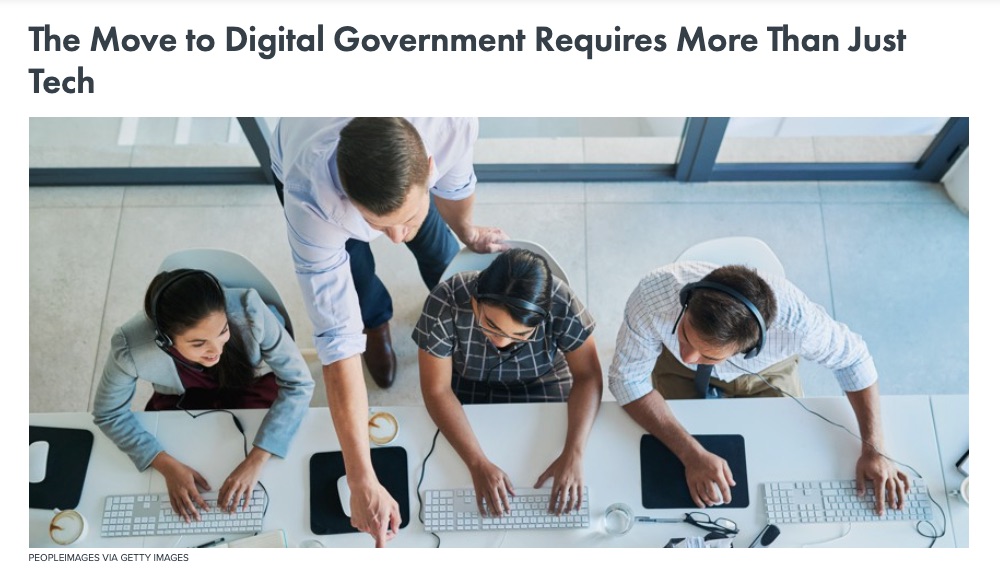
The Move to Digital Government Requires More Than Just Tech
Processes, power and people are also crucial elements.
-
Temp Software Developer (Covid Alert Portal)
This is a job description for the role of Temp Software Developer (Covid Alert Portal) from the Canadian Digital Service (CDS).
-
Making Government Services Inclusive for LGBTQ+ People
Blog post authored by U.S. Digital Response discussing best practices for creating inclusive, accessible, and affirming government services for LGBTQ+ populations gleaned from their recent work in the City of Boston.