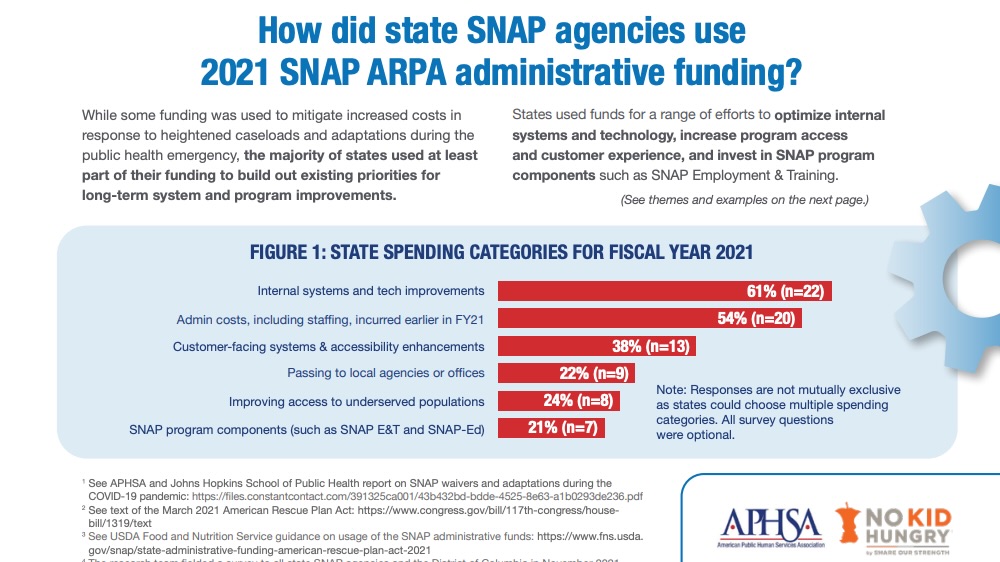
This brief shares findings from a November 2021 survey of state SNAP agencies about their use of the SNAP ARPA funds in fiscal year 2021, and their initial planned activities for fiscal year 2022 and 2023.
American Public Human Services Association (APHSA)
This study highlights a 2.2% increase in citizen satisfaction with federal services, reaching a seven-year high, driven by improvements in digital experiences, government processes, and complaint handling.
This guide provides a detailed overview summarizing the many initiatives and activities from Congress, the White House, federal agencies, and coalitions which may impact the digital identity landscape in the United States, including at state, local, Tribal, and territorial levels.
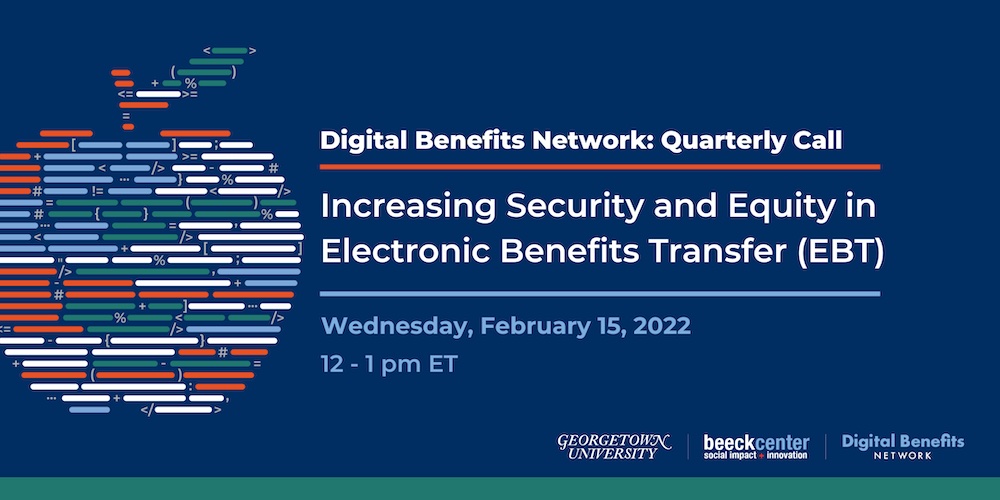
In this webinar, a panel of experts discuss what states can do right now to improve EBT security, how to use data to analyze theft patterns, and how EBT payment technology needs to evolve to ensure efficiency, security, and dignity for beneficiaries.
This report analyzes the current state of digital identity in the United States, outlines challenges such as privacy concerns, fragmented systems, and lack of standards, and proposes policy and technology solutions to build a secure, interoperable, and user-friendly national digital identity framework.
Information Technology & Innovation Foundation (ITIF)
The toolkit provides strategies for state and local WIC agencies to enhance enrollment by utilizing data from Medicaid and SNAP for cross-program data matching and targeted outreach.