This article examines how Chile’s SUSESO is balancing cost-focused procurement criteria with ethical AI concerns in its medical claims automation process.
This issue brief examines how H.R. 1’s enactment delays implementation of two key Medicaid eligibility rules—one for Medicare Savings Programs (MSPs) and one for general Medicaid/CHIP enrollment and renewal—and the effects of that delay.
Through our research understanding the government digital service field and what workers in this field need, we want to help strengthen those existing roles and establish more pathways for promotion and career support, as well as help other teams recognize the value of these skills and create new roles.
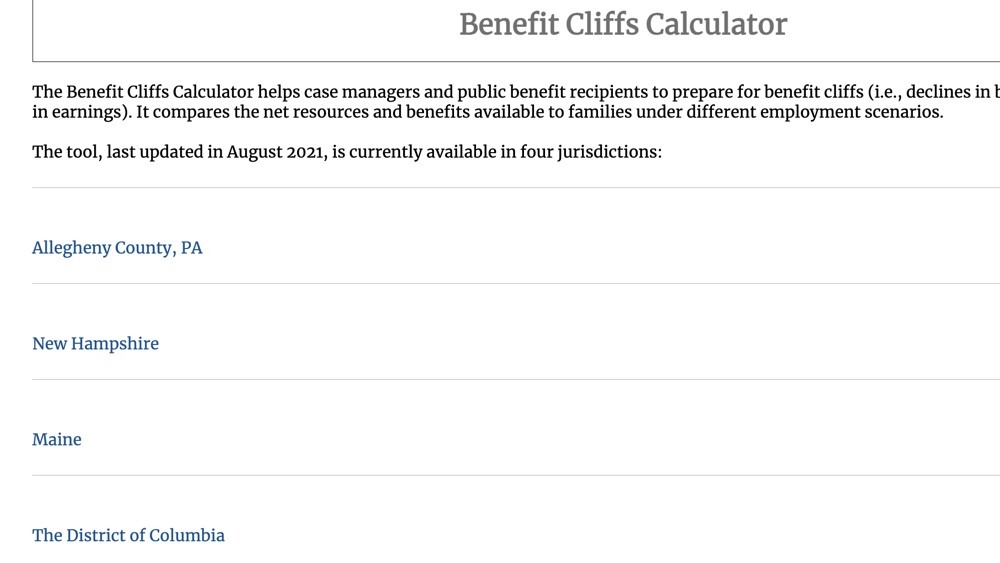
The Benefit Cliffs Calculator helps case managers and public benefit recipients to prepare for benefit cliffs (i.e., declines in benefits due to an increase in earnings). It compares the net resources and benefits available to families under different employment scenarios.