A comprehensive guide that provides role definitions, hiring guidance, interview materials, and evaluation rubrics for building effective UX design and research teams.
This site contains resources explaining the 2025 Working Families Tax Cut Act (WFTC) — formally Public Law 119-21, which changes eligibility, financing, and community-engagement requirements for Medicaid and Children’s Health Insurance Program (CHIP).
A curated toolkit of plain-language writing resources, training, and guidance aimed at helping government and public-service staff create accessible, easily understood communications.
A blog post outlining key strategies states can use to lower SNAP payment error rates, a priority given new fiscal penalties tied to error rates under recent federal law.
Recapping the work and achievements of the Digital Benefits Network (DBN), Digital Service Network (DSN), and the State Chief Data Officers Network (CDO) in 2025.
An overview video describing the Digital Identity Risk Management process outlined in NIST's Digital Identity Guidelines, which organizations can use to develop a risk-based approach to identity management.
This resource provides state agencies and their implementation partners with context on how and why to conduct a Digital Identity Risk Management (DIRM) process, as well as a new spreadsheet-based tool to guide agency teams through the process.
A practical how-to guide explaining how agencies can use a streamlined small-business contracting pathway to quickly procure digital services and pilot modern delivery approaches.
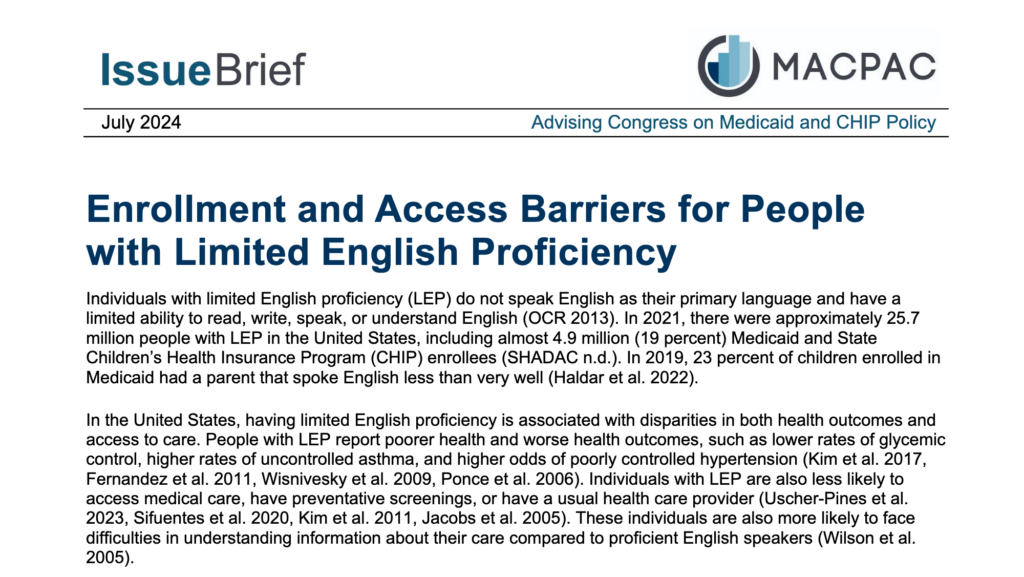
This issue brief examines how limited English proficiency creates barriers to enrolling in and accessing Medicaid and CHIP, and how states provide language access services to address these challenges.
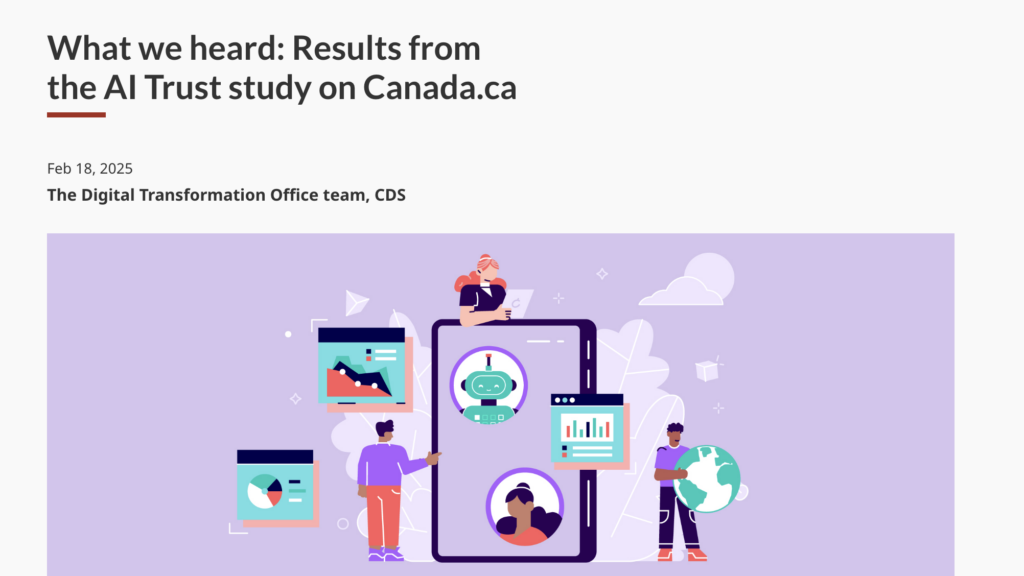
A public summary of findings from an AI trust study showing how Canadians perceive and trust different AI designs on the official government website, particularly preferring custom, transparent AI experiences over general third-party AI tools.
A guidance page explaining how government teams should evaluate and use commercial-off-the-shelf (COTS) products and services when building digital public services.