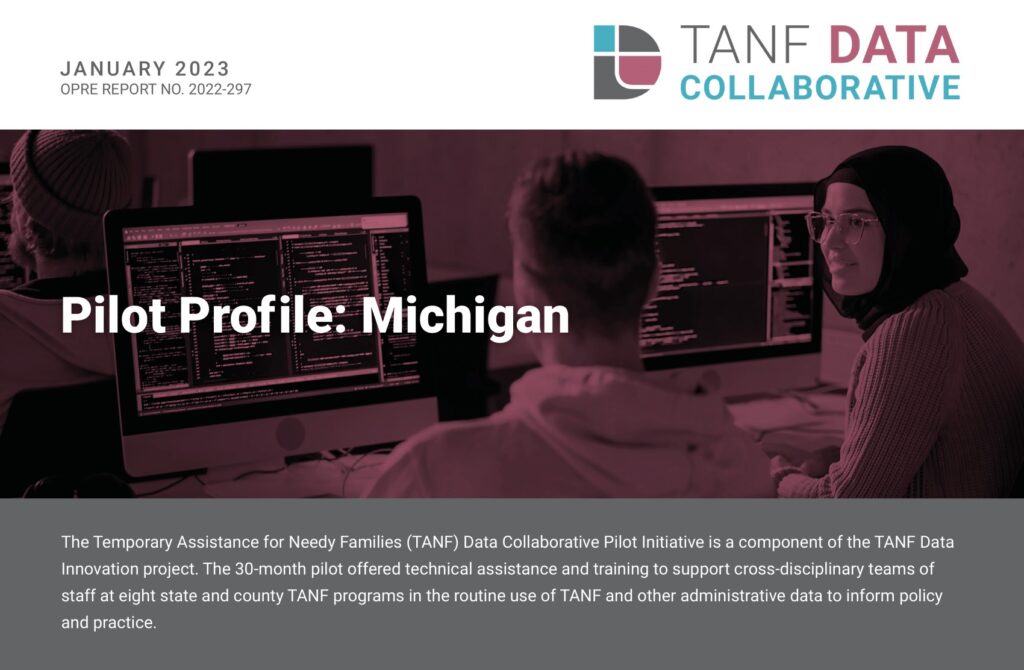
This brief describes the TANF Data Collaborative (TDC), an innovative approach to increasing data analytics capacity at state Temporary Assistance for Needy Families (TANF) agencies.
This study examines how the 2021 expansion of the Child Tax Credit (CTC) influenced housing affordability and living arrangements for low-income families.
The article discusses effective strategies for training government partners in digital services, emphasizing the importance of prioritizing training, setting clear objectives, and fostering mutual understanding and trust.
A playbook by AdHoc for agencies ready to replace enterprise software patterns with proven techniques from the world of commercial software. These plays can better equip teams with the practices that create resilient, flexible, and customer-friendly digital services.
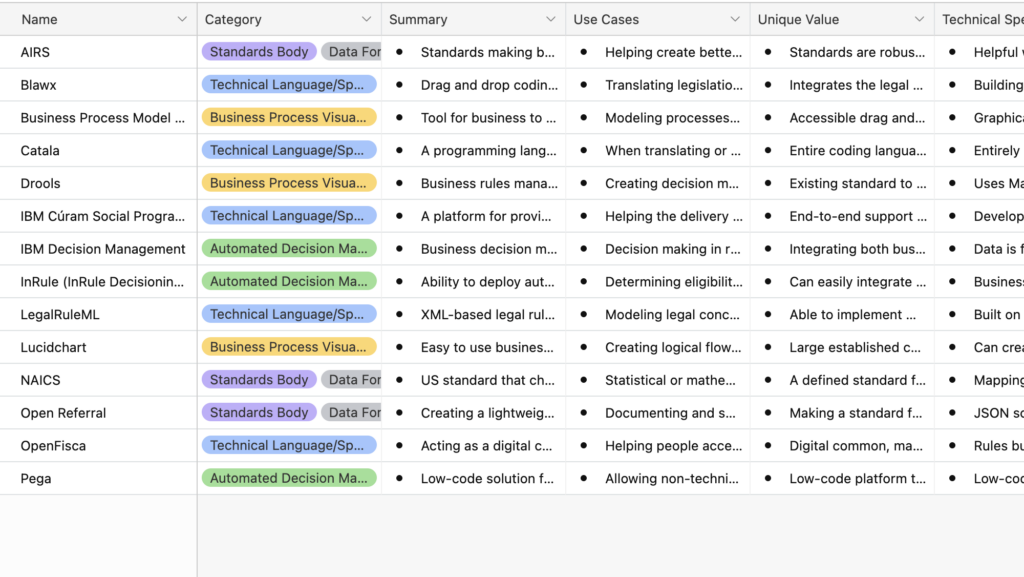
There are frameworks available that could inform the standardization of communicating rules as code for U.S. public benefits programs. The Airtable communicates the differences between the frameworks and tools. Each entry is tagged with different categories that identify the type of framework or tool it is.
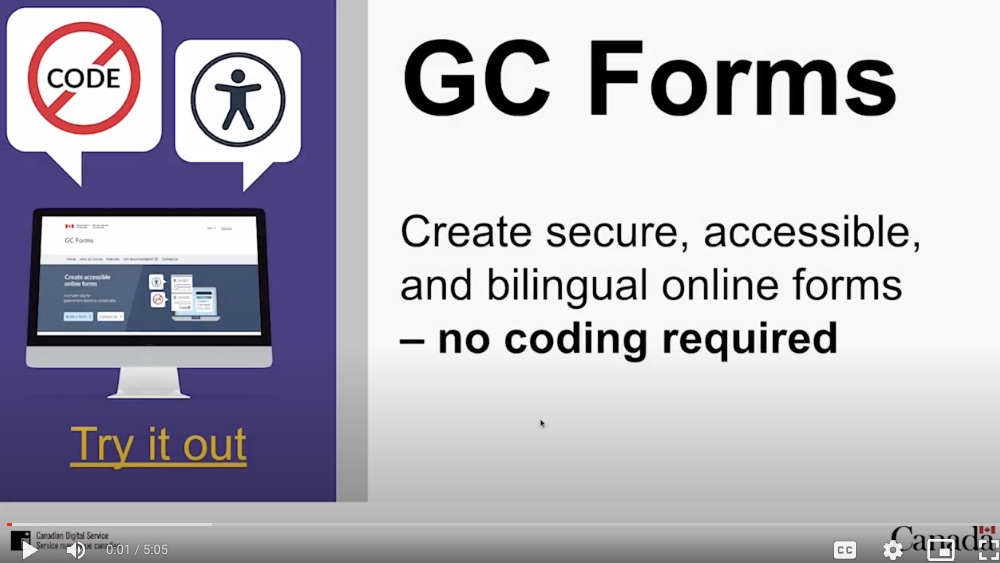
This session from FormFest 2024 focuses on accessibility, featuring British Columbia’s work to improve legal form usability and tips from the Wisconsin Department of Public Instruction on making forms more accessible overall.