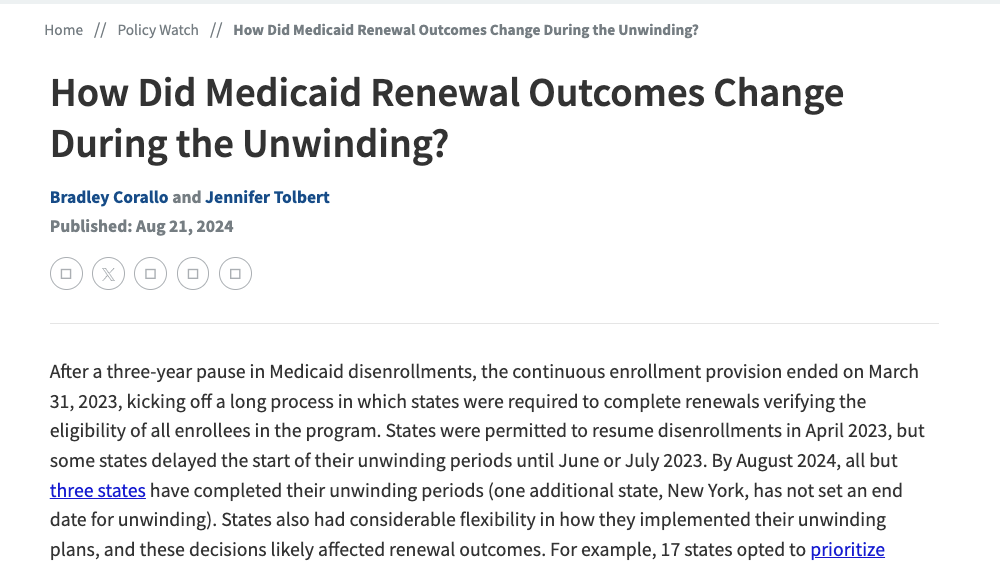
Post-Medicaid continuous enrollment's end in March 2023, states faced renewal challenges through August 2024, seeing improved auto-renewals but persistent procedural disenrollments despite outreach and intervention.
This interview template includes questions designed to help teams conduct exploratory, semi-structured interviews with government stakeholders involved in program delivery to gather information that can help them evaluate the status quo of digital delivery in their organization.
This report calculates the cumulative impact of major benefit programs on two types of families and how their benefits change as they move into the labor market and climb the ladder of upward mobility.
This paper outlines the need for comprehensive reforms to improve the U.S. government's capacity to effectively implement policies, focusing on reducing bureaucratic inefficiencies, enhancing workforce structures, and leveraging digital infrastructure.
This article examines how Chile’s SUSESO is balancing cost-focused procurement criteria with ethical AI concerns in its medical claims automation process.
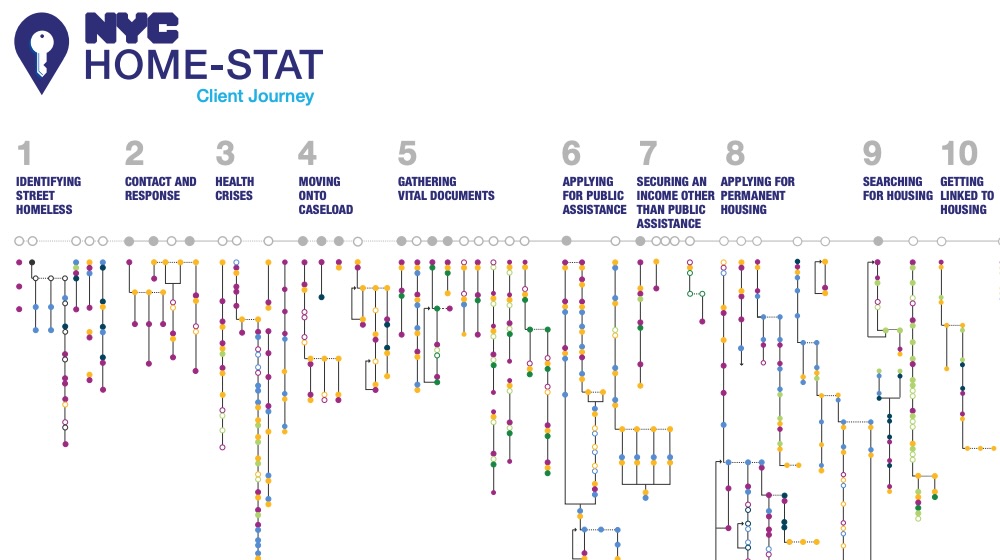
This overview journey map of street homeless outreach reflects the complexity of the service journey from first contact on street to placement in permanent housing.