This guide provides practical financing strategies for governments to build, maintain, and expand integrated data systems (IDS) and evaluation capacity using federal and non-federal funding sources.
On July 16, members of the Digital Identity Community of practice gathered to learn how peers are gathering beneficiary feedback on their experiences with accounts and proving their identity.
This report examines how recent federal spending cuts and policy changes are shifting costs onto county governments, potentially burdening local budgets and services.
Led by the Digital Benefits Network in partnership with Public Policy Lab, the Digital Doorways research project amplifies the lived experiences of beneficiaries to provide new insights into people’s experiences with digital identity processes and technology in public benefits. This report details the project’s findings, directly highlighting the voices of beneficiaries through videos and photos.
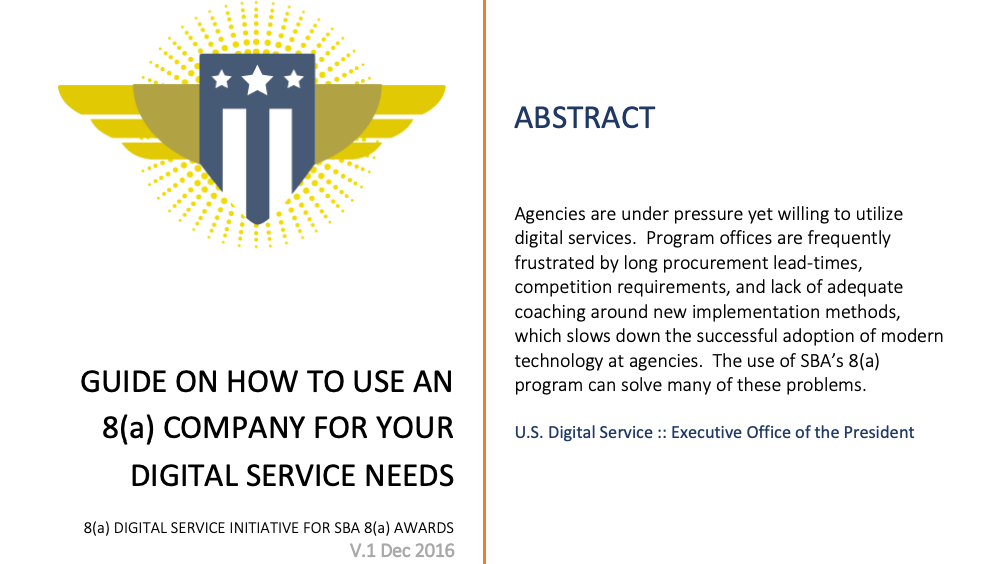
A practical how-to guide explaining how agencies can use a streamlined small-business contracting pathway to quickly procure digital services and pilot modern delivery approaches.
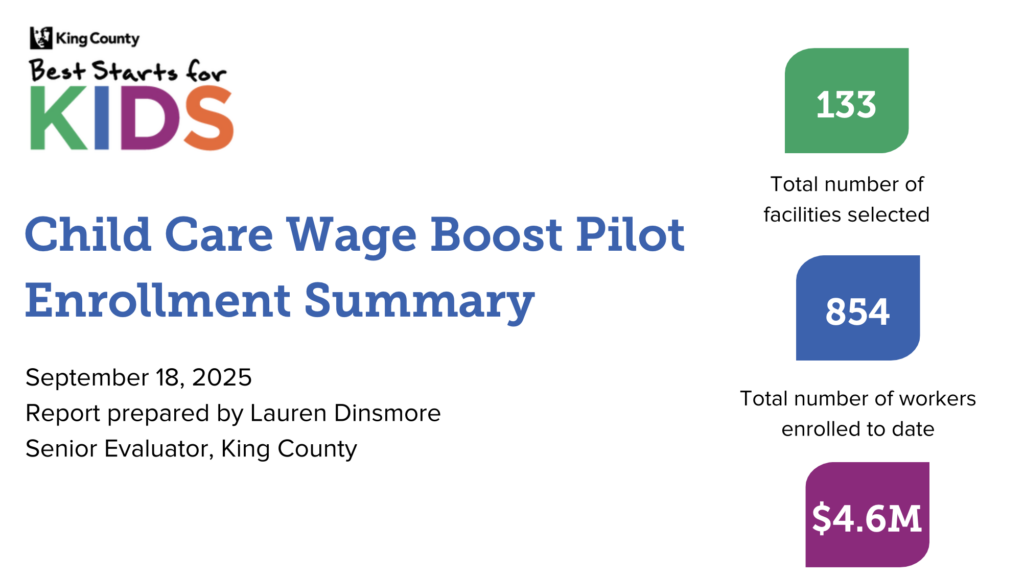
A data snapshot summarizing enrollment, participation, and early characteristics of workers and facilities participating in a child care wage boost pilot.
This field guide provides research-based design principles for creating clear, usable forms that help voters accurately complete election-related paperwork and successfully take action.
This field guide is for digital services and technology leaders working at the federal, state, or local government level. It describes a way of applying research approaches to strategic decision making across digital services.