An evaluation of the impact of the USDA’s FFRCA waivers on the WIC program during the COVID-19 pandemic, focusing on how temporary flexibilities such as remote certification and relaxed physical presence requirements affected participant access, program operations, and staff capacity.
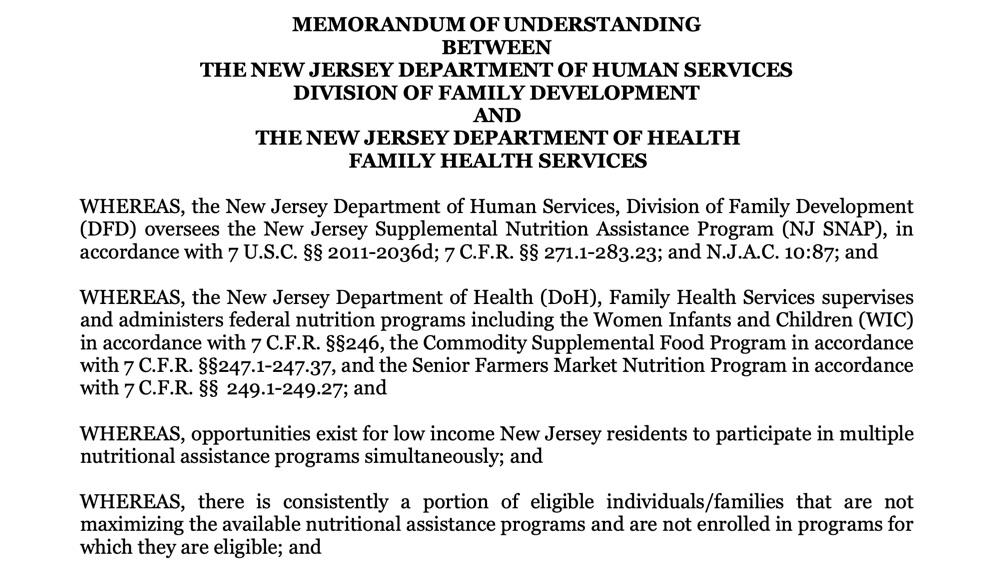
This presentation, from the Data Sharing Working Group, highlights a Michigan Department of Health and Human Services and Benefits Data Trust project to increase enrollment in the Women, Infants, and Children (WIC) program.
A 2025 policy agenda outlining comprehensive federal and state recommendations to eliminate benefits cliffs and strengthen economic mobility for families transitioning off public assistance.
This resource is a research paper examining the role of the public safety net in insuring job losers against income loss, analyzing which government programs provide financial support and how benefits vary based on pre-job loss income levels.
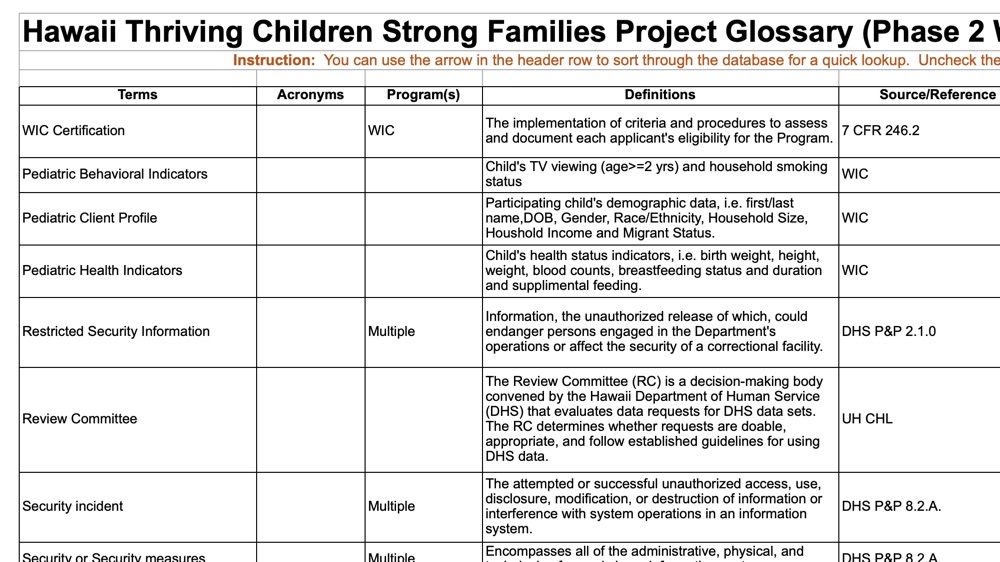
his document defines key terms, acronyms, and data elements used in Hawaii's SNAP and WIC data integration project to support cross-program collaboration and data standardization.
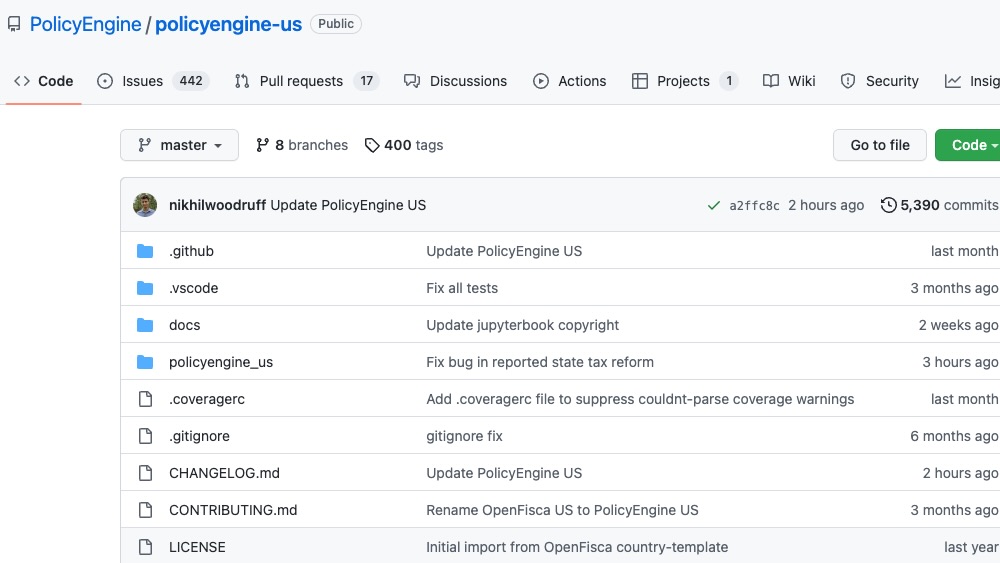
PolicyEngine US is a Python-based microsimulation model of the US tax and benefit system. It models federal individual income taxes (including credits), major benefit programs, and state income taxes (currently in six states). The PolicyEngine US package can be used as a Python package, via the PolicyEngine API, or via the policyengine.org web app.
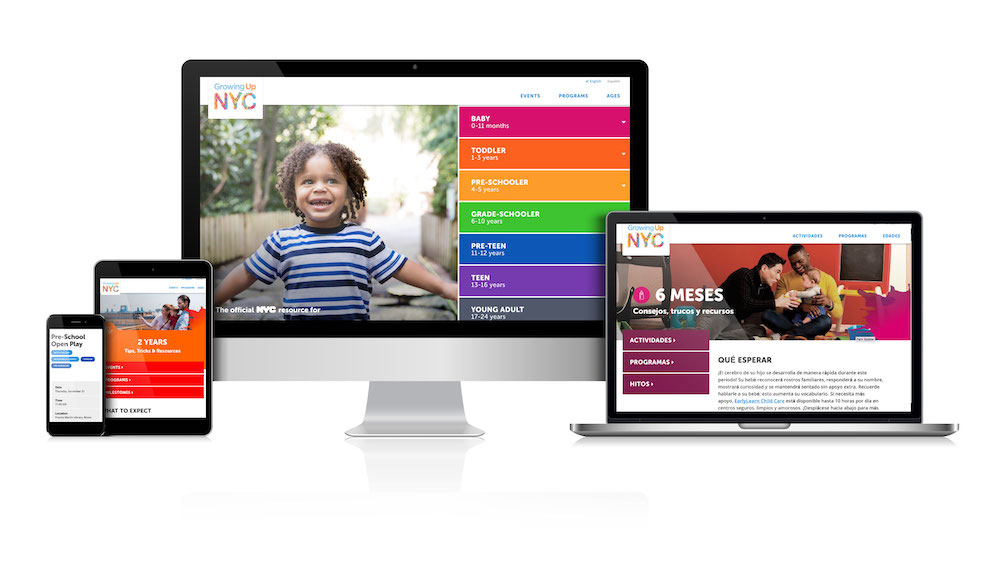
Growing Up NYC is mobile-friendly website that makes it simple for families to learn about and access city programs, as well as services and activities available to New York residents.
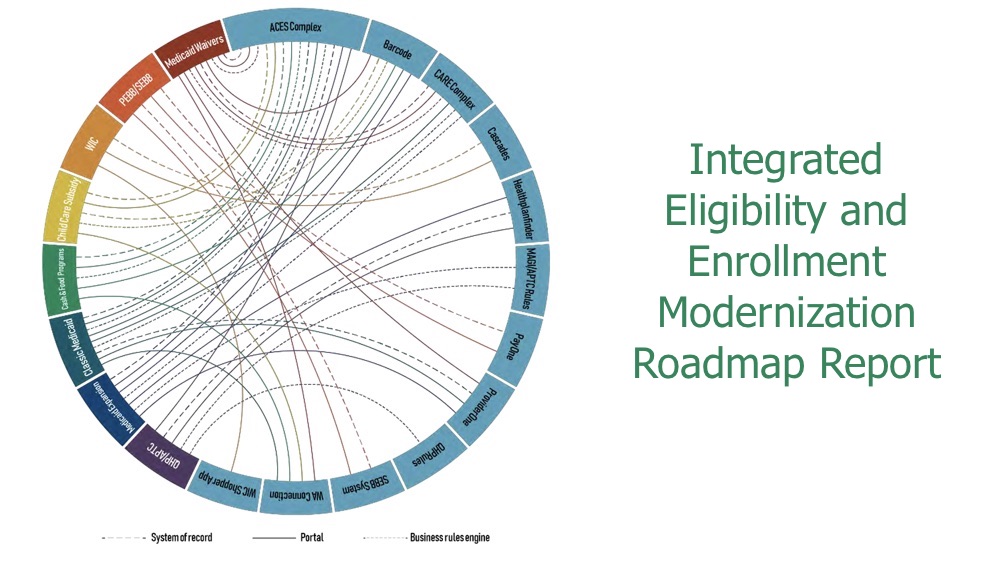
This roadmap provides a vision and plan for how to deliver modernized integrated eligibility and enrollment for health and human services using human-centered design, modular approaches to replacing legacy technology, change management, and iterative product processes.
This Urban Institute report identifies strategies to improve young people’s access to public benefits through targeted outreach, benefit navigation, cross-organizational partnerships, and streamlined eligibility processes.
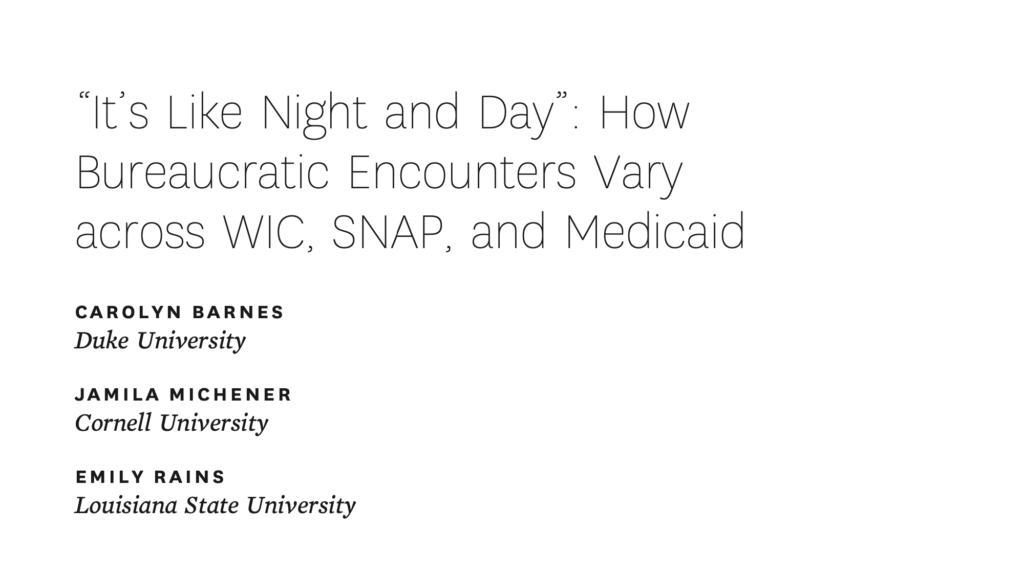
This study examines how bureaucratic interactions differ among public assistance programs—WIC, SNAP, and Medicaid—highlighting variations in participant experiences and the psychological costs associated with each.