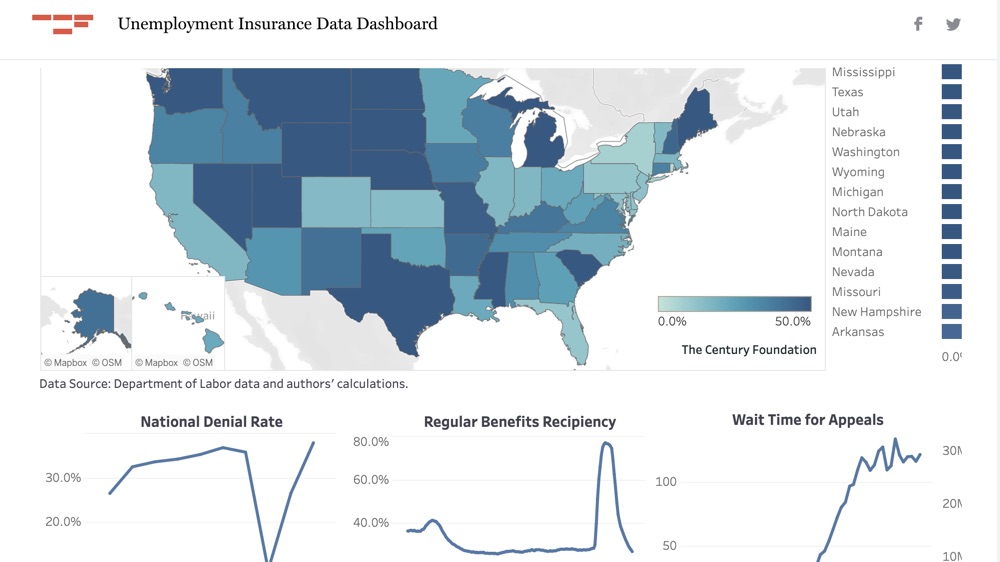
This dashboard highlights key performance indicators for UI systems nationwide, including how they perform during the current economic crisis, the impact of the CARES Act benefits expiring, the timeline for which benefits are delivered, demographics of benefits recipients, and total benefits payments.
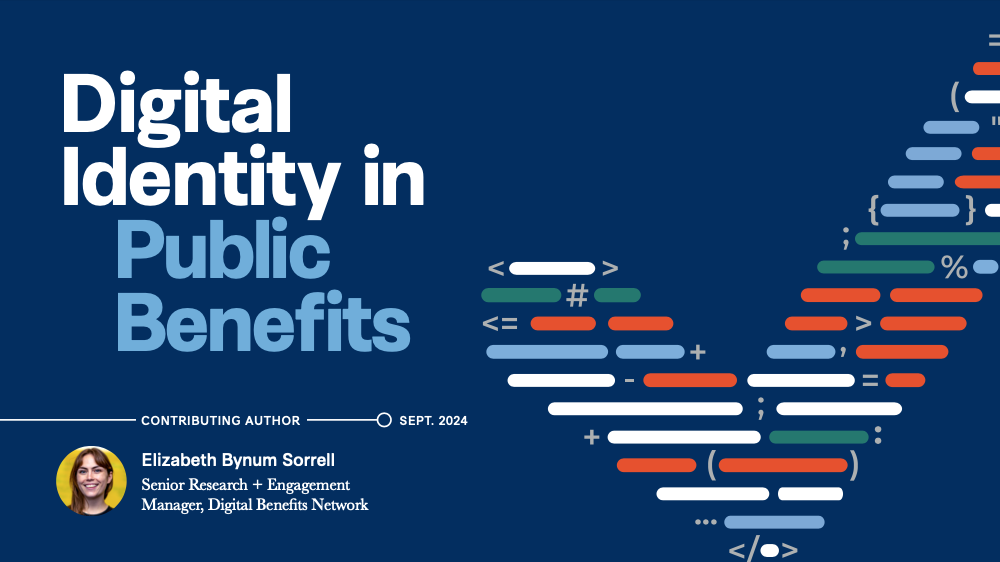
In this updated primer, the DBN describes how identity proofing and authentication show up in public benefits applications and outlines equity and security concerns raised by common identity proofing and authentication methods.
This section of the Building Resilience plan outlines strategies to expand access to unemployment insurance (UI) for underserved populations and improve benefit adequacy through system reform, outreach, and data-driven equity efforts.
This section of the Building Resilience plan outlines strategies to improve reemployment outcomes for unemployment insurance (UI) claimants by expanding access to services, updating work search requirements, and increasing use of Short-Time Compensation programs.
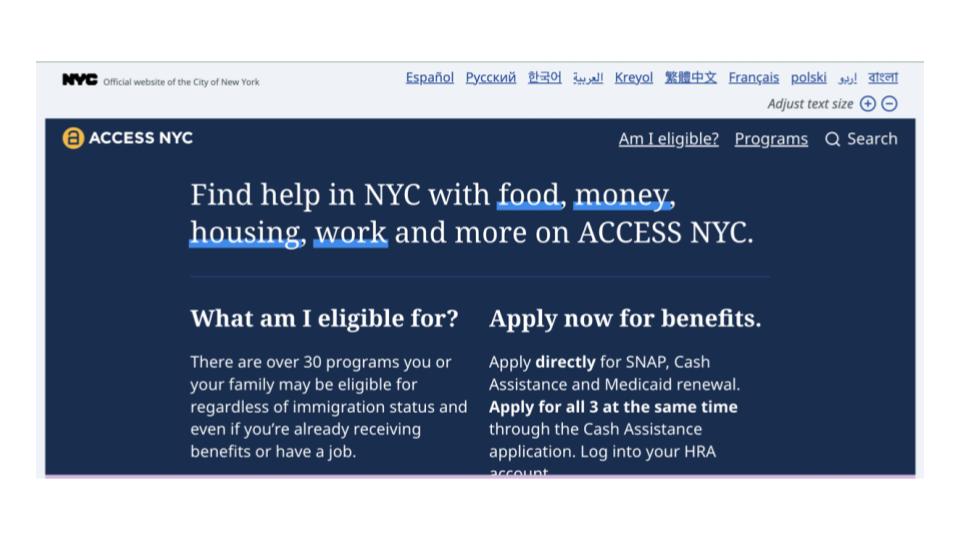
The NYC Mayor’s Office for Economic Opportunity (NYC Opportunity) developed the NYC Benefits Platform, including ACCESS NYC, to help residents easily discover and check eligibility for over 80 social programs.
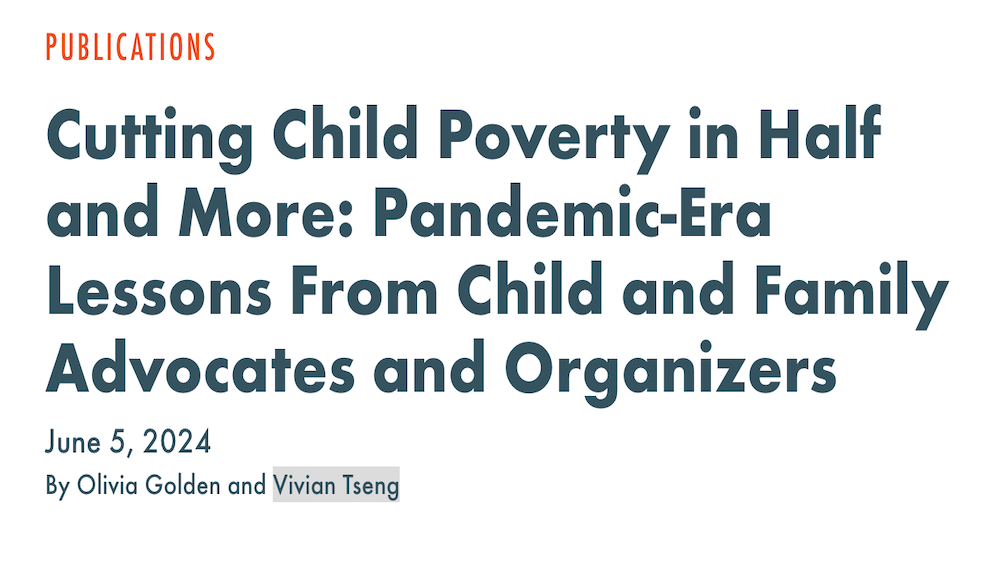
This paper discusses the country’s chronic underinvestment in children and resulting outcomes, including new data on poverty rates among young children, is inextricable from the prospects of young children; and the remarkably comprehensive pandemic-era response policies, including which changes contributed most to reducing child poverty.
The Digital Benefits Network at the Beeck Center for Social Impact + Innovation at Georgetown University and Public Policy Lab co-hosted a webinar presenting breaking research on beneficiary experiences with digital identity processes in public benefits.
The UI Technology Coordinating Coalition hosted a virtual conversation on April 13, 2023 focused on recent developments in unemployment insurance (UI) modernization efforts with guests from the U.S. Department of Labor's Office of UI Modernization and the Illinois Department of Employment Security.
This quarterly research update aims to highlight key learnings related to improving unemployment insurance (UI) systems in the areas of equity, timeliness, and fraud, and monitor for model UI legislation and policy related specifically to technology. Subscribe to receive future editions.
Michigan's UIA director, Julia Dale, is leading the agency through transition by prioritizing lived experience, hope, grit, and values. Virginia's SNAP Program Manager, Michele Thomas, highlighted the success of Sun Bucks, a summer EBT child nutrition program that fed over 700,000 kids in its first year.