Led by the Digital Benefits Network in partnership with Public Policy Lab, the Digital Doorways research project amplifies the lived experiences of beneficiaries to provides new insights into people’s experiences with digital identity processes and technology in public benefits. This executive summary gives an overview of the project’s findings.
This Urban Institute report examines how public investments in children's health, education, and welfare yield significant short- and long-term benefits for both individuals and society.
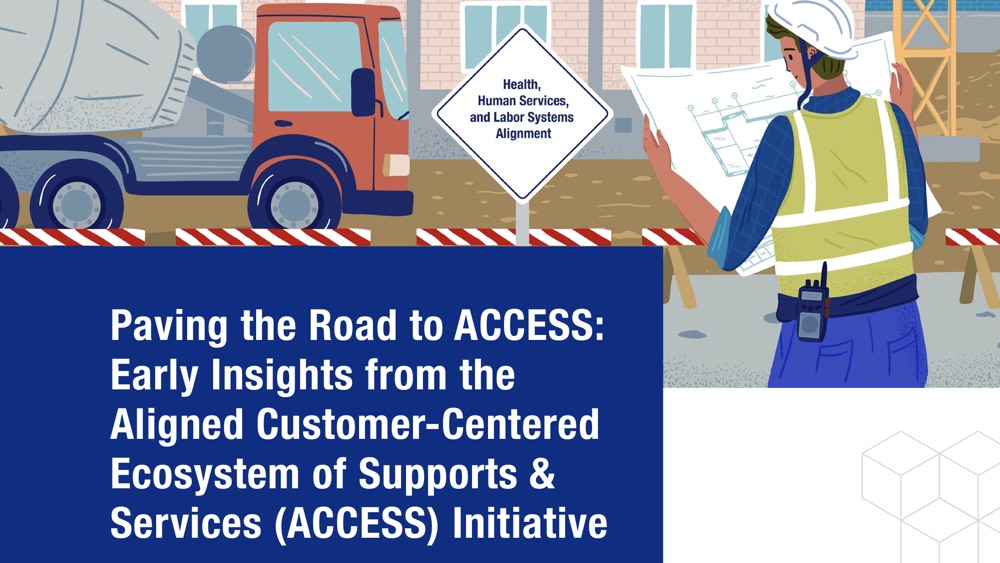
Through the ACCESS project, key collaborators have shared insights into current and future opportunities for alignment within their agencies, including potential enablers for and barriers to alignment activities.
American Public Human Services Association (APHSA)
The Hawai‘i Department of Human Services (DHS), in partnership with the Hawai‘i Department of Health (DOH) and the Children’s Healthy Living Center of Excellence (CHL Center) at the University of Hawai‘i at Mānoa, is building foundational capacity to share and analyze administrative data across the SNAP (Supplemental Nutrition Assistance Program) and the Special Supplemental Nutrition Program for Women, Infants and Children (WIC). This groundwork will enable Hawai‘i to increase access to nutrition support programs, in alignment with Hawai‘i’s ‘Ohana Nui framework, which aims to dismantle intergenerational poverty.
American Public Human Services Association (APHSA)
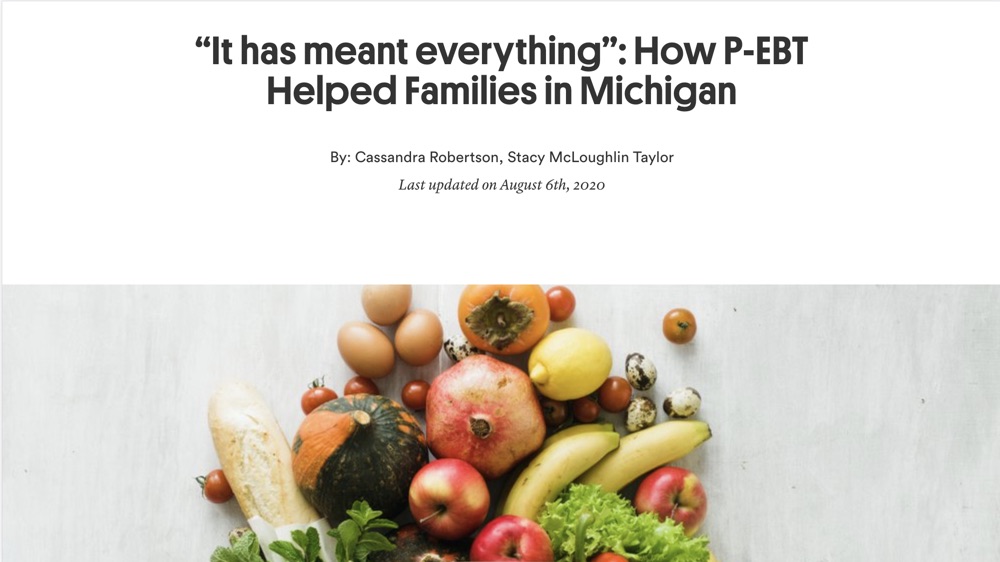
This report explores Michigan’s implementation of the Pandemic Electronic Benefit Transfer (P-EBT) program. Drawing on interviews from individuals within the Michigan Department of Health and Human Services and input from SNAP participants via surveys distributed using the Fresh EBT app, this report provides insights into the strategies that enabled Michigan to roll out an entirely new program quickly and effectively.
Differing federal requirements for public benefit applications create significant barriers for applicants and complicate state efforts to integrate services.
The ubiquity of mobile devices makes it imperative to build “mobile first” services, i.e. services built with the expectation that they will primarily be accessed on mobile devices. This article also outlines important considerations and suggestions for implementing mobile-first user interfaces.
Michigan's UIA director, Julia Dale, is leading the agency through transition by prioritizing lived experience, hope, grit, and values. Virginia's SNAP Program Manager, Michele Thomas, highlighted the success of Sun Bucks, a summer EBT child nutrition program that fed over 700,000 kids in its first year.
This study describes the potential of human-centered design principles to identify burdens, reducing the effects of what we label as administrative checkpoints.
This brief examines the treatment of PFML for purposes of state and federal taxation, as well as determining income and eligibility in five means-tested programs.