This case study describes how Nava is working with the General Services Administration, Fearless, and the U.S. Postal Service to design, build, and deliver a new in-person identity verification service to nearly 20,000 USPS locations
This issue brief describes the Pennsylvania case study, outlines the historical context, and offers strategies and recommendations for successfully implementing Fast Track.
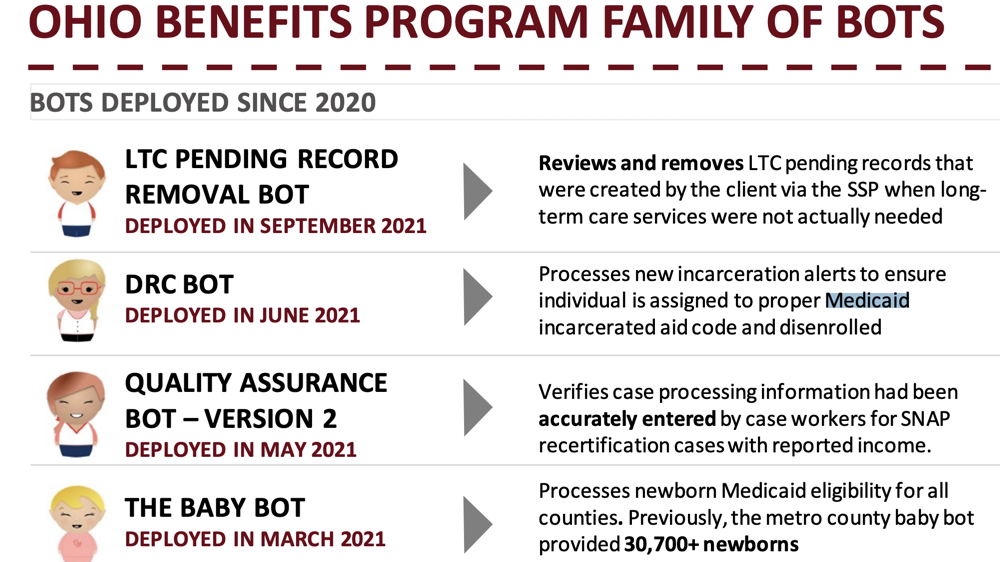
This award documentation from the National Association of State Chief Information Officers (NASCIO) explains how agencies in Ohio used automation to support administration of public benefits programs.
National Association of State Chief Information Officers (NASCIO)
Comprehensive and sustained improvement in benefits access and customer experience requires changes across policy, operations, technology, staffing, procurement, and more. This guide offers a collection of actions and best practices for states to apply.
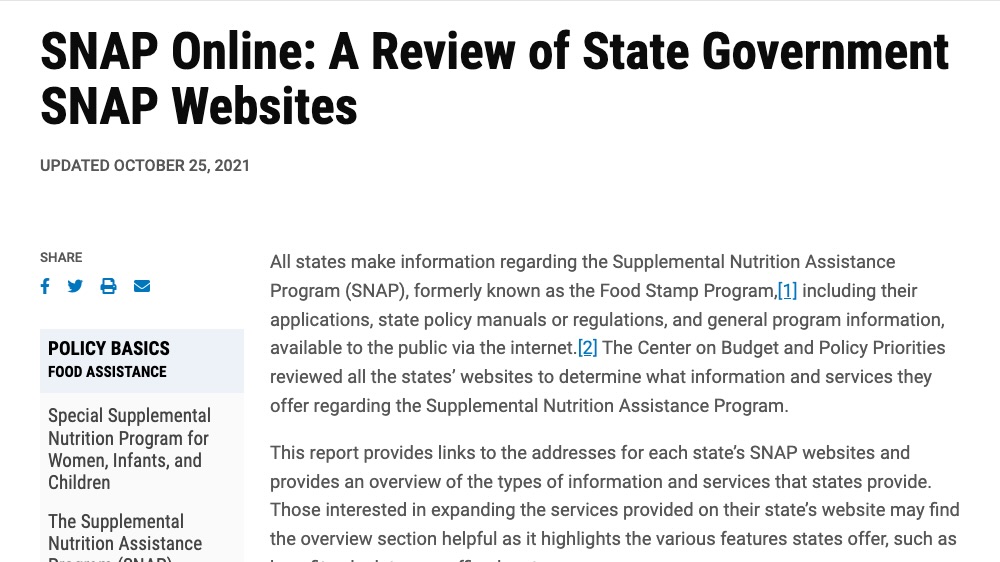
This report evaluates state government websites for the Supplemental Nutrition Assistance Program (SNAP), providing links to each state's site and assessing the information and services they offer.
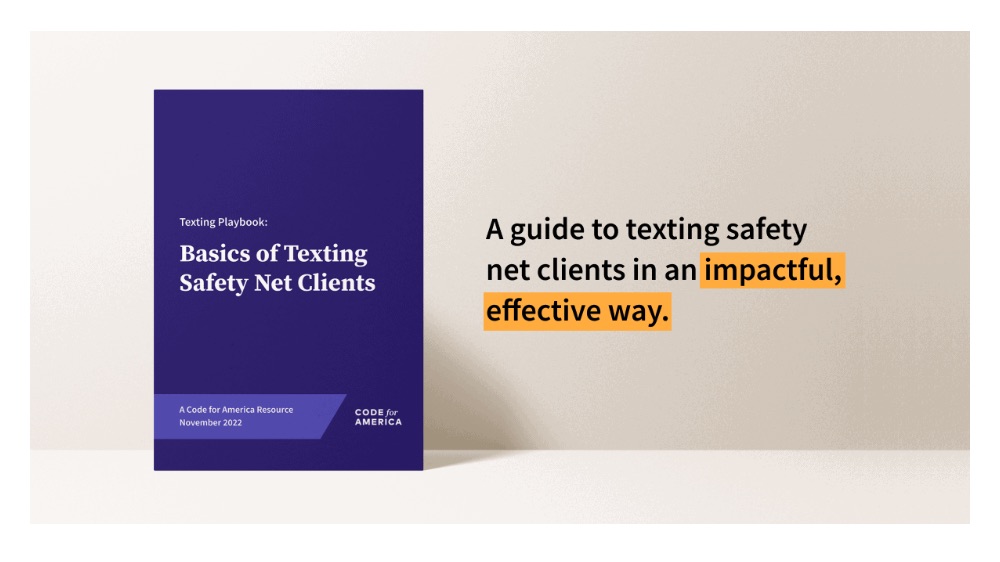
The Texting Playbook provides guidance and well-researched strategies to help state agencies implement texting in support of Medicaid, SNAP, WIC, and other benefits programs. It provides an overview of how to start texting clients; the types of messages to send, including real examples; Federal Communications Commision (FCC) policy guidance; how to encourage opt-ins and collect consent; how to avoid coming across as spam; and a cost analysis of texting.
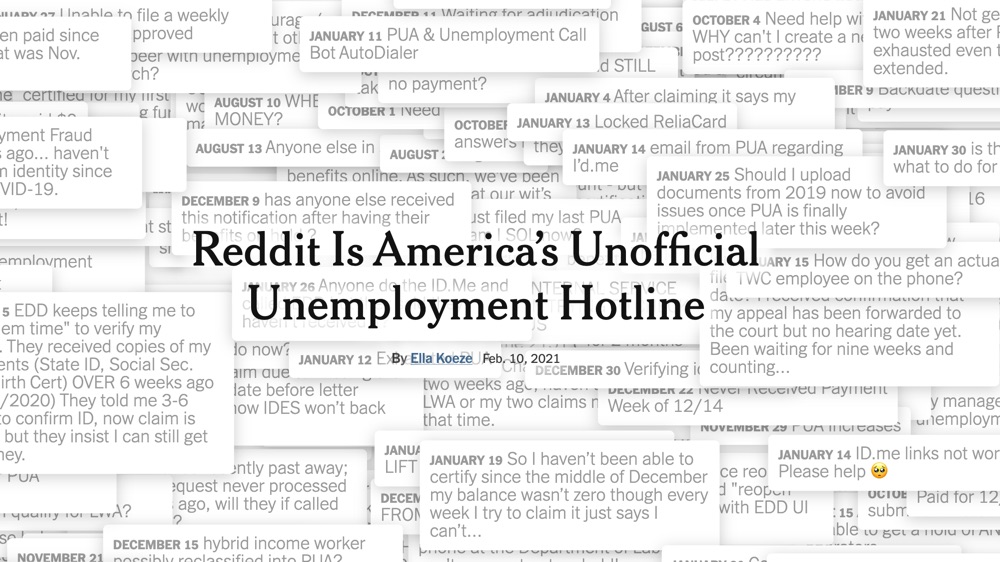
Reddit's unemployment forums have become vital support networks during the pandemic, offering advice, emotional support, and a sense of community to those navigating job loss and financial hardship.
This report contributes to the quantitative measurement of psychological burdens by examining a case study of a single social program: the Supplemental Nutrition Assistance Program, by considering new quantitative measures of the psychological burdens faced by SNAP applicants.
This guide highlights approachable ideas for state and local public benefits agencies to improve applications, renewals, and correspondence. As outlined in this resource, even small improvements can be transformative for residents and caseworkers alike.
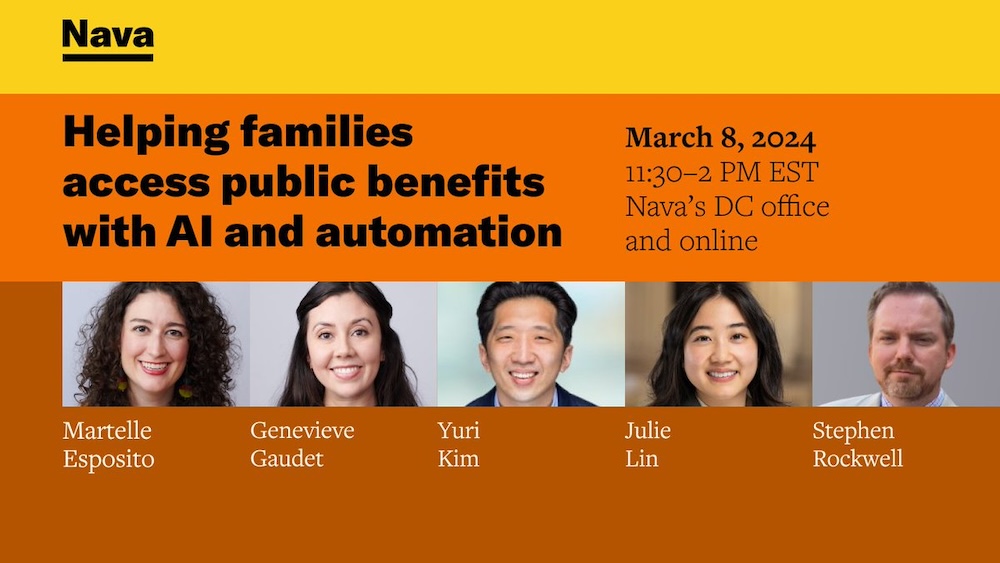
Webinar that shares Nava’s partnership with the Gates Foundation and the Benefits Data Trust that seeks to answer if generative and predictive AI can be used ethically to help reduce administrative burdens for benefits navigators.