The article discusses key takeaways from BenCon 2023, highlighting the importance of creating equitable and ethical public benefits technology. It emphasizes the need for tech solutions that address systemic inequalities, ensure accessibility, and promote inclusivity for underserved communities in accessing public services.
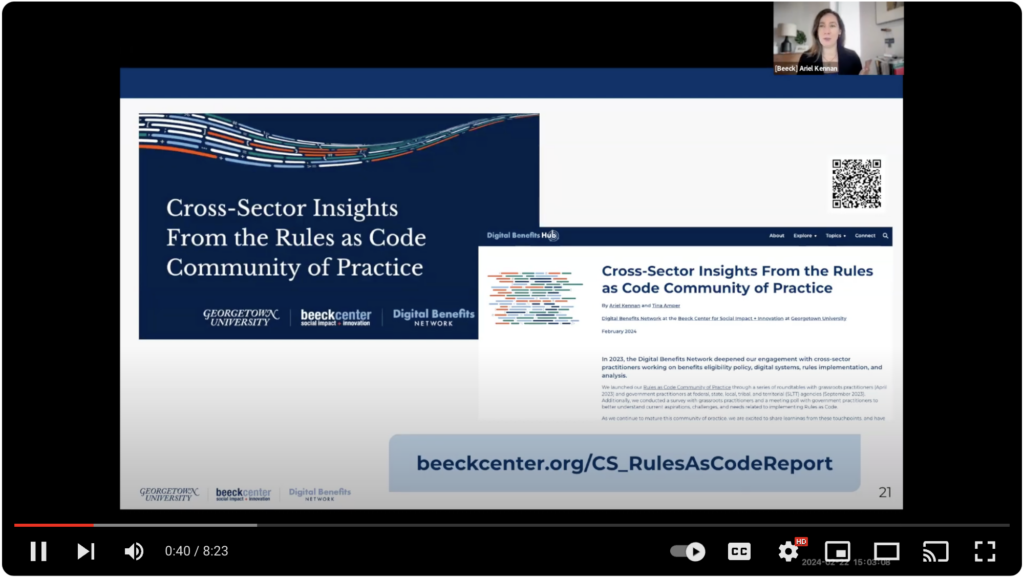
This report documents four experiments exploring if AI can be used to expedite the translation of SNAP and Medicaid policies into software code for implementation in public benefits eligibility and enrollment systems under a Rules as Code approach.
This page includes data and observations about account creation and identity proofing steps specifically for online applications that include MAGI Medicaid.
A recap of the two-day conference focused on charting the course to excellence in digital benefits delivery hosted at Georgetown University and online.
This publication describes the research process and protocol used in the Digital Benefits Networks research project, "Digital Account Creation and Identity Proofing in Public Benefits Applications."
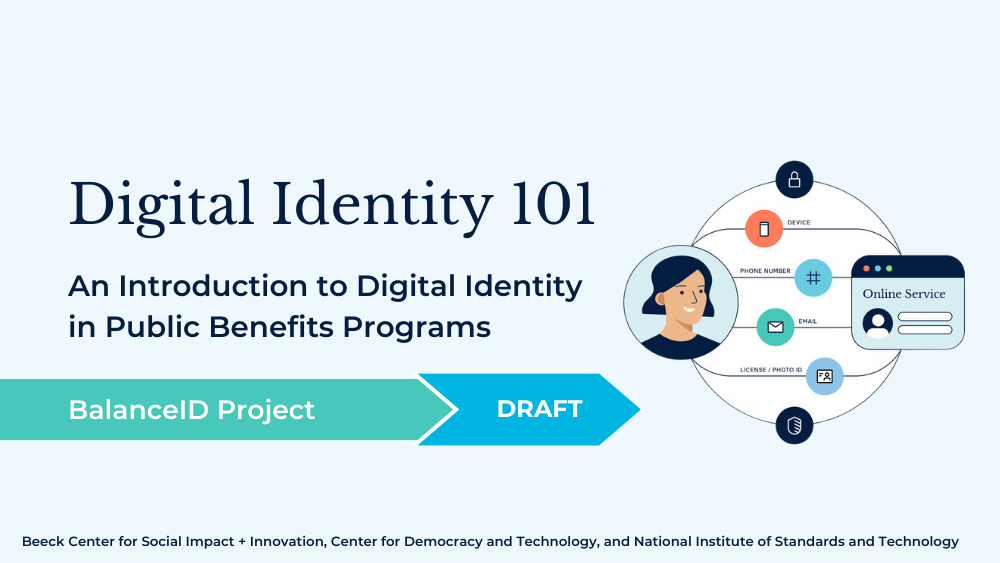
This introductory guide explains the core concepts of digital identity and how they apply to public benefits programs. This guide is the first part of a suite of voluntary resources from the BalanceID Project: Enabling Secure Access and Managing Risk in SNAP and Medicaid.
Drawing on the Beeck Center’s research on government, nonprofit, academic, and private sector organizations that are working to improve access to safety net benefits, this report highlights best practices for creating accessible benefits content.
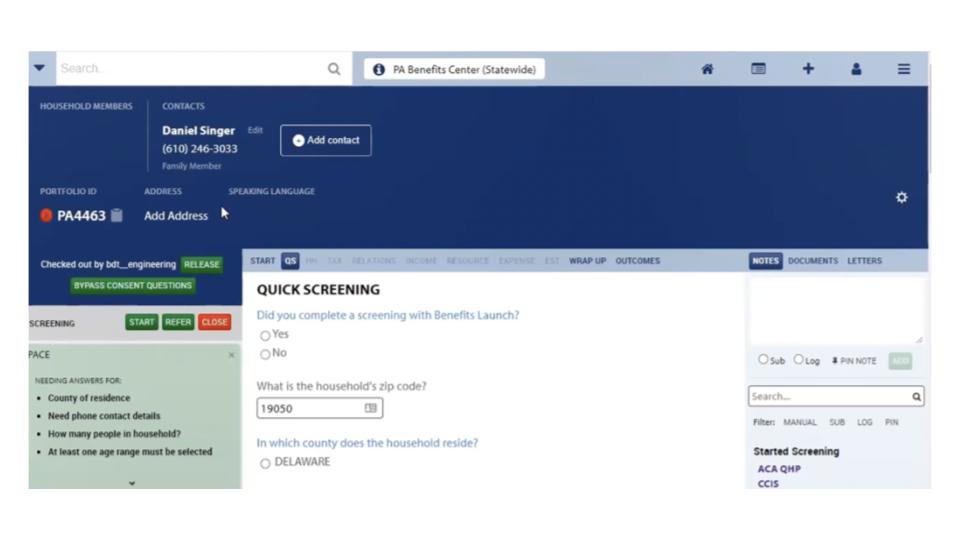
Benefits Data Trust (BDT) is a nonprofit that connects people to public benefits through a streamlined, phone-based application system called Benefits Launch, which reduces redundant questions and speeds up the process for multiple programs. BDT's approach, supported by a custom-built rules engine, has facilitated over 800,000 benefit enrollments, helping secure over $9 billion for eligible households across seven states.