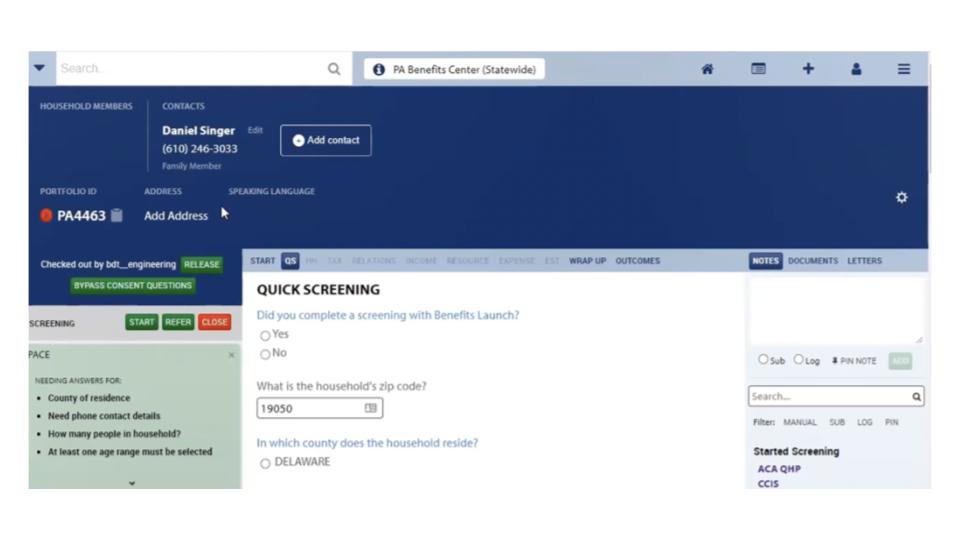
Benefits Data Trust (BDT) is a nonprofit that connects people to public benefits through a streamlined, phone-based application system called Benefits Launch, which reduces redundant questions and speeds up the process for multiple programs. BDT's approach, supported by a custom-built rules engine, has facilitated over 800,000 benefit enrollments, helping secure over $9 billion for eligible households across seven states.
This report summarizes insights from interviews with seven states on how they are adapting integrated eligibility and enrollment (IEE) systems in response to sweeping federal changes to SNAP and Medicaid under H.R. 1.
This is the summary version of a report that documents four experiments exploring if AI can be used to expedite the translation of SNAP and Medicaid policies into software code for implementation in public benefits eligibility and enrollment systems under a Rules as Code approach.
This report documents four experiments exploring if AI can be used to expedite the translation of SNAP and Medicaid policies into software code for implementation in public benefits eligibility and enrollment systems under a Rules as Code approach.
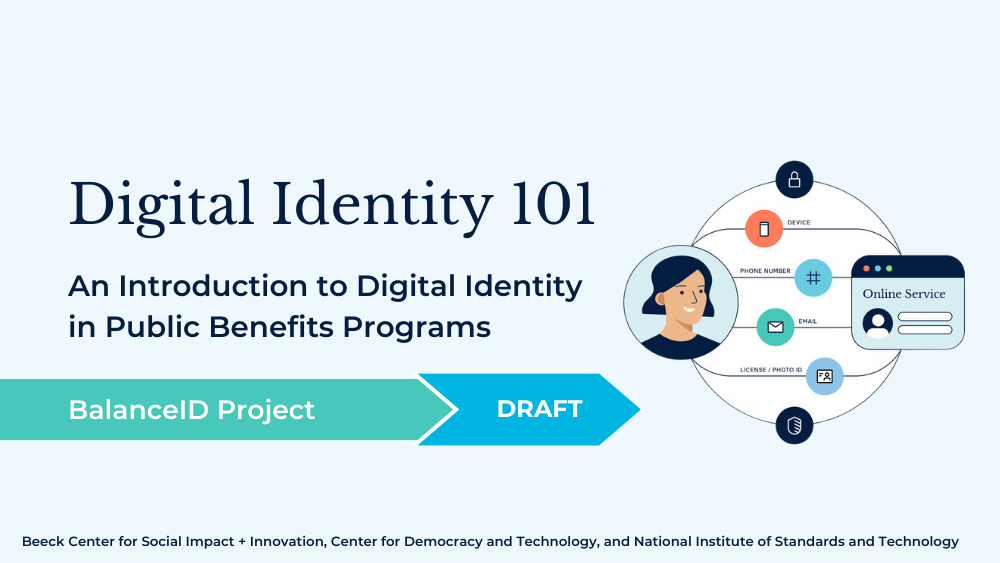
This introductory guide explains the core concepts of digital identity and how they apply to public benefits programs. This guide is the first part of a suite of voluntary resources from the BalanceID Project: Enabling Secure Access and Managing Risk in SNAP and Medicaid.
This guide highlights best practices in benefits access, showcasing how Michigan, New York City, and San José improve accessibility through plain language, multilingual translation, resident co-creation, and technology tools.
This report examines how the U.S. federal government can enhance the efficiency and equity of benefit delivery by simplifying eligibility rules and using a Rules as Code approach for digital systems.
Government leaders discuss how to ensure seamless access to public benefits through breaking down silos, user-friendly digital identities, and privacy-focused security measures.
Drawing on the Beeck Center’s research on government, nonprofit, academic, and private sector organizations that are working to improve access to safety net benefits, this report highlights best practices for creating accessible benefits content.
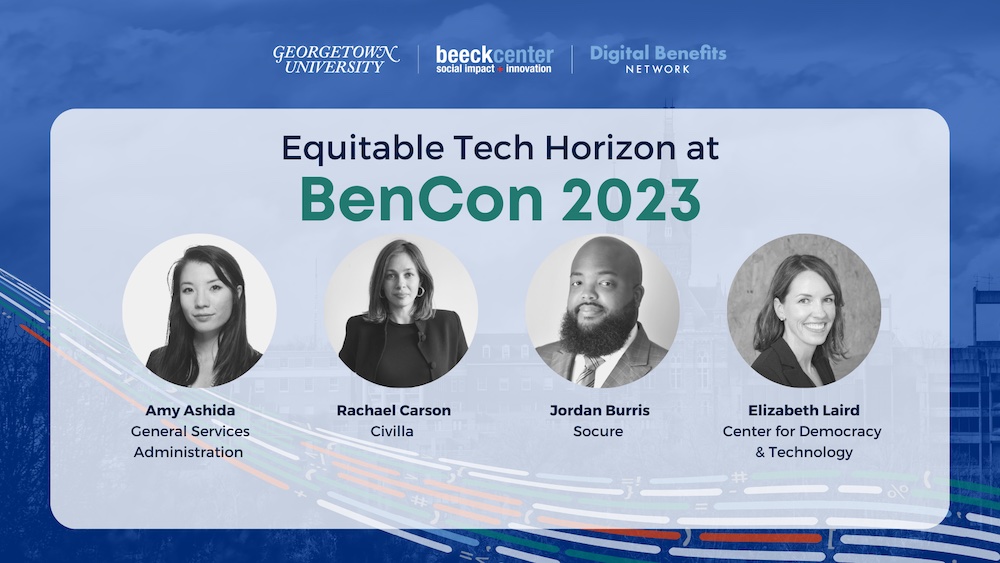
Hear perspectives on topics including centering beneficiaries and workers in new ways, digital service delivery, digital identity, and automation.This video was recorded at the Digital Benefits Conference (BenCon) on June 14, 2023.
This guide provides a detailed overview summarizing the many initiatives and activities from Congress, the White House, federal agencies, and coalitions which may impact the digital identity landscape in the United States, including at state, local, Tribal, and territorial levels.