This article analyses ‘digital distortions’ in Rules as Code, which refer to disconnects between regulation and code that arise from interpretive choices in the encoding process.
CiviForm is a free, open source software solution for governments that was built to simplify how residents find and apply for public assistance programs.
This resource is a communications toolkit designed to help states and stakeholders inform Medicaid and CHIP recipients about the eligibility renewal process, ensuring they take necessary steps to maintain or transition to alternative health coverage.
This quarterly research update aims to highlight key learnings related to improving unemployment insurance (UI) systems in the areas of equity, timeliness, and fraud, and monitor for model UI legislation and policy related specifically to technology. Subscribe to receive future editions.
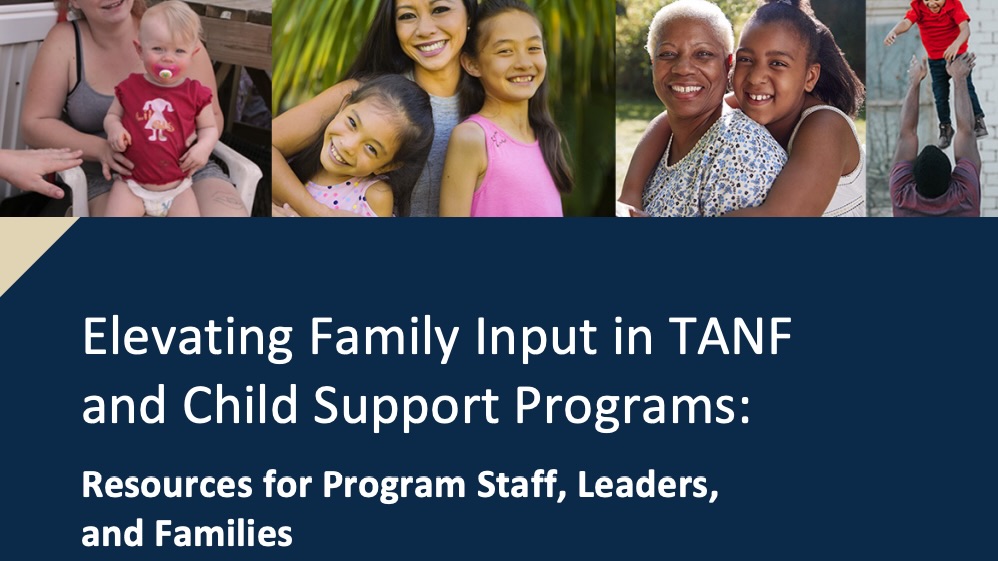
This expansive toolkit provides guidance, real world examples, and resources to help TANF and child support programs engage the families they serve in improving service delivery, policy, and program operations.
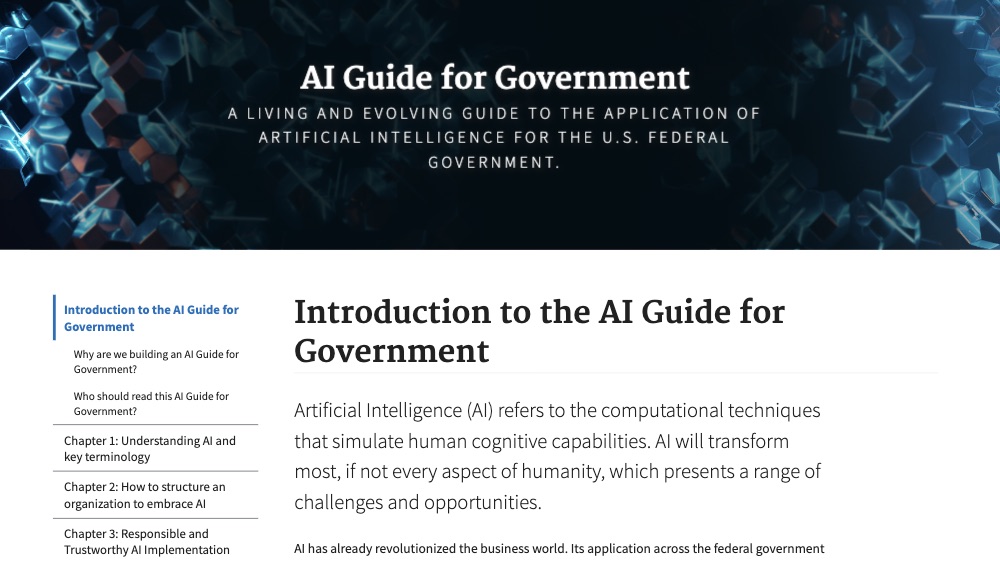
A guide from the General Service Administration to help government decision makers clearly see what AI means for their agencies and how to invest and build AI capabilities.
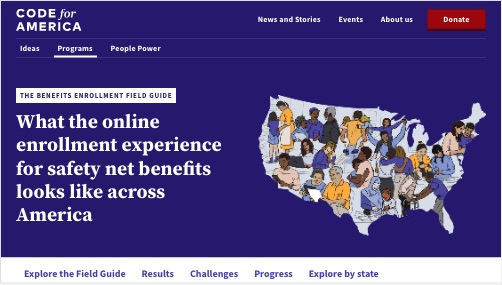
The Benefits Enrollment Field Guide looks at the landscape of America’s safety net benefits experience in 2023 and tracks the differences from our 2019 assessment based on expanded evaluation criteria. It also highlights successful paths to equitable, human-centered experiences. It examines online enrollment for Modified Adjusted Gross Income (MAGI) Medicaid, SNAP, TANF, the Child Care Assistance Program (CCAP), and WIC.
The guidelines for bias-free language contain both general guidelines for writing about people without bias across a range of topics and specific guidelines that address the individual characteristics of age, disability, gender, participation in research, racial and ethnic identity, sexual orientation, socioeconomic status, and intersectionality.