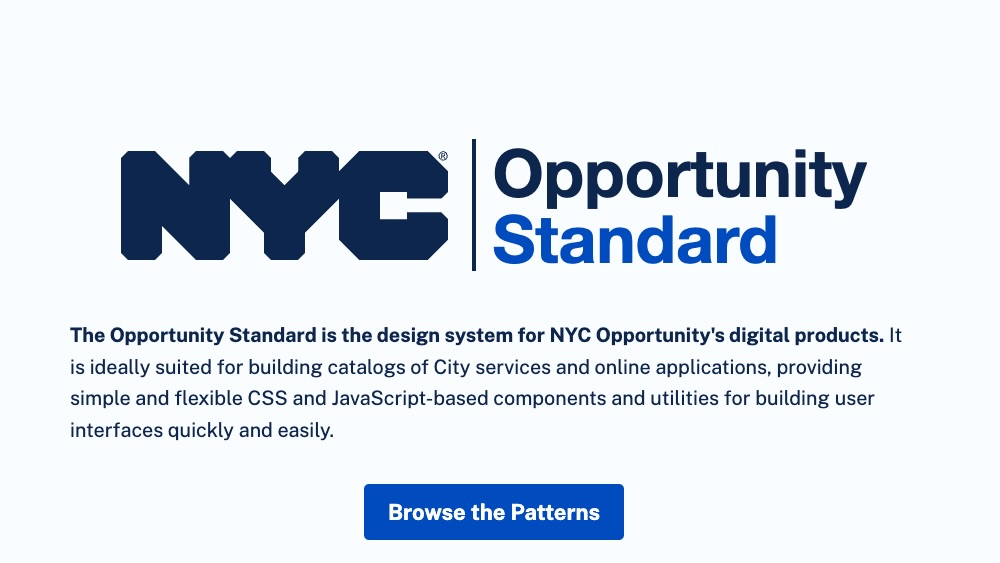
The design system for NYC Opportunity's digital products. It is ideally suited for building catalogs of City services and online applications, providing simple and flexible CSS and JavaScript-based components and utilities for building user interfaces quickly and easily.
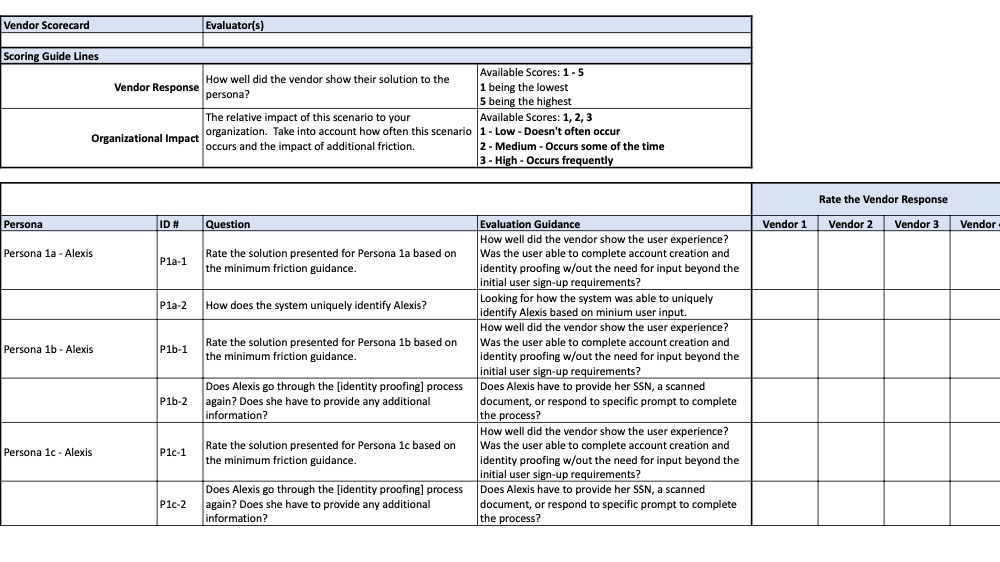
This scoring matrix from the California Employment Development Department (EDD) shows how the agency evaluated vendor proposals for a new identity proofing approach, based on vendors' ability to serve different user personas.
State of California Employment Development Department (EDD)
This report provides a comprehensive analysis of administrative burdens, offering strategies to reduce unnecessary obstacles in public service delivery, with a focus on improving access to government services for underserved and marginalized populations.
This playbook provides government-wide guidance for planning, procuring, and managing digital, data, and technology (DDaT) projects with a focus on innovation, agile delivery, cybersecurity, sustainability, and commercial best practices.
This report highlights California's strides in modernizing state government through data-driven innovation, human-centered design, and strategic initiatives aimed at enhancing public services and equity.
A report assessing City of San José's AI governance practices against the NIST AI Risk Management Framework, identifying gaps, and outlining recommendations to strengthen AI oversight and accountability.