This analysis explores the potential reduction in poverty rates across all U.S. states if every eligible individual received full benefits from seven key safety net programs, highlighting significant decreases in overall and child poverty.
In this piece, the Digital Benefits Network shares several sources—from journalistic pieces, to reports and academic articles—we’ve found useful and interesting in our reading on automation and artificial intelligence.
This policy brief explores how federal privacy laws like the Privacy Act of 1974 limit demographic data collection, undermining government efforts to conduct equity assessments and address algorithmic bias.
The New Mexico Human Services Department and Department of Health, as part of the Coordinating SNAP & Nutrition Supports program, leveraged data sharing to align SNAP, Medicaid, TANF, and WIC.
American Public Human Services Association (APHSA)
Initially created to inform federal staff at the U.S. Department of Health and Human Services, this guide explores opportunities to advance equity in quantitative analysis, including by recognizing common biases (e.g., research and measurement bias).
Office of the Assistant Secretary for Planning and Evaluation (ASPE)
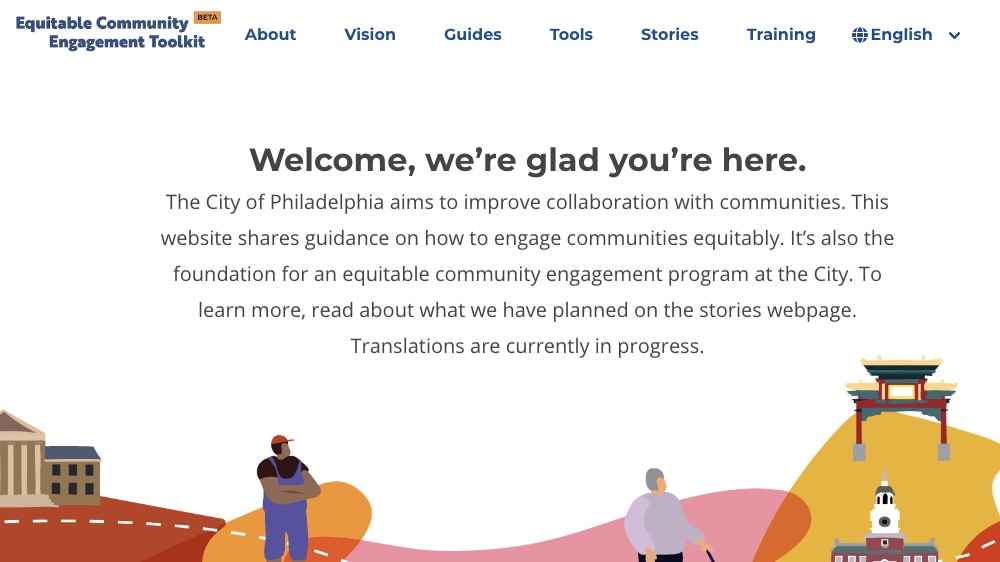
The Equitable Community Engagement Toolkit is a toolkit created by City of Philadelphia engagement practitioners and community members to help improve equitable collaboration with the community the City serves.
City of Philadelphia Office of Civic Engagement and Volunteer Service
This case study describes Nava's with the state of Montana’s Special Supplemental Nutrition Program for Women, Infants, and Children (WIC) agency to build an eligibility screener tool.
This analysis explores the dual nature of mobile state IDs, highlighting their potential to enhance digital identity verification while raising significant privacy and equity concerns.
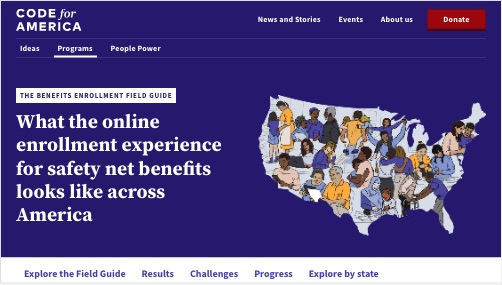
The Benefits Enrollment Field Guide looks at the landscape of America’s safety net benefits experience in 2023 and tracks the differences from our 2019 assessment based on expanded evaluation criteria. It also highlights successful paths to equitable, human-centered experiences. It examines online enrollment for Modified Adjusted Gross Income (MAGI) Medicaid, SNAP, TANF, the Child Care Assistance Program (CCAP), and WIC.
This report provides a comprehensive analysis of administrative burdens, offering strategies to reduce unnecessary obstacles in public service delivery, with a focus on improving access to government services for underserved and marginalized populations.
The Ethical Artificial Intelligence (AI) Policy of the City of Tempe establishes principles and governance structures to ensure the responsible, fair, and transparent use of AI in municipal operations.