This report summarizes progress made with agencies and members of the public to identify and reduce burdens that individuals, families, and small businesses face every day when interacting with government programs.
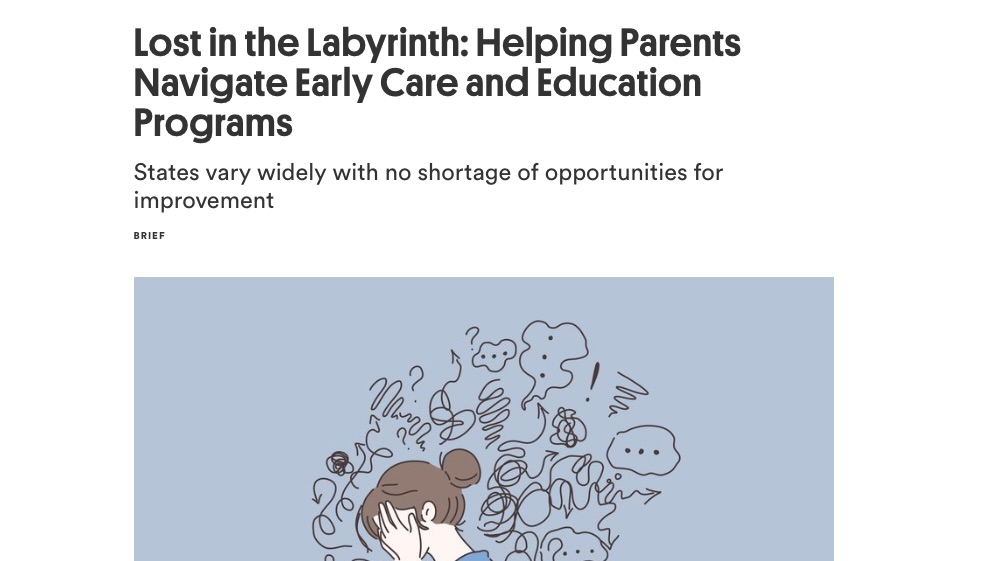
The Lost in the Labyrinth brief examines how fragmented early care and education (ECE) programs across the U.S. create challenges for families seeking services for young children.
This webpage links to materials ASPE has prepared as it leads work on how federal agencies and programs can meaningfully and effectively engage people with lived experience.
Office of the Assistant Secretary for Planning and Evaluation (ASPE)
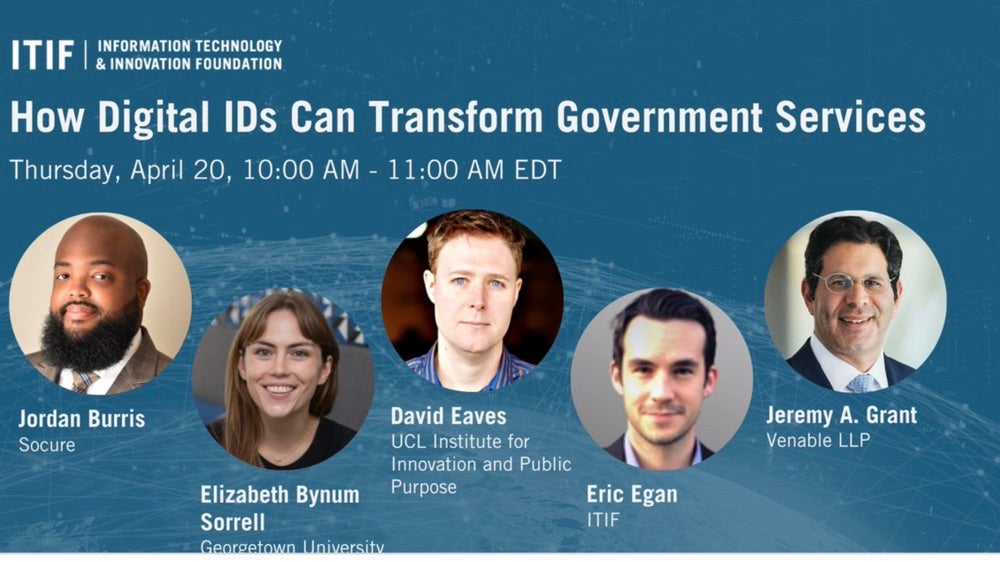
Governments around the world are digitizing how they deliver services to citizens. And yet, without a secure and reliable way for people to prove their identity online, digital transformation efforts face a considerable barrier. This panel discussion, hosted by the Information Technology & Innovation Foundation (ITIF), focuses on the potential benefits and concerns surrounding digital ID and identity proofing technology as well as the legal and technical barriers for use.
Information Technology & Innovation Foundation (ITIF)
This field guide is written for digital services and technology leaders working in government agencies at the federal, state, or local level. It’s meant to highlight the power of product thinking to government digital services. With this guide, agencies can start moving from a project management mindset to a product-based approach to delivering services.
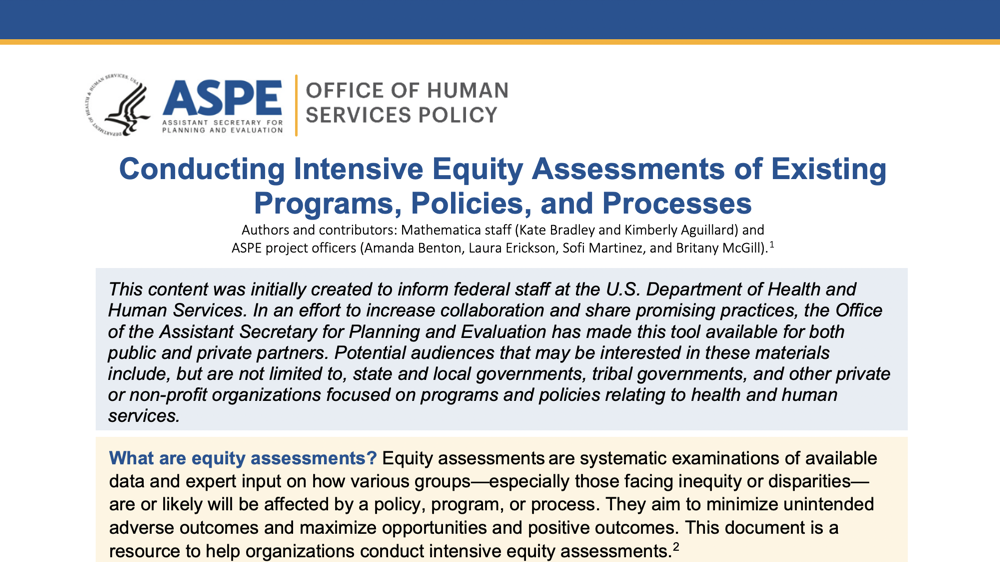
Initially created to inform federal staff at the U.S. Department of Health and Human Services, this tool describes how to conduct intensive equity assessments of existing programs, policies, and processes. It may be useful for state and local governments, tribal governments, and other private or non-profit organizations focused on programs and policies relating to health and human services.
Office of the Assistant Secretary for Planning and Evaluation (ASPE)
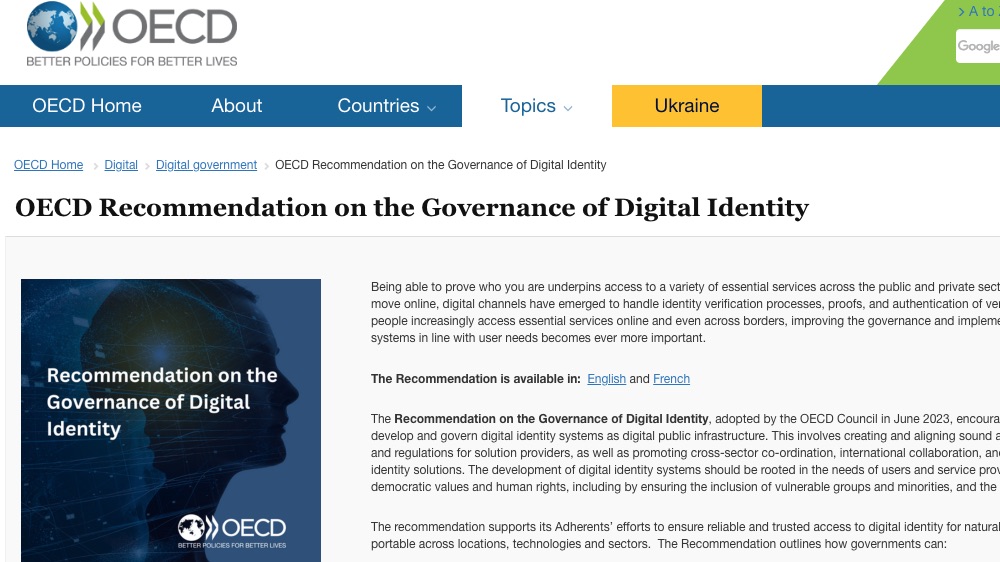
The OECD's Recommendation on the Governance of Digital Identity, adopted on 8 June 2023, provides guidelines for member countries to establish secure and user-centric digital identity systems that enhance trust and facilitate access to online services.
Organisation for Economic Co-operation and Development (OECD)
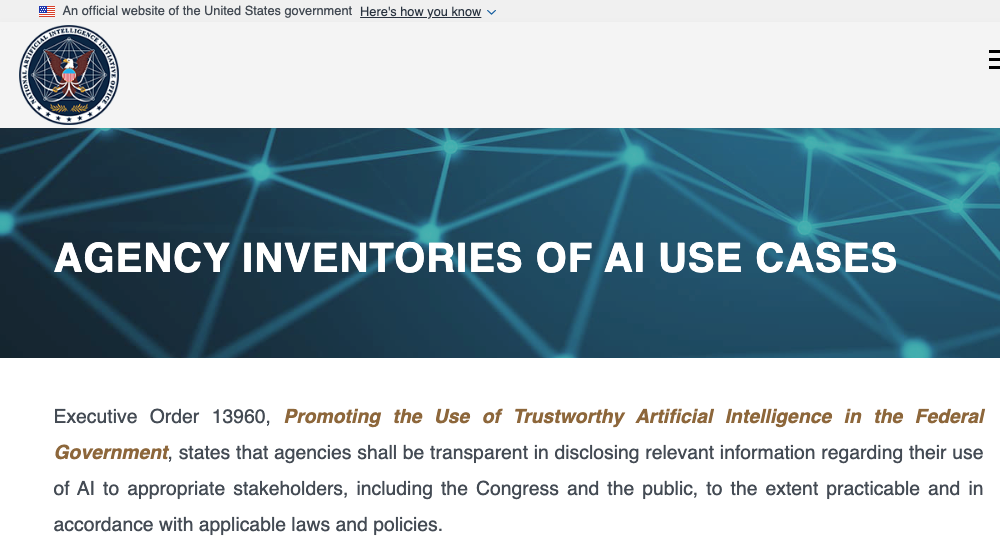
In accordance with Executive Order 13960, Promoting the Use of Trustworthy Artificial Intelligence in the Federal Government, Federal agencies began publishing their first annual inventories of artificial intelligence (AI) use cases in June 2022.
The Technology Transformation Service at GSA recently created a new Public Benefits Studio to focus on fostering a more cohesive, coordinated experience for the public, across programs.
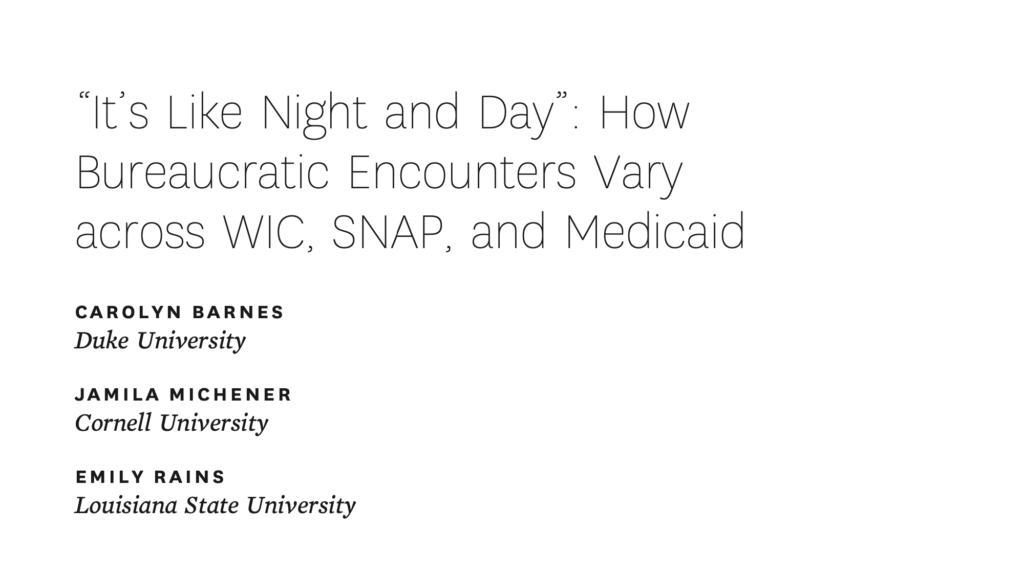
This study examines how bureaucratic interactions differ among public assistance programs—WIC, SNAP, and Medicaid—highlighting variations in participant experiences and the psychological costs associated with each.