This case study describes how Nava is working with the General Services Administration, Fearless, and the U.S. Postal Service to design, build, and deliver a new in-person identity verification service to nearly 20,000 USPS locations
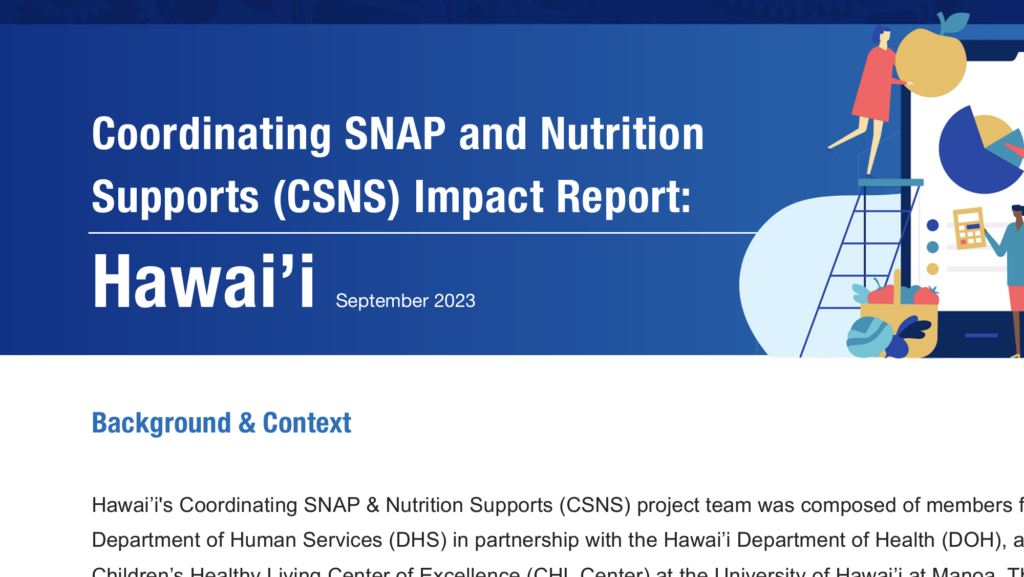
This report documents best practices and lessons learned from project streamlined data sharing between SNAP and WIC, enhancing cross-enrollment processes
American Public Human Services Association (APHSA)
Through the Coordinating SNAP & Nutrition Supports program, Mecklenburg County, NC leveraged a Food Security Navigator model and data analysis to increase access to nutrition supports. This report documents best practices and lessons learned from their project.
American Public Human Services Association (APHSA)
Initially created to inform federal staff at the U.S. Department of Health and Human Services, this tip sheet highlights the importance of using equitable communication and includes tips, guiding questions, and additional resources.
Office of the Assistant Secretary for Planning and Evaluation (ASPE)
This nine-minute video, produced after the completion of the TANF Data Collaborative (TDC) Pilot, features staff members from the California, Colorado, Minnesota, and Virginia TANF agencies reflecting on their challenges, accomplishments, and general experiences during the pilot. In particular, they describe their research questions and discuss building data capacity, integrating datasets, networking with other states, increasing collaboration between state and county agencies, learning new technical skills, and the benefits of being able to draw from diverse skillsets, all within the context of the TDC Pilot.
The Governor's Office of Administration is seeking an informational technology executive 2 to join our growing and innovative Commonwealth Office of Digital Experience PA team! This position is responsible for providing strategic business analysis services to the CODE PA Office. This position collaborates with stakeholders to better understand and document the capabilities needed to address challenges in the meeting the Commonwealth digital experience objectives. If this sounds like the job for you, apply today!