This post argues that for the types of large-scale, organized fraud attacks that many state benefits systems saw during the pandemic, solutions grounded in cybersecurity methods may be far more effective than creating or adopting automated systems.
This report by EPIC investigates how automated decision-making (ADM) systems are used across Washington, D.C.’s public services and the resulting impacts on equity, privacy, and access to benefits.
Digital service (DS) teams across the public sector are working to improve how services are delivered to residents. These teams exist at all levels of government and are iteratively using data, technology, and human-centered design to reframe how residents interact with government.
This report investigates how D.C. government agencies use automated decision-making (ADM) systems and highlights their risks to privacy, fairness, and accountability in public services.
Chapin Hall collaborated with national policy experts, practitioners, and young adults with lived experience of homelessness to create a policy toolkit where tax, public benefits, and educational aid implications for young people participating in Direct Cash Transfer (DCT) programs are laid out in one place.
This guide helps UK public bodies understand how to responsibly procure, develop, and use AI while meeting their legal duties to prevent discrimination and promote equality under the Public Sector Equality Duty (PSED).
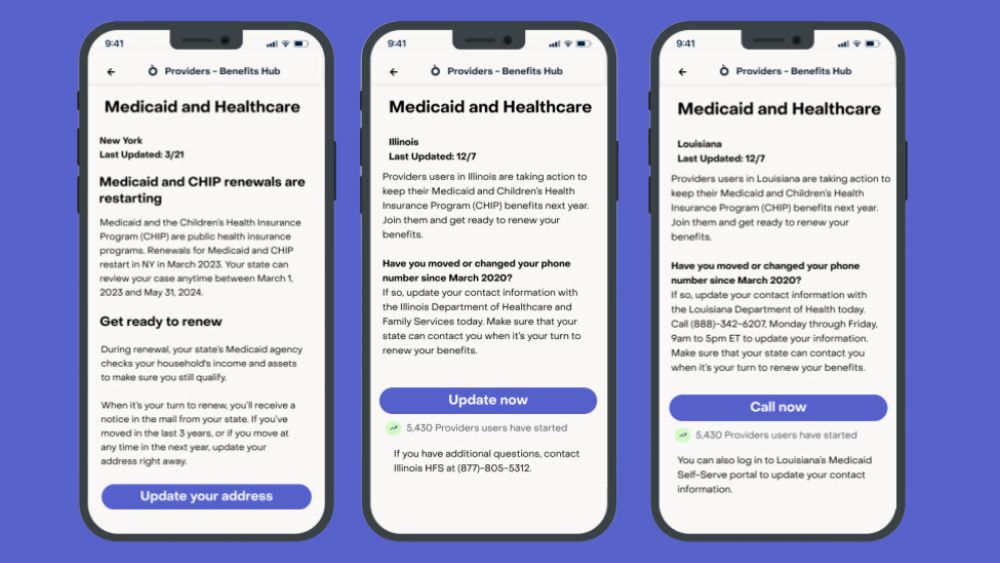
Propel describes how its mobile app outreach campaign helped millions of Medicaid enrollees navigate renewal during the post-pandemic “unwinding” by driving action through notifications, messaging, and in-app tools.
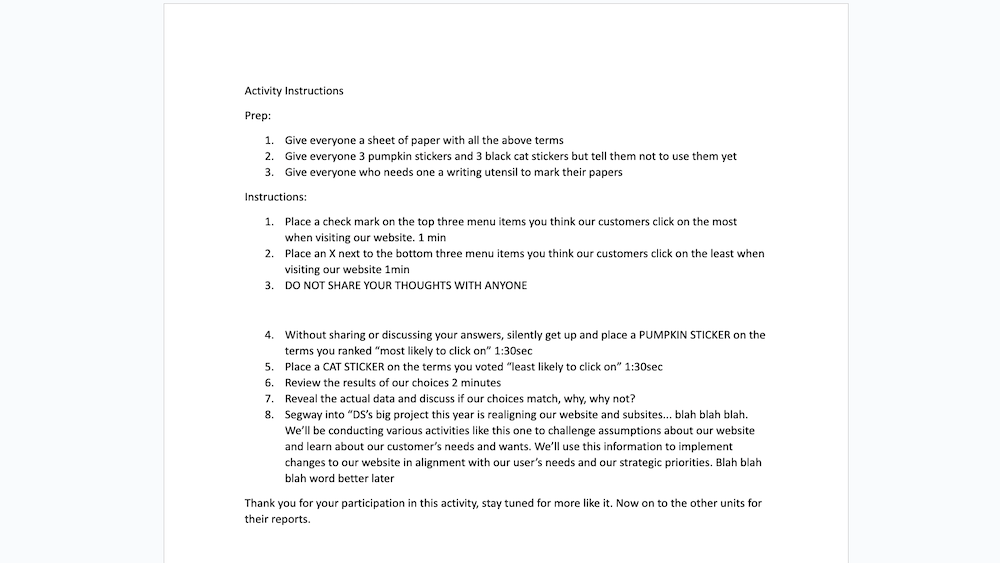
This exercise engages participants in selecting the most and least clicked website menu items by marking their choices with stickers, followed by a group review to compare assumptions with actual data.
Montgomery County Public Library (MCPL) Digital Strategies Team