This guide is intended to provide a general overview of the national statutory and regulatory landscape governing the legality of sending large volumes of text messages and sharing client information.
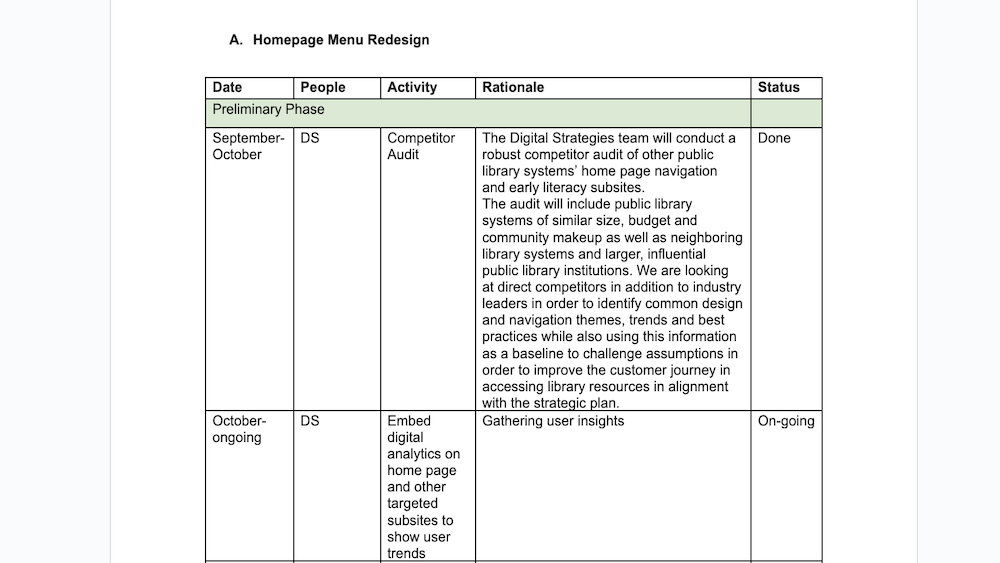
The Montgomery County Public Libraries (MCPL) website redesign plan outlines how to improve user access to resources through inclusive design and better navigation. It also shares goals of best practices in UX design with the public library community to promote digital equity. The project involves collaboration with the MCPL Digital Strategies Team and other partners, focusing on redesigning content for early literacy, teens, and children.
This report by EPIC investigates how automated decision-making (ADM) systems are used across Washington, D.C.’s public services and the resulting impacts on equity, privacy, and access to benefits.
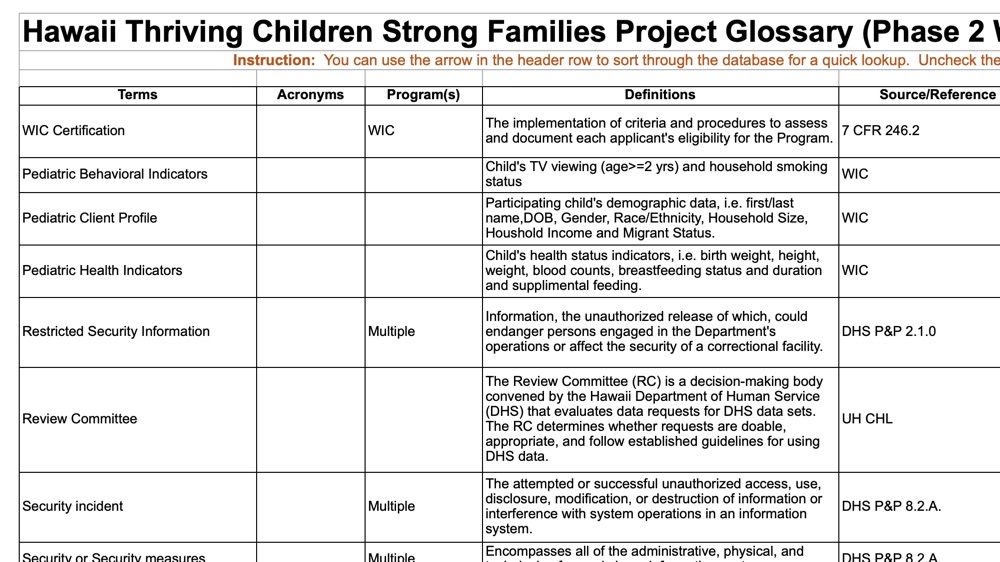
his document defines key terms, acronyms, and data elements used in Hawaii's SNAP and WIC data integration project to support cross-program collaboration and data standardization.
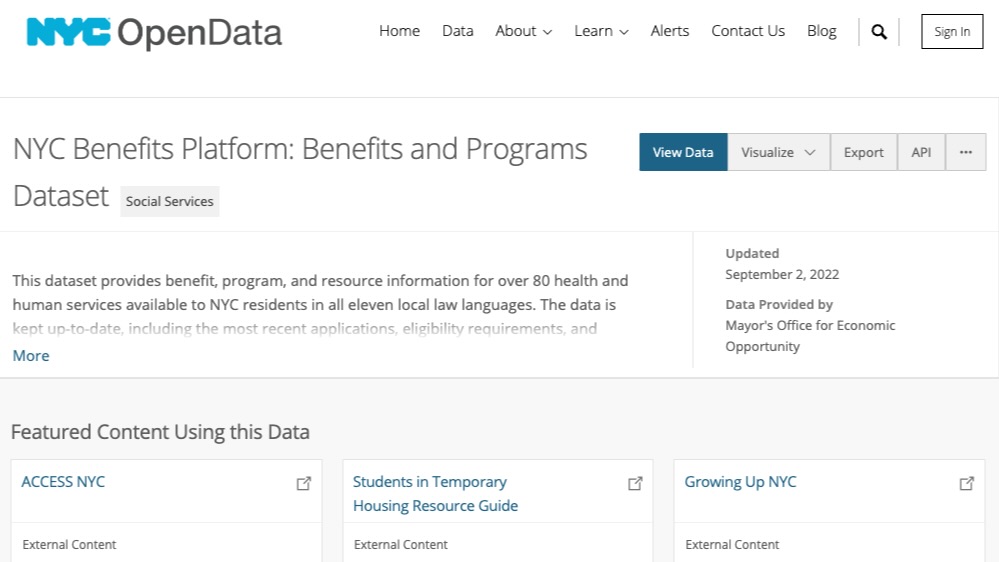
Data provided by the NYC Mayor’s Office for Economic Opportunity regarding benefit, program, and resource information for over 80 health and human services available to NYC residents in all eleven local law languages.
In this brief, they present a definition of HCD that is applicable to the context of human services delivery, differentiate HCD from similar design and problem-solving approaches, and describe how HCD is being used in human services.
U.S. Department of Health and Human Services (HHS)
This report from the Joint Financial Management Improvement Program outlines efforts to use identity verification to reduce improper payments in government programs, while mitigating bias and disparate impacts.
The Joint Financial Management Improvement Program (JFMIP)
This resource provides examples and practical guides that explain how to use existing regulations and data sharing agreements to transfer client information or eligibility status between benefit programs.
Usability tests can help teams develop products that are user-centered, accessible, and inclusive. This guide will help you conduct a successful usability test, from coordinating with participants to analyzing your findings.